

On the same weekend Melania Trump’s new biopic hit theaters, a loose coalition of Black TikTok creators quietly launched a different kind of premiere: a coordinated push to send Michelle Obama’s documentary “Becoming” back to the top of the Netflix charts. What started as a joke about doing “the funniest thing this weekend” quickly hardened into a cultural flex, turning streaming queues into a referendum on whose story viewers wanted to elevate. The result was less about box office bragging rights and more about who gets to define first lady legacy in the age of the algorithm.
Instead of arguing about Melania Trump’s film in the comments, these creators urged followers to simply change the channel and let the numbers speak. By rallying around “Becoming,” they framed the choice as a small but pointed act of digital protest, a way to answer a glossy political rollout with a reminder of Michelle Obama’s grounded, already beloved narrative.
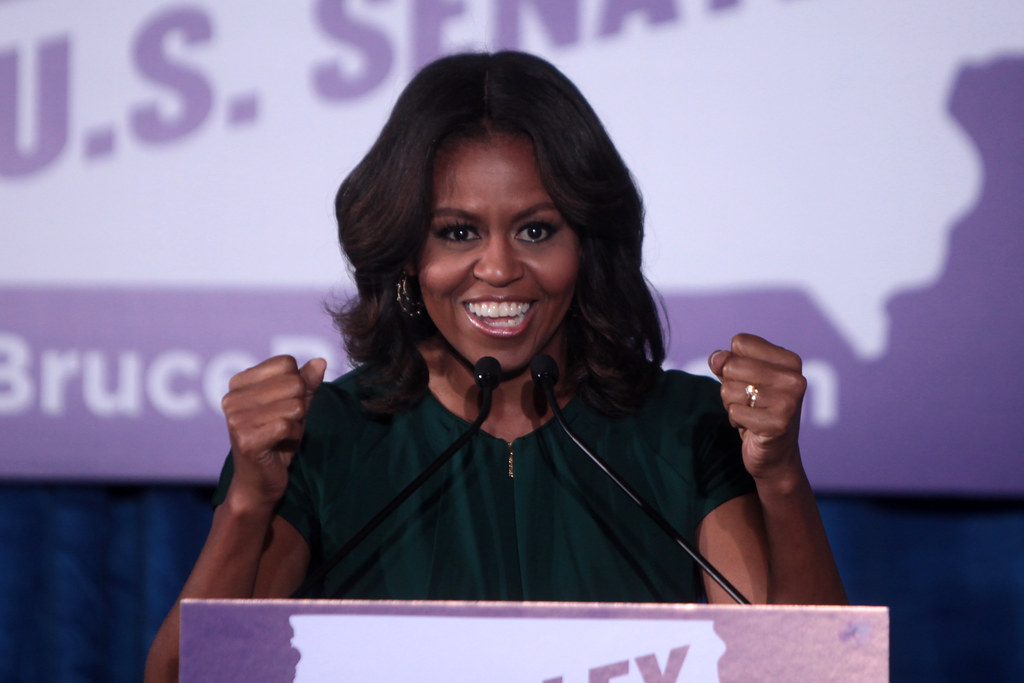
The TikTok call to action
The spark for the campaign came from Black TikTokers who saw Melania Trump’s movie arriving with heavy partisan promotion and decided to answer it with a bit of strategic pettiness. Their pitch was simple: if the right was hyping up Melania’s big-screen debut, then Black audiences and their allies could spend the same weekend streaming Michelle Obama’s “Becoming” on Netflix instead. Some Black creators framed it as a “cultural power move,” a way to turn opening weekend into a quiet showdown over which first lady’s story would dominate people’s screens, and they made it clear the goal was to push “Becoming” to the number one spot on the platform.
Reporting on the trend notes that Black TikTokers explicitly rallied “during Melania opening weekend” to boost Michelle Obama’s film, describing the effort as a deliberate counterweight to the former first lady’s movie rollout. Another account underscores that Some Black creators made it their mission to make “Becoming” the number one film on Netflix, explicitly tying their push to the same weekend Melania Trump’s movie arrived in theaters.
Viral clips, petty humor, and serious stakes
The campaign’s tone was intentionally light, even as the subtext was serious. In one widely shared Instagram Reel, a creator jokes that “we have the opportunity to do the funniest thing this weekend,” urging followers to stream Michelle Obama’s documentary instead of giving Melania Trump’s film their time. That clip, tagged with “#becomingmichelleobama,” racked up 356 interactions, a small but telling snapshot of how humor and peer pressure can move people to open Netflix and click on a different title.
Another creator leaned into the same vibe, asking viewers, “Wanna be petty with me?” before telling them to Stream Michelle Obama in “BECOMING” while Melania’s movie “sits” with a dismal Rotten Tomatoes score. That Reel, posted by mymanos.dotcom, drew 71 interactions and framed the whole thing as a playful race between two first ladies’ narratives. The joke landed because the stakes were obvious: one film was being pushed as part of a polished political rollout, while the other had already earned organic affection from viewers who saw their own lives reflected in Michelle Obama’s story.
Why “Becoming” still hits
Part of what made the TikTok push so sticky is that “Becoming” is not some obscure deep cut that needed rescuing. Michelle Obama’s documentary, adapted from her blockbuster memoir, has long been a staple on Netflix, where viewers can revisit her journey from a working class upbringing in Chicago to the White House. In a Facebook discussion about the film, one commenter describes “Becoming” as an intimate memoir that tracks her path from the South Side to becoming the first Black first lady, highlighting how the story is broken into sections like “Becoming Me,” “Becoming Us,” and “Becoming More,” each offering its own set of insights.
That same thread reminds readers that the documentary is tied to a book that can be borrowed from the library or downloaded on audio, with one user, Robert Hill, pointing out that it is available on Audible and Kindle for those who want to listen or read. The film’s staying power on Netflix, and its roots in a widely read memoir, gave Black TikTokers a ready made alternative to Melania Trump’s movie: a project that already had cultural weight and a built in fan base, not just a fresh marketing budget.
Melania’s movie and the contrast in reception
While Black creators were nudging followers toward “Becoming,” Melania Trump’s film was struggling to win over critics. Coverage of the TikTok campaign notes that Melania’s movie scored just a 10% on Rotten, a brutal number that quickly became part of the online punchline. That figure gave TikTokers an easy shorthand: instead of doomscrolling through bad reviews, they could just tell people to watch something they already knew was good.
The contrast extended beyond reviews to how each project was being pushed. While Republican allies encouraged supporters to show up for Melania at the box office, TikTok creators framed their “Becoming” push as a grassroots clapback against a slick, PR polished rollout. One analysis described the Melania film as part of a broader political branding effort, while the “Becoming” campaign was pitched as a way to reclaim that same weekend for a story that felt earned rather than manufactured. In that framing, every Netflix stream became a tiny vote for authenticity over spin.
Netflix queues as a political arena
What makes this moment feel different is how casually people are now treating their streaming habits as a form of political speech. When a creator like Leigh McGowan, known online as iampoliticsgirl, tells followers “Y’all know what to do. It’s on Netflix,” she is not just recommending a movie night. In her clip, shared in Jan, she tags “#becomingovermelania” and points viewers straight to Netflix, turning the platform’s recommendation engine into a kind of soft ballot box. The message is that you do not have to argue with strangers about Melania Trump’s film when you can quietly boost Michelle Obama’s instead.
That logic has spread beyond TikTok and Instagram into Facebook groups where people trade tips on how to watch or read “Becoming.” One post calls it an “inspiring story on Netflix” and reminds members that the documentary is also a book they can borrow or download, reinforcing how tightly the film and memoir are linked in the public imagination. For those who want to dig deeper, a quick search for Becoming pulls up the documentary and its source material side by side, while another search surfaces more background on Michelle Obama’s project and its reception. In that context, the TikTok push is less a one off stunt and more a sign of how easily viewers now weaponize their watchlists, turning a quiet night on the couch into a subtle but very public statement about whose stories deserve the spotlight.
More from Vinyl and Velvet:

Leave a Reply