

Sydney Sweeney has spent the past few years climbing from breakout talent to full‑blown Hollywood fixture, but lately the conversation around her has been less about her work and more about her supposed politics. After being branded “MAGA Barbie” online, the actor is now drawing a clear line, saying she is not interested in being turned into a partisan mascot and wants the focus back on her craft. Her message is simple and blunt: she is here to make art, not campaign speeches.
The backlash has collided with a moment when every red hat, denim ad, and Instagram caption gets read like a voting record. Sweeney is pushing back on that instinct, insisting that her job is to tell stories, not to serve as a proxy for anyone’s culture‑war fantasies. The fight over what she “really” believes has turned into a case study in how fast fandoms, critics, and political tribes can claim a celebrity as their own, whether that celebrity likes it or not.
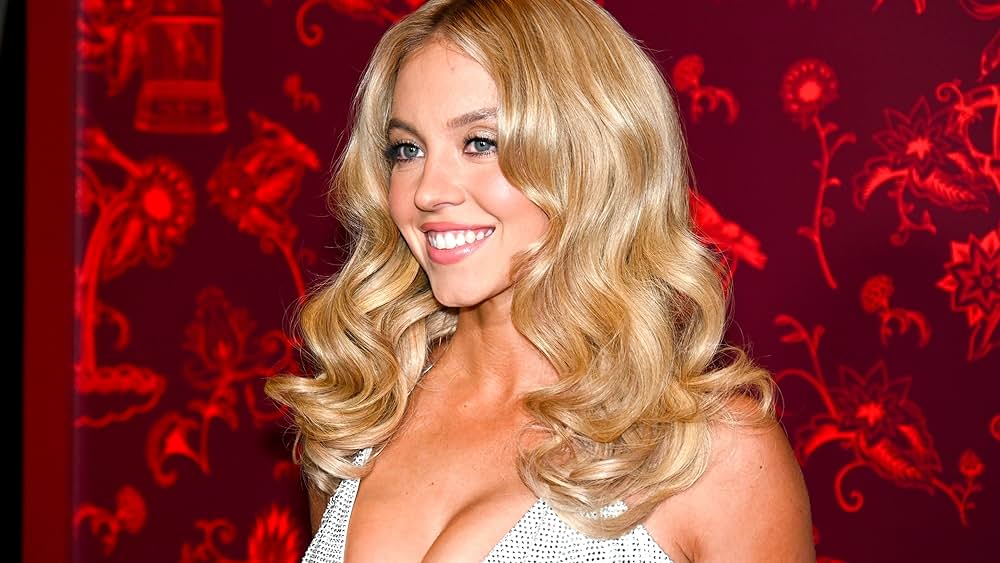
The “MAGA Barbie” label that would not die
The nickname “MAGA Barbie” attached itself to Sydney Sweeney after a wave of online commentary tried to fuse her blond bombshell image with assumptions about her politics. In interviews, she has been explicit that she has “never been here to talk about politics” and that she wants people to look at her performances instead of partisan projections, a point she underlined when she said she has always been here to “make art” and to highlight what brings people together rather than what divides them, as reflected in her comments about the MAGA Barbie nickname. She has framed the label as something imposed on her, not a persona she ever tried to cultivate.
That disconnect has only sharpened as the meme has spread. In one widely shared clip, Sydney Sweeney is pressed directly on the “MAGA Barbie” reputation and responds that she has “never been here to talk about politics,” repeating that she is focused on her roles and her creative choices rather than partisan branding, a stance captured in coverage of her MAGA Barbie reputation. The persistence of the nickname, despite those clarifications, shows how sticky a viral label can be once it fits neatly into an existing culture‑war script.
Backlash, American Eagle, and a political Rorschach test
The storm around Sydney Sweeney did not come out of nowhere. A controversial American Eagle campaign, with its patriotic styling and cheeky slogans, quickly became a political Rorschach test, with critics accusing the ads of flirting with MAGA aesthetics and supporters cheering the imagery as a kind of cultural statement, a reaction detailed in coverage of the American Eagle backlash. Sweeney, who fronted the campaign, suddenly found herself treated less like an actor for hire and more like a spokesperson for a movement she had never publicly endorsed.
She has since tried to reset that narrative, stressing that she is “in the arts” and that politics is “not an area” she ever imagined entering, even as she acknowledged the criticism and the way the ads were read by different audiences, a line she drew in follow‑up comments about her desire to focus on her. In a separate explanation of the American Eagle controversy, she addressed the backlash directly and clarified that she did not want to be anyone’s “pawn,” pushing back on the idea that a single denim ad should define her beliefs, a point she made while clarifying her views after the campaign.
Registered Republican, reluctant pundit
Fueling the discourse was the revelation that Sweeney is a registered Republican, a detail that instantly became a talking point for both her critics and her defenders. During the controversy, it emerged that Sweeney was on the Republican rolls, a fact that even drew President Donald Trump into the conversation when he said he liked Sweeney “even more” after learning it, a reaction reported as part of coverage of the Republican angle. Online, that registration status was quickly folded into the “MAGA Barbie” narrative, treated as proof that the meme matched reality.
But Sweeney has resisted that leap, insisting that party paperwork does not give anyone the right to script her public identity. In one widely circulated discussion thread, she was described as “Registered Republican Sydney Sweeney” while commenters dissected her refusal to spell out specific positions even as she addressed being called “MAGA Barbie” and reiterated that she was not interested in being pinned down as a partisan figure, a framing that surfaced in debate over Registered Republican Sydney. She has instead tried to redirect attention to her work, from “White Lotus” to “The Housemaid,” and to the idea that an artist can have private beliefs without turning every press tour into a policy seminar, a boundary she underscored in comments about her roles in White Lotus and “The Housemaid.”
“I know who I am”: reclaiming the narrative
As the noise grew louder, Sydney Sweeney started speaking more directly about how the discourse was affecting her sense of self. In a cover story for Cosmopolitan, she pushed back against fans and critics who tried to define her through the “MAGA Barbie” lens, saying she knows who she is and does not need strangers on the internet to tell her, a sentiment that was echoed when the “Euphoria” star was described as officially addressing the label and declaring, “I know who I am,” in coverage of her Cosmopolitan interview. That insistence on self‑definition has become a quiet throughline in her responses.
She has also tried to separate her personal life and past relationships from the political caricature. In another profile, Sweeney opened up about an earlier relationship and, in the same breath, addressed being called “MAGA Barbie” online, explaining that the nickname followed her after a controversial jeans ad and that it does not reflect who she is, a point she made while discussing how the label stuck to Sydney Sweeney. In another response to the online backlash, she again made it clear that politics are not part of her public brand, saying she has “never been here” for that and wants conversations that bring people together rather than widen divides, a message she shared while responding to the online backlash that labeled her “MAGA Barbie.”
Art, activism, and the pressure to pick a side
Underneath all of this is a bigger question about what audiences expect from celebrities in 2026. Sydney Sweeney has been clear that she sees herself first as an artist, not an activist, saying she is “in the arts” and that politics is not a lane she ever planned to enter, even as she acknowledges that people are hungry for public figures to take stands, a tension she described while explaining that she is not here to speak on politics. She has framed her work as a way to foster empathy and understanding, arguing that storytelling can do more to bridge divides than another round of partisan sniping.
At the same time, the culture around her keeps pulling in the opposite direction. Coverage of her comments has been packaged alongside stories about other artists, like Bad Bunny, who have used their platforms to slam ICE and urge people to “put love over hate” after major awards wins, a contrast that highlights how some stars lean into activism while others, like Sweeney, try to keep their focus on craft, as seen in the pairing of her remarks with pieces on Bad Bunny. Sweeney has said she wants to be seen as a model of women’s empowerment and not a “hateful person,” but she also does not want to be dragged into endless ideological fights, a nuance captured in analysis that noted she wants to be a women’s empowerment figure without becoming a full‑time pundit.
More from Vinyl and Velvet:

Leave a Reply