

Charli XCX has never really played by pop’s rulebook, and now she is applying that same energy to the question of whether she wants children. The singer has been unusually blunt that motherhood might not be for her, warning that having a baby could flip her life, and her art, in ways she is not sure she wants.
Instead of treating kids as an inevitable next step, Charli is talking openly about doubt, fear and curiosity, both in interviews and in her music. Her hesitation taps into a bigger cultural shift, where women are allowed to say out loud that they are not sure parenthood fits the life they are building.
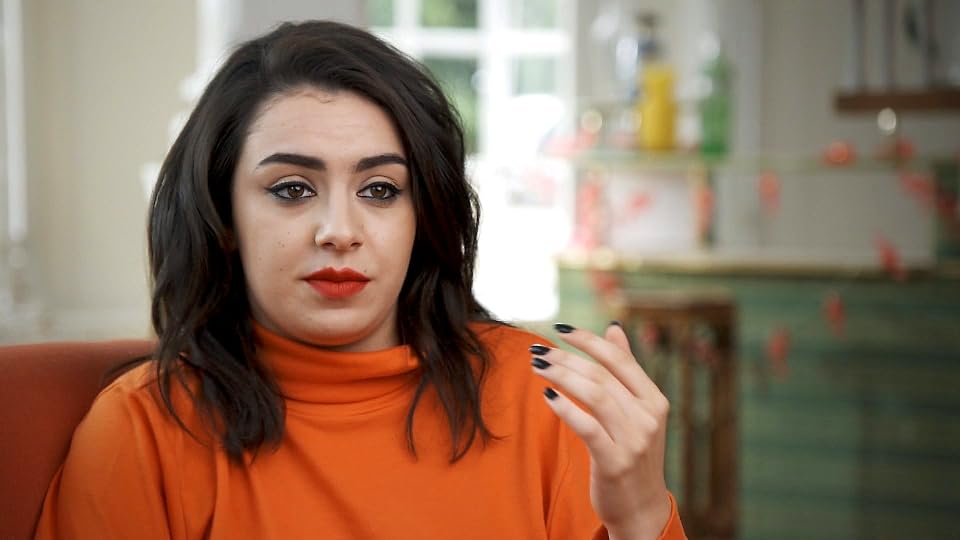
‘It could change everything’ is not just a throwaway line
When Charli sat down with actors Jason Bateman and his cohosts on their podcast, she did not give the usual vague answer about “someday” wanting a family. She said plainly that she does not think she wants kids, and that the idea of having a baby feels like something that could completely rearrange who she is and what she does. That sense of a life-altering fork in the road is what sits behind her comment that it “could change everything,” a phrase that lands less like drama and more like a sober assessment of what motherhood actually demands for someone whose career runs on late nights, touring and total creative immersion, as she has described in recent conversation.
Pressed by Jason Bateman on whether she could imagine having more than one child, Charli doubled down, saying she is not even convinced she wants one and that she is wary of assuming she will wake up one day with a sudden urge for motherhood. That pushback matters, because it cuts against the familiar script where women are expected to hedge with “never say never” even when they feel strongly. Her refusal to lean on that safety phrase, captured in the same exchange, is part of what makes her stance feel so bracing.
Motherhood vs. a life built around music
Charli has been clear that her hesitation is not about disliking children, it is about protecting a life that is already full. She has described her world as “really gigantic,” a mix of constant studio time, global touring and a tight creative circle that includes producer and partner George Daniel of The 1975, whom she first met while working on the track “Spinning.” In recent interviews she has said that dropping a baby into that ecosystem would not be a small tweak, it would be a total reconfiguration of how she works and who she can be on stage, a point she has underlined while talking about her relationship with George Daniel.
That sense of scale is why she keeps circling back to the idea that motherhood is “really gigantic,” not just another lifestyle choice to slot between album cycles. She has talked about how much of her identity is wrapped up in being in the studio at odd hours, chasing ideas in a way that does not easily coexist with the demands of a newborn. In one account of her comments, she framed the decision as choosing between the sprawling, unpredictable life she has now and a more anchored existence that would inevitably center a child, a tension that comes through in her remarks about her already “really gigantic” world.
How ‘Brat’ turned private doubts into pop lyrics
Charli’s ambivalence about kids is not just living in podcasts, it is baked into her latest album, Brat. Across the record she plays with the idea of being a “brat” as a kind of unruly, hyper-online femininity, a persona that thrives in what she has called a “hyperactive throwaway space” where women are allowed to be messy, selfish and unserious. Within that world, the question of whether to have children becomes another pressure point, and she has admitted that some of the crafted metaphors on the album are ways of circling topics she finds too raw to address head-on, even as she hints at them in her lyrics.
On one track she sings about wondering if a baby would give her life a new purpose, a line that mirrors the way she talks about motherhood off-mic. She has said she thinks about the question “all the time,” weighing whether a child would deepen her sense of meaning or simply crowd out the parts of herself she values most. That tension between craving purpose and fearing loss of self is echoed in coverage of Brat that zeroes in on how the album asks, “Should I have kids or not?” and treats that as a central emotional thread rather than a throwaway lyric.
Feeling like a kid, while being asked to have one
Part of Charli’s reluctance comes from the fact that, at 31, she still feels like she is figuring herself out. She has said she often feels “like a kid” in her own life, which makes the idea of suddenly becoming responsible for another human being feel almost surreal. In one interview she contrasted her resistance to “centuries of indoctrination” around women and motherhood with the reality that she does, genuinely, think about babies and what they might mean for her future, a contradiction she has been open about while discussing how she still feels like a kid herself.
She has also framed the decision as something she cannot leave to chance. Rather than assuming fate will decide, she has talked about needing to make a conscious call on whether she wants to be a parent, and accepting that not choosing is, in itself, a choice. That mindset shows up in commentary on Brat that notes how she wonders if a baby would give her life a new purpose, then admits she cannot just leave that question “up to chance, to fate,” a line that captures her sense that this is one decision she has to own, as reflected in analysis of her lyrics about whether a child would give her life a new purpose.
Challenging what it means to be a “real” woman
Charli has been unusually direct about the gendered expectations wrapped up in motherhood. In one widely shared clip from an interview, she asks if she is “less of a woman” if she does not have kids, a question that lands with extra weight coming from someone whose public image is already pushing against traditional femininity. She has talked about how the “brat” persona is a response to those pressures, a way of embracing a version of womanhood that is loud, online and unapologetically self-focused, even as she quietly wonders in conversations with interviewers whether opting out of motherhood will change how she is seen.
Her comments have resonated enough that short clips of her talking about motherhood and pregnancy have been shared widely on social media, framed as a pop star saying the quiet part out loud. In one such post, she is highlighted for opening up about her thoughts on motherhood in an interview, with captions that underline how she is questioning whether having children should be treated as a default expectation for women in the public eye. That moment, captured in a viral clip, shows how her private doubts have become part of a broader conversation about what counts as a “real” woman’s life.
More from Vinyl and Velvet:

Leave a Reply