

Former CNN anchor Don Lemon walked out of a Los Angeles courthouse sounding less like a defendant and more like a man launching a campaign. After a whirlwind arrest tied to an anti-ICE church protest in Minnesota and a night in federal custody, he stepped up to microphones and declared that he “will not be silenced,” framing his case as a test of press freedom and protest rights. The clash between his defiant tone and the serious civil rights charges he faces is already turning a single arrest into a national argument about how far the government can go when journalists cover disruptive demonstrations.
Lemon’s message is simple and blunt: he insists he was doing his job, and he is not about to apologize for it. Federal prosecutors, on the other hand, are treating his presence at a Minnesota church protest as a potential crime scene, not a news assignment. Caught in the middle is a familiar American fault line, where the First Amendment, law enforcement, and high-profile personalities collide in full public view.
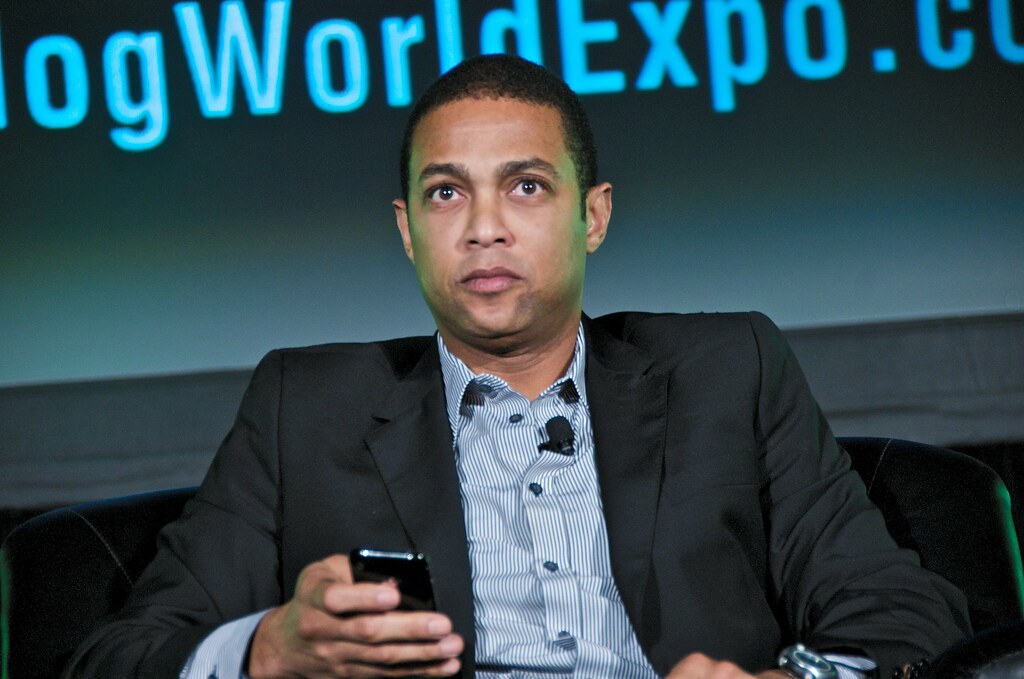
The arrest that jolted Los Angeles
The chain of events that landed Lemon in handcuffs started far from Hollywood, at a church service in Minnesota where immigration policy and religion collided. Federal authorities say the former primetime host was part of a protest at a Minnesota church where one of the pastors is an ICE official, and that his conduct crossed the line from observation into alleged interference with worship, according to charging details cited in CBS. The indictment alleges that Lemon attended a briefing by protesters ahead of the event and openly described the upcoming protest as a “direct action,” a characterization that federal officials now point to as evidence of intent, as outlined in a separate indictment.
By the time agents moved in, Lemon was back in California, in town to cover the Grammy Awards and staying in Beverly Hills. He was arrested after 11 p.m. local time in a hotel lobby in Beverly Hills while in Los Angeles for Grammy coverage, a late-night scene described in a detailed custody report. Another account notes that Lemon was in L.A. to cover the Grammy Awards and that the arrest unfolded in a Beverly Hills hotel lobby, tying the glitzy awards weekend directly to the fallout from the Minnesota church protest at the center of the case, as laid out in a related summary.
From custody to a courthouse microphone
Once in federal hands, Lemon’s case moved quickly from backroom processing to front-page spectacle. Journalist Don Lemon was released from custody without bail following his court appearance in Los Angeles, where he was formally presented with federal civil rights charges that include an alleged violation of the FACE Act, according to a video account that described how, on Friday, Former CNN host Don Lemon walked out of a Los Angeles courthouse after facing accusations tied to the Minnesota protest, as seen in a court clip. Another report notes that Journalist Don Lemon was arrested overnight in Los Angeles on Friday, underscoring how quickly the case moved from a quiet custody situation to a public hearing, as described in a separate update.
Conditions on his release were strict, even if he did not have to post money to walk free. Lemon was released on his own recognizance, and his defense attorneys agreed that he would have no contact with known witnesses, victims, or others tied to the case, a key detail in a release filing. A separate account from Los Angeles notes that Journalist Don Lemon was released from custody Friday after he was arrested and hit with federal civil rights charges, setting the stage for his courthouse comments and signaling that the government is treating the Minnesota protest as a serious test of federal law, as described in a Los Angeles report.
“I will not be silenced”: Lemon’s defiant message
Once outside the courthouse, Lemon wasted no time turning his legal ordeal into a broader argument about journalism and dissent. Speaking to a scrum of cameras and microphones, he declared, “I will not be silenced. I look forward to my day in court,” a line captured in a video of him speaking outside a Los Angeles courtroom Friday after he was released, where he framed the charges as an attack on his work covering federal civil rights issues, as seen in a courthouse video. Another account describes how a defiant Don Lemon told a scrum of reporters after his release that he “Will Not Be Silenced,” even as Mayor Karen Bass left a Little Tokyo courthouse nearby, underscoring how his comments landed in the middle of a broader civic conversation about policing and protest in Los Angeles, as detailed in a Little Tokyo account.
Lemon has also tried to anchor his defense in constitutional language, not just personal outrage. In a written statement, he argued that The First Amendment of the Constitution protects the work he was doing at the Minnesota church and that he stands with other journalists who challenge powerful institutions, a point he made while insisting he would continue to report on immigration and civil rights, as quoted in a statement summary. Another entertainment-focused account, written by Dan Clarendon for TV Insider, notes that after being arrested in Los Angeles following the anti-ICE protest, Lemon reiterated that he would keep speaking out and that his work in St. Paul, Minnesota, was part of a broader pattern of covering immigration enforcement, as described in a TV recap.
Press freedom, protest rights, and the 1st Amendment fight
Behind the sound bites is a serious legal and political fight over where protest ends and crime begins, especially when cameras are rolling. The arrest of ex-CNN anchor Don Lemon in Beverly Hills has already raised 1st Amendment concerns, with critics arguing that charging a journalist over coverage of a protest at a church risks chilling both press scrutiny and public dissent, a tension highlighted in a detailed piece on the Arrest of CNN Don Lemon in Beverly Hills that explicitly flags Amendment issues, as laid out in a California analysis. Another report notes that Lemon was at the Minnesota protest as an independent journalist and that he had posted video to his Instagram on Jan. 18 showing the church and the planned action, a detail that his supporters say underscores that he was documenting events, not orchestrating them, as described in a protest account.
Federal officials, however, are leaning on the FACE Act and other civil rights statutes to argue that the Minnesota church service deserved special protection, and that anyone who helped plan or encourage a disruptive protest could be held liable. The indictment alleges that Lemon attended a briefing by protesters ahead of the event and that he openly characterized the upcoming protest as a “direct action,” a phrase prosecutors say shows he was not just a passive observer, as spelled out in the indictment summary. A separate video segment titled “What happened in Beverly Hills before Don Lemon got arrested” walks through how, now at 4:30, Don Lemon was released from federal custody and how the former CNN anchor left the courthouse in downtown LA just about an hour earlier, underscoring how quickly a legal argument about the FACE Act turned into a televised debate about press freedom, as seen in a Beverly Hills recap.
More from Vinyl and Velvet:

Leave a Reply