

Kanye West is trying to reset the narrative in the most Kanye way possible, by buying a full page in one of the country’s most powerful newspapers and filling it with an apology. In a letter published as an ad in The Wall Street Journal, the rapper now known as Ye says he is sorry for a long stretch of antisemitic outbursts and admits he “lost touch with reality,” tying that period to bipolar disorder and past injury. The move lands after years of escalating behavior that cost him business deals, fans, and credibility, and it raises a familiar question around him: what does accountability look like when the harm is this public and this deep.
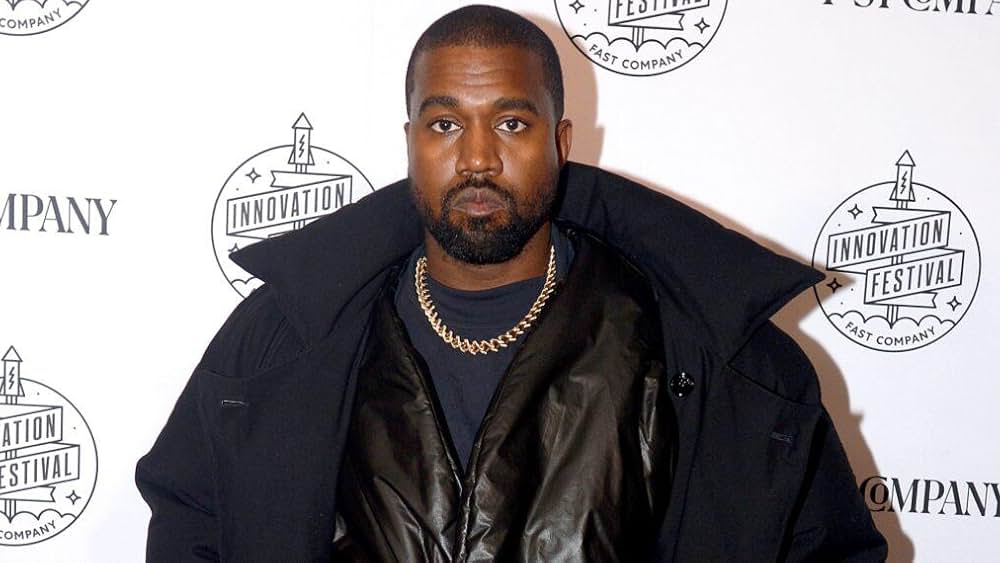
The full-page apology and what Ye says went wrong
The apology arrived as a splashy, old-school gesture, a full-page letter in The Wall Street Journal that Ye, formerly Kanye West, paid for himself. In the ad, he addresses Jewish readers directly and extends the message to the Black community, acknowledging that his words and stunts did real damage to both groups and to his own sense of self. Posts highlighting the ad describe American rapper and record producer Ye, formerly known as Kanye West, taking out a full-page advertisement in the Wall Street Journal to apologize to Jewish and Black communities for his actions. Another breakdown of the letter notes that he frames the ad as a public reckoning rather than a marketing play, saying it is not about reviving his career but about confronting what he now calls a manic, destructive period.
In the text, Ye leans heavily on mental health language, describing years of untreated bipolar disorder and a 2002 crash that left him with a brain injury, which he now links to the way his thinking spiraled. Coverage of the letter points out that Kanye West connects his antisemitic behavior to that injury, saying the damage went undiagnosed for years. Another report on the apology notes that he explicitly frames the rants as the product of bipolar disorder, with one summary quoting the line that he “lost touch with reality” and felt detached from his true self, a theme echoed in a piece titled Kanye West Apologizes that highlights his claim he had “Lost Touch” with “Reality.” A separate recap of the ad stresses that Ye calls his past comments “reckless” and says he is not an antisemite, a point reflected in coverage of the Ye Wall Street letter and in reports that Ye, formerly Kanye West, apologized for “reckless” antisemitic comments in The Wall Street Journal.
Years of antisemitic behavior and the fallout he is trying to answer for
The letter is not arriving in a vacuum, it is landing after a long, ugly run that turned Ye from boundary-pushing provocateur into a case study in how far a superstar can fall. Earlier coverage tracks how, after his initial antisemitic posts, he doubled down by selling T-shirts with swastikas and releasing a song that again invoked Nazi imagery, behavior detailed in a piece on how In the following months his antisemitic behavior escalated. Another account of his apology notes that West also apologized to the Black community and reminds readers that he previously suggested slavery was “a choice” and wore a T-shirt with a slogan that outraged many Black fans, details laid out in a report on how West took out a full-page ad apologising for antisemitic behaviour and addressing the Black community. Posts amplifying the new apology also point back to how US rapper and record producer Ye, formerly known as Kayne West, had already become a flashpoint for antisemitism debates long before this ad.
The professional cost of that spiral has been massive, and Ye seems to know it. Social media commentary around the ad notes that Ye, also known as Kanye West, sponsored a full-page ad after the termination of major business partnerships, a reminder that brands fled as his rhetoric hardened. Another post, tagged with US rapper and record producer language, frames the apology as a late attempt to repair a reputation that once made him one of music’s most influential figures. A separate breakdown of the ad stresses that Rapper Ye, a.k.a. Kanye West, expressed regret for antisemitic behavior in a Wall Street Journal advertisement, while another recap of the same letter notes that Kanye West is now being covered primarily in CELEBRITIES news sections for his apologies rather than his music. One Instagram explainer adds that Ye, fka Kanye West, directly tells Jewish readers “I love Jewish people” and closes with “I love us,” a line also highlighted in a local TV write-up that quotes him saying he is committed to accountability, treatment, and meaningful change and that he regrets how long he ignored the problem, language echoed in a piece noting that Kanye West apologizes for antisemitic rants caused by bipolar disorder.
More from Vinyl and Velvet:

Leave a Reply