

A new Netflix true crime documentary has rocketed out of nowhere and piled up more than 4 million views in a single night, instantly muscling into the platform’s global elite. The film revisits one of the most haunting abduction cases in recent American memory, and viewers are clearly responding, pushing it into the same rarefied space as Netflix’s buzziest thrillers and prestige dramas. The overnight surge is not just a streaming flex, it is a sign of how deeply this story still cuts more than two decades after the crime itself.
Netflix has spent the past few years turning real-world horror into appointment viewing, but this latest release hits a different nerve, blending survivor testimony, archival footage, and a case that many viewers thought they already knew. The result is a documentary that is dominating watch lists, reshaping the true crime conversation, and reminding the industry that a single, well told story can still grab the entire internet’s attention at once.
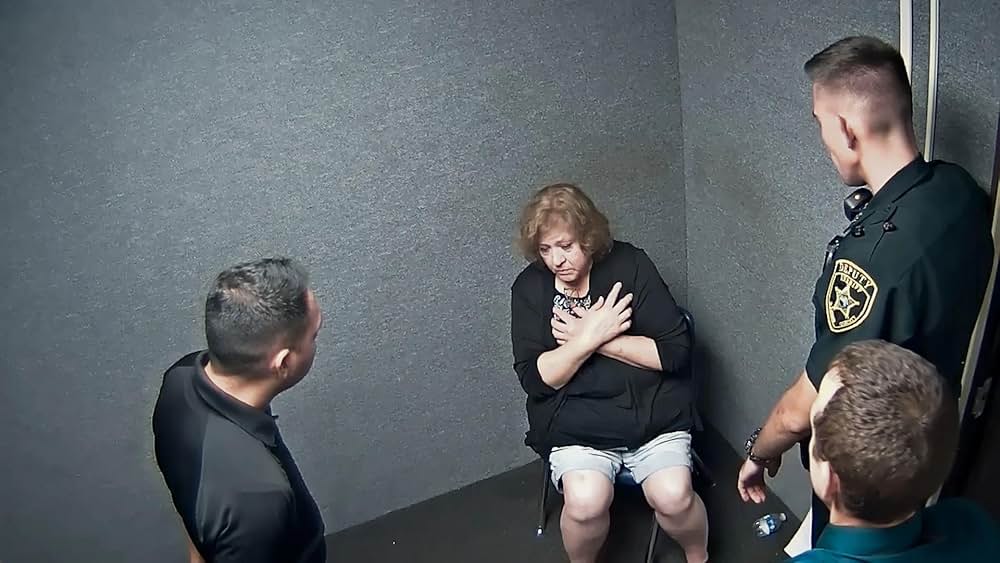
The overnight breakout that stunned Netflix
The new film’s breakout moment started quietly, with Netflix dropping the documentary into its January slate and letting word of mouth do the heavy lifting. Within hours, that strategy paid off, as the movie surged past 4 million views overnight and planted itself among the most watched titles on the service. Reporting on the streamer’s internal data describes it as a new true crime dramatization that is “taking Netflix by storm,” with millions of people pressing play in the span of just a few days and propelling it rapidly up the platform’s Top rankings.
That kind of instant traction is rare even in the age of binge culture, where new series and films drop every week and disappear just as quickly. Here, the opposite happened: the documentary’s audience snowballed in real time, with more than 4 million views logged almost immediately and the number still climbing as it settled into the global charts. Coverage of the launch frames it as a breakout that caught even seasoned Netflix watchers off guard, a reminder that when a story hits the right mix of shock, empathy, and curiosity, viewers will clear their schedules and show up in massive numbers for a single title.
Revisiting the Elizabeth Smart case for a new generation
At the center of the frenzy is “Kidnapped: Elizabeth Smart,” a feature length documentary that returns to the 2002 abduction of 14 year old Elizabeth Smart from her bedroom at knifepoint. The film walks through the night she was taken, the months she was held captive, and the extraordinary circumstances that led to her survival and rescue, positioning her ordeal as both a personal nightmare and a national fixation. Netflix’s own description highlights how Kidnapped traces the investigation and the suspects who came under scrutiny as the case unfolded.
The documentary is not just a procedural recap, it is a chance for Elizabeth Smart to reclaim the narrative around what happened to her. The film leans on her perspective, revisiting the trauma with the clarity of hindsight and the authority of someone who has spent years speaking publicly about kidnapping, abuse, and recovery. Search listings for Elizabeth Smart underscore how deeply her story is embedded in the public record, and the film taps into that history while still feeling urgent for viewers who were too young to remember the original coverage.
How Netflix framed “Kidnapped: Elizabeth Smart” in its January slate
Netflix did not bury the documentary in a crowded release calendar, it gave “Kidnapped: Elizabeth Smart” a clear spotlight in its January lineup. The film arrived as part of the streamer’s early year push, positioned alongside buzzy dramas and returning series but singled out in promotional materials as a major true crime event. In its own preview of what was coming to the platform, Netflix flagged Kidnapped: Elizabeth Smart as a key documentary title, emphasizing the abduction at knifepoint, the 2002 timeline, and the way the investigation into suspects unfolds on screen.
That framing matters because it sets expectations for viewers who have been trained to treat Netflix’s monthly slates as a kind of curated menu. By calling out the film’s focus on Elizabeth Smart’s survival story and the mechanics of the case, the platform signaled that this was not just another crime doc, it was a flagship release. The strategy mirrors how Netflix has handled other high profile nonfiction projects, but the difference here is the built in recognition of the Smart case, which gave the documentary a head start with audiences who already knew the broad strokes and were ready to see them reexamined in detail.
From American tragedy to global streaming hit
What started as a deeply American story has now become a global streaming phenomenon. Coverage of the film’s performance notes that “Kidnapped: Elizabeth Smart Is a Massive Global Hit on Netflix,” with the documentary climbing to the second spot worldwide among all movies on the service. Reports on its rollout explain that On January 21, Netflix released the true crime documentary and quickly saw it become one of the most watched films in multiple regions, not just in the United States.
The international response underlines how streaming has flattened the geography of true crime. A case that originally dominated American cable news is now being discovered by viewers in Europe, Latin America, and Asia who may have only a passing familiarity with Elizabeth Smart’s name. The film’s climb to a Massive Global Hit spot on Netflix’s charts shows that the emotional core of the story, a teenager taken from her home and fighting to survive, translates across borders even when the legal and cultural context is specific to the United States.
True crime momentum: Netflix’s recent track record
The success of “Kidnapped: Elizabeth Smart” did not happen in a vacuum, it landed on a platform that has been steadily priming audiences for more true crime. Earlier in the winter, viewers flocked to “Evil Influencer: The Jodi Hildebrandt Story,” a documentary that explores the crimes of Jodi Hildebrandt and the fallout from her online persona. Netflix’s own rankings show that Evil Influencer quickly landed in the Top 10, signaling that subscribers were already in the mood for dark, real world stories before Elizabeth Smart’s case arrived.
That earlier wave of interest set the stage for the new documentary’s overnight explosion. By the time “Kidnapped: Elizabeth Smart” hit the service, Netflix had already trained its audience to expect high production value, emotionally charged true crime projects that dig into both the perpetrators and the survivors. The platform’s December and January charts, which featured titles like Jodi Hildebrandt Story, created a pipeline of viewers who were primed to click on another real life case the moment it appeared on their home screens.
Why Elizabeth Smart’s story still hits so hard
Part of what makes the new documentary so potent is that Elizabeth Smart’s story never really left the public consciousness. She was 14 when she was taken from her bed at knifepoint, and the details of her captivity and eventual rescue have been dissected in books, interviews, and earlier television projects. Search results for Kidnapped: Elizabeth Smart show how extensively her case has been documented, yet the Netflix film still manages to feel raw, in part because it centers her voice and her present day reflections rather than treating her as a symbol.
The documentary also taps into broader anxieties about safety, family, and the limits of law enforcement. Viewers who were children or teenagers themselves in 2002 remember the case as a kind of worst case scenario that haunted sleepovers and suburban neighborhoods, and younger audiences are encountering it now as a cautionary tale that feels uncomfortably plausible. By revisiting the crime with new interviews and a more deliberate focus on Elizabeth Smart’s resilience, the film invites people to process that fear and anger in a more nuanced way, which helps explain why so many have rushed to watch it as soon as it appeared in their queue.
Audience reaction: from “shaking” to deeply moved
The social media response to the documentary has been intense, with viewers describing themselves as shaken, furious, and unexpectedly emotional by the time the credits roll. That reaction fits into a pattern that has been building around Netflix’s true crime output, where audiences are not just passively consuming these stories but actively processing them online. Earlier in the month, a separate documentary about Jodi Hildebrandt left Netflix fans “shaking” as they watched the horrifying details of the case and the lengthy prison sentences handed down for the crimes.
“Kidnapped: Elizabeth Smart” is provoking a similar wave of visceral responses, but with an added layer of admiration for Smart’s composure and advocacy. Many viewers are coming away from the film not just horrified by what she endured, but inspired by the way she has turned her experience into a platform for education and reform. That mix of outrage and respect is a powerful driver of word of mouth, and it helps explain how the documentary could rack up more than 4 million views overnight as people urged friends and family to watch and then talk about it.
Critics, creators, and the craft behind the documentary
While the audience numbers tell one story, the critical response adds another layer, focusing on how the documentary is put together. Early reviews have highlighted the film’s pacing, its use of archival footage, and its willingness to sit with uncomfortable details without veering into exploitation. One video review from Ramascreen walks through the structure of the Netflix documentary, describing how it balances the procedural aspects of the investigation with Elizabeth Smart’s own narration and presence on camera.
That balance is crucial in a genre that is often criticized for turning real suffering into entertainment. By foregrounding Smart’s agency and giving her space to frame the story in her own words, the filmmakers push back against some of the more voyeuristic tendencies of true crime. The craft choices, from the way interviews are lit to the decision to linger on quiet moments rather than just sensational revelations, help the documentary feel more like a collaboration with its subject than a detached retelling. Critics have noted that this approach is part of what makes the film feel fresh even for viewers who thought they had already seen every angle of the case.
What the 4 million view surge means for Netflix and true crime
The overnight surge past 4 million views is more than a bragging right for Netflix, it is a data point that will shape what the platform greenlights next. Executives now have proof that there is still enormous appetite for carefully made, survivor led true crime stories that revisit high profile cases with new depth. Internal performance snapshots already framed the new dramatization as an Instant Hit With 4 million views, and that kind of language tends to echo in future programming decisions.
For the broader true crime ecosystem, the film’s success reinforces a shift toward centering survivors rather than glorifying perpetrators. “Kidnapped: Elizabeth Smart” shows that audiences will show up in huge numbers for a story that is harrowing but ultimately grounded in resilience, especially when the person who lived it is the one guiding the narrative. As Netflix weighs its next wave of documentaries and dramatizations, the message from viewers is clear: if the storytelling is respectful, the reporting is rigorous, and the subject is given control, they are more than willing to make a single film the thing everyone is talking about the next morning.
More from Vinyl and Velvet:

Leave a Reply