

The story of a rising NFL star accused of arranging a hit on his pregnant girlfriend after she refused an abortion still lands like a gut punch. It is a case where fame, fear and control collided with lethal consequences, leaving a child to grow up in the shadow of a crime that shocked the league and the country. Long after the prison gates opened for Rae Carruth, the questions his actions raised about power, responsibility and violence around pregnancy have not gone anywhere.
At its core, this is the story of a Carolina Panthers wide receiver who, according to court findings, chose a murder plot over co‑parenting. The fallout has stretched from the night bullets tore through Cherica Adams’ car to the slow, public reckoning with what it means when an NFL player uses his status to try to erase a woman and an unborn child from his life.
The night an NFL career crossed a line
By the late 1990s, Rae Carruth had what a lot of young players dream about: a spot in the NFL, money, and the kind of local celebrity that comes with catching passes on Sundays. Off the field, he was involved with Cherica Adams, who became pregnant and chose to continue the pregnancy despite pressure to end it. Reporting on the case has long tied the eventual shooting to that decision, describing how Carruth reacted when Adams refused to have an abortion and carried the baby anyway.
What unfolded next was not a moment of rage but a plan. Investigators later detailed how Carruth used his access and influence to set up a situation where Adams would be vulnerable on the road, then relied on others to pull the trigger. The contrast between the polished image of a professional athlete and the reality of a murder plot built around a woman’s pregnancy is part of why this case still gets referenced whenever people talk about violence against partners who will not terminate a pregnancy.
From Panthers standout to murder-for-hire architect
On the field, Carruth had been a promising wide receiver for the Carolina Panthers, a player whose speed and route running had earned him a first round pick and a starting role. Away from the stadium, prosecutors said he was orchestrating a murder-for-hire scheme that turned a routine drive home into an ambush. In 1999, accounts of the case describe how he arranged for another car to pull alongside Adams’ vehicle and open fire, a calculated move that left her critically wounded while she was still pregnant.
Those same accounts identify Cherica as the pregnant girlfriend who became the target of that plot, a woman who had been seeing Carruth and was expecting his child when the shooting happened. The idea that a player trusted to run precise routes and read defenses would instead map out a killing, using his own car to box in Adams before the gunman struck, has become one of the most chilling chapters in Panthers history and in the broader story of crime connected to professional football.
The role of Van Brett Watkins and the hit itself
The man who actually pulled the trigger, Van Brett Watkins, became a central figure in explaining how the plot moved from talk to action. Watkins was described in court as the hired gun who carried out the shooting after being recruited to help get rid of Adams and the unborn child. His testimony and later interviews painted a picture of a man who understood exactly what he had been asked to do and why, and who ultimately tied Carruth directly to the decision to use bullets to solve a personal problem.
Watkins spent the rest of his life behind bars for his part in the attack, and his story did not end until he died on Dec. 3 at age 63, according to prisoner records from the state Department of Adult Correction. That detail, coming years after the trial, underscored how long the consequences of one night’s violence can echo, not just for the victim’s family but for everyone who agreed to be part of the plan.
Cherica Adams’ final hours and her son’s survival
What makes this case even more haunting is that Cherica Adams did not die immediately. She managed to call 911 after being shot, describing how a car had pulled up beside her and opened fire while she followed Carruth’s vehicle. Those final hours, as she fought for her life and tried to explain what had happened, became crucial evidence and a heartbreaking record of a woman trying to protect her unborn child even as her own body was failing.
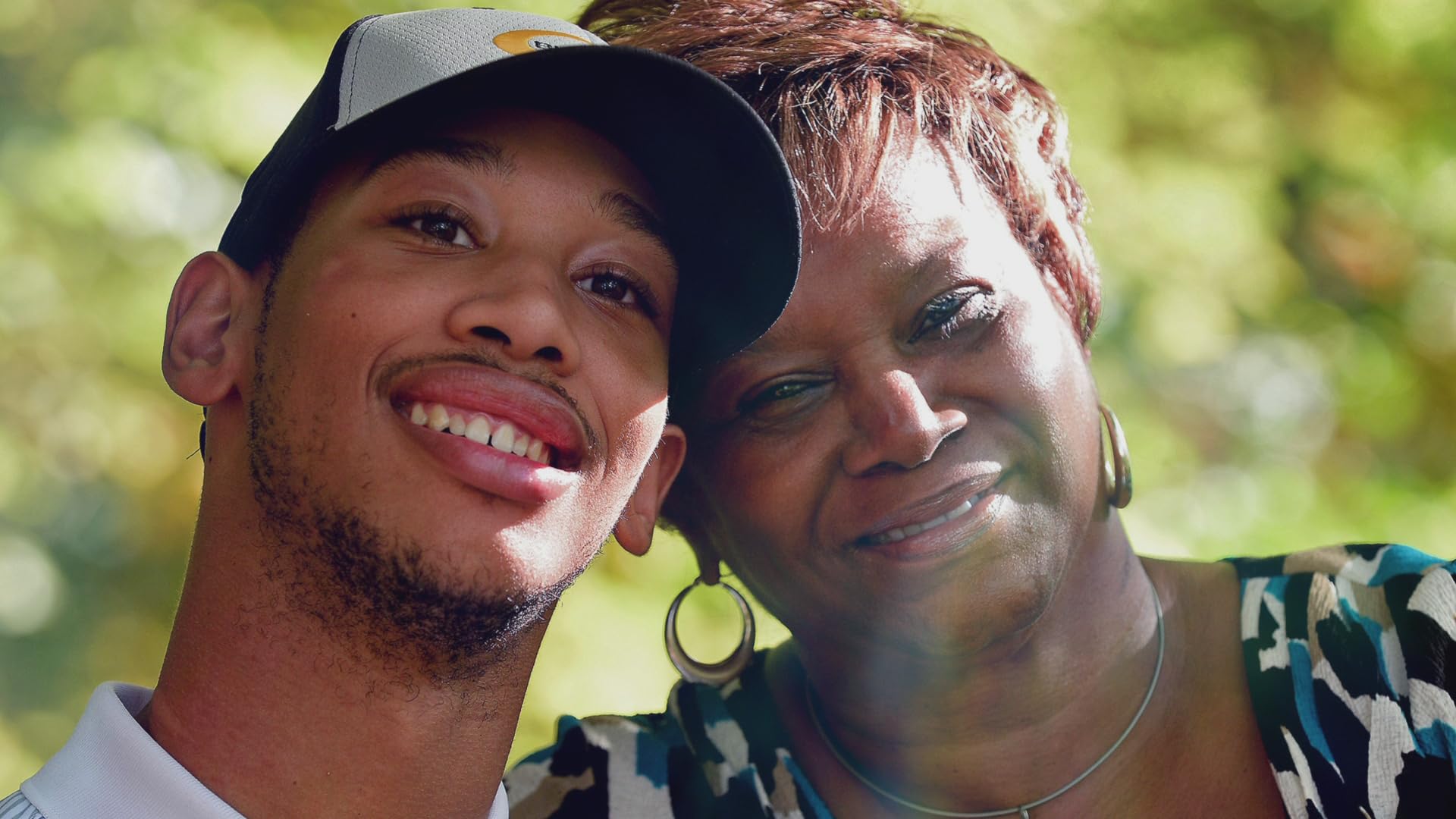
The baby, Chancellor Lee Adams, survived after an emergency delivery, but he was born with permanent injuries linked to the trauma of the shooting and the lack of oxygen before birth. Over time, he was raised by Adams’ mother, who stepped in when both parents were gone, one dead and one in prison. The image of Chancellor Lee growing up with visible disabilities, yet still appearing at public events and in coverage of the case, has become a living reminder of what Carruth’s choices cost a child who had no say in any of it.
The trial, conviction and nearly two decades behind bars
Once the plot unraveled, the legal system moved in. Carruth was eventually convicted of charges tied to conspiring to kill his pregnant girlfriend, a verdict that ended his NFL career and sent him to prison for what turned into nearly two decades. The case laid out how he had used his position as a professional athlete to try to control Adams’ pregnancy, and when that failed, to eliminate her entirely, a narrative that jurors heard in detail from witnesses and accomplices.
He served almost 19 years behind bars, a span that effectively erased his time as an NFL player and replaced it with the label of convicted felon. For a league that constantly markets redemption arcs and second chances, the length and nature of Carruth’s sentence stood out, signaling that some acts sit outside the usual script of comeback stories and locker room forgiveness.
Release day and life after prison
When Carruth finally walked out of prison, it happened on a Monday morning that drew cameras and questions about what kind of life a former star could build after such a notorious crime. Coverage at the time noted that the ex‑receiver had been released after nearly 20 years locked up on charges stemming from the plot against Adams, a milestone that closed one chapter of the case while opening another. The man who had once been known for his yards after catch was now better known for a murder conspiracy and a long prison record.
Reports on that day highlighted how Monday marked the end of a sentence that had kept him away from his son and from the sport that once defined him. There were no parades or team statements waiting for him, only the reality of reentering a world where his name had become shorthand for one of the darkest episodes in league history.
How the league and fans processed the fallout
For the Carolina Panthers and the wider football community, the Carruth case forced a hard look at how teams vet players and respond when off‑field behavior turns violent. The franchise that had once celebrated his touchdowns had to reckon with the fact that a former face of the team had been convicted of conspiring to kill a pregnant woman. That reckoning played out quietly in some corners and loudly in others, as fans debated what responsibility a club or a league has when a player’s private life spills into criminal court.
At the league level, the story became part of a broader conversation about player conduct policies and the culture around masculinity and control in professional sports. The fact that Rae Carruth had once been a promising receiver for the Carolina Panthers only sharpened the sense of betrayal among fans who had cheered for him. Over time, his name became a cautionary reference point whenever new allegations surfaced about players using threats or violence to control partners.
Abortion, control and intimate partner violence
Beyond the box scores and legal filings, the heart of this story sits in a much more uncomfortable space: the lengths some men will go to when a partner refuses to end a pregnancy. In Carruth’s case, multiple accounts have tied his motive directly to Cherica’s decision not to have an abortion, framing the shooting as an extreme act of control when he could not dictate what happened to the pregnancy. That dynamic, where a woman’s choice about her own body becomes a trigger for violence, is something advocates for survivors of domestic abuse say they see in less extreme but still dangerous forms all the time.
The details of how Rae Carruth responded when Adams refused to have an abortion have turned his case into a grim reference point in conversations about reproductive coercion. It is one thing to talk in the abstract about partners pressuring women to terminate pregnancies, and another to confront a case where that pressure escalated into a murder plot. The story forces a blunt question about how society, and especially institutions like pro sports leagues, can better recognize and respond to warning signs before they reach that point.
The legacy of Cherica and Chancellor Lee
All these years later, the most powerful part of this story is not the fall of an NFL player but the resilience of the family he tried to erase. Cherica Adams is remembered not just as a victim but as a woman who, even while gravely wounded, managed to call for help and describe what had happened. Her decision to continue her pregnancy, despite pressure and risk, and her actions in those final hours have been held up by many as an act of courage in the face of unimaginable betrayal.
Her son, Chancellor Lee Adams, has grown up with the physical effects of the shooting and the knowledge that his father tried to prevent his birth. Raised by his grandmother after the attack, he has appeared in coverage of the case as a living, breathing rebuttal to the idea that his life was disposable. The fact that accounts of the crime still name Cherica and Chancellor Lee alongside Rae Carruth is a small but important reminder that, even in a story built around an NFL star’s worst decisions, the people he tried to silence continue to define the legacy he left behind.
More from Vinyl and Velvet:

Leave a Reply