

President Donald Trump is sitting out Super Bowl LX, and he is not being coy about why. The president says he wants no part of a championship game headlined by Bad Bunny and Green Day, declaring that he is “anti-them” and calling the NFL’s choice “terrible.” His decision turns what is usually a unifying pop-culture moment into another flashpoint in the country’s culture and political wars.
Instead of quietly skipping the game in Santa Clara, Trump has turned his absence into a statement about taste, politics, and who he believes the Super Bowl should be for. His public shots at Bad Bunny and Green Day land right as the league is trying to showcase a global, younger, more diverse audience, and they raise a familiar question in the Trump era: where does entertainment end and political signaling begin?
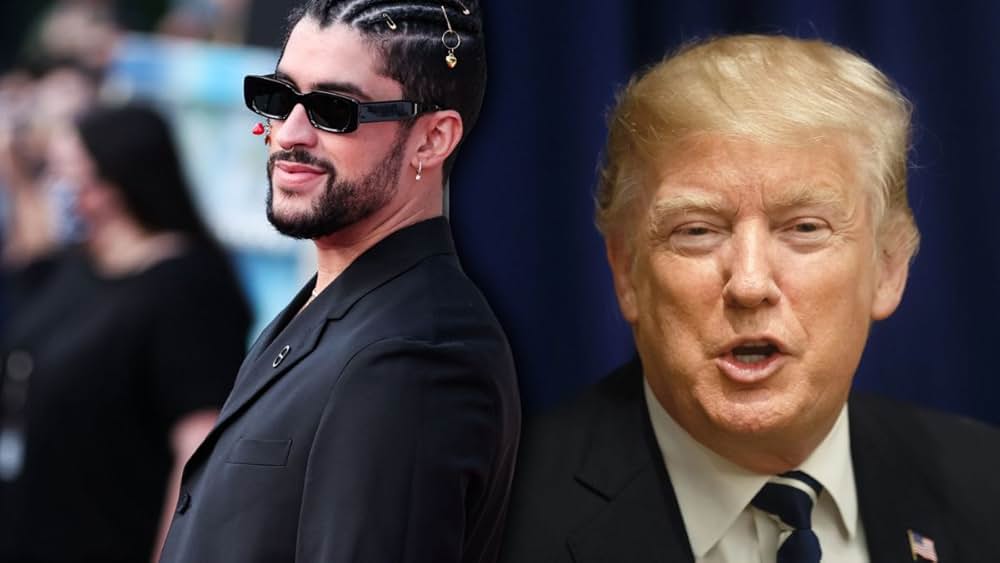
Trump’s “Anti-Them” Line Becomes the Headline
Trump’s decision not to attend the Super Bowl started as a scheduling note and quickly morphed into a slogan. In an interview with The Post, he said he would skip the Super Bowl because of the halftime performers, Bad Bunny and Green Day, and punctuated it with the blunt line, “I’m anti-them,” turning a personal preference into a political-style label on two of the world’s biggest acts. That phrase, delivered as he explained why he would not be in the stands, instantly framed his absence as a protest rather than a simple change of plans, and it has been repeated across coverage of his comments to The Post.
Other outlets picked up the same language as they recounted how Trump “slams” the 2026 Super Bowl performers, Bad Bunny and Green Day, and repeats that he is “Anti-Them,” capital letters and all. One report on his remarks, which described how Donald Trump slams the Super Bowl performers Bad Bunny and Green Day, highlighted that he leaned on that exact phrase to underline his disapproval, presenting it as a kind of shorthand for his broader frustration with the NFL’s direction and the artists it is elevating. That coverage, which credits writer Bailey Richards for detailing how he used the “Anti” and “Them” framing, underscores how a few words from the president can instantly define the narrative around a massive entertainment event, as seen in the account of Donald Trump Slams.
Why the President Says He Is Skipping Super Bowl LX
On the surface, Trump’s explanation is simple: he does not like the show. He has said he will not attend Super Bowl LX in Santa Clara because he is unhappy with the NFL’s choice of Bad Bunny and Green Day, framing the lineup as a deal breaker rather than a minor annoyance. In one account of the dispute, the decision is described as Trump skipping the Super Bowl amid a performer dispute, with the president explicitly tying his absence from Super Bowl LX in Santa Clara to the league’s entertainment picks, as detailed in the report that notes how Trump Skips Super.
Another account, focused on how Trump is skipping the Super Bowl over the NFL’s Bad Bunny and Green Day picks, quotes him again saying “I’m Anti-Them” and presents his boycott as a direct response to the league’s decision. That report, which describes how Trump is skipping the Super Bowl over the NFL’s Bad Bunny and Green Day picks and repeats his “Anti” and “Them” phrasing, makes clear that he is not trying to hide behind logistics or security concerns. Instead, he is using the game as a stage for a cultural argument, as laid out in the coverage headlined Trump Skipping Super.
How Trump Turned a Halftime Lineup Into a Culture Clash
Trump’s comments are not just about music taste, they are about who he thinks the NFL is catering to. In one interview, he did not hold back from sharing his opinion on the Super Bowl 2026 musical lineup, using the moment to criticize the broader direction of the league and its embrace of artists like Bad Bunny and Green Day. That account, which notes that U.S. President Donald Trump did not hold back when talking about the Super Bowl lineup, situates his “I’m Anti-Them” remark inside a longer pattern of cultural grievances, as described in the piece on how President Donald Trump weighed in.
Other coverage spells out just how personal his criticism is. One report quotes Trump saying he “hates” Bad Bunny and Green Day, adding that he thinks the choice is “terrible” and that “all it does” is alienate people like him. That same account, which notes that Trump will not go to the Super Bowl and says he hates Bad Bunny and Green Day, captures the way he folds the word “All” into a sweeping complaint about the league’s priorities, as detailed in the story that explains why Trump won’t go.
What the NFL Booked: Bad Bunny and Green Day on the Biggest Stage
To understand the clash, it helps to look at what the NFL actually put on the bill. Bad Bunny is the main halftime performer for Super Bowl 2026, a choice that reflects his status as one of the most streamed artists in the world and a leading figure in Spanish-language pop. Coverage of the game notes that Bad Bunny is the main halftime performer and that the broadcast will also feature a Spanish Language interpreter, Celimar Rivera Cosme, underscoring how the league is leaning into a bilingual, global audience, as laid out in the guide on how to watch the Super Bowl 2026 performances.
Green Day, meanwhile, is part of the broader entertainment slate, bringing a veteran rock presence to the pregame and related festivities. Reports that walk through the full performance schedule emphasize that the league is pairing a global reggaeton superstar with a long-running American rock band, a combination meant to bridge generations and genres. Those same rundowns, which again stress that Bad Bunny is the main halftime performer and highlight the inclusion of a Spanish Language interpreter, show how intentional the NFL has been in curating a show that looks and sounds different from the classic rock-heavy lineups of the past, as described in the breakdown of Super Bowl 2026.
Trump’s History With the NFL and Why This Fits the Pattern
Trump’s latest Super Bowl broadside does not come out of nowhere. He has a long, tangled history with football, from his days as a team owner in a rival league to his more recent attacks on NFL players who knelt during the national anthem. His current role as President Donald Trump, weighing in on Super Bowl LX in Santa Clara and saying he will not attend because of the performers, fits into that pattern of using the league as a stand-in for broader cultural fights, as noted in the report that frames how President Donald Trump is skipping the game.
His comments this year echo earlier episodes where he framed the NFL as having lost its way, whether over player protests or league policies he disliked. The latest round, in which he tells The Post he is skipping the Super Bowl and slams halftime performers Bad Bunny and Green Day while repeating that he is “anti-them,” shows him once again casting the league’s choices as evidence of a broader cultural slide. That interview, which identifies Trump speaking to The Post about the Super Bowl and Bad Bunny and Green Day, reinforces how he uses the game as a recurring stage for his ongoing feud with the modern NFL, as captured in the detailed account of what Trump tells The.
Bad Bunny, Green Day, and the Politics They Did Not Ask For
For Bad Bunny and Green Day, the president’s criticism drags them deeper into American politics whether they want it or not. Bad Bunny, a Puerto Rican superstar whose music often touches on social issues, is used to being part of political conversations, but being singled out by the sitting president as someone he is “anti” toward raises the stakes. One report on the controversy notes that Donald Trump berated Bad Bunny and Green Day ahead of their Super Bowl performances, repeating that he is “Anti-Them” and tying his comments to ongoing political debates, as described in the piece that details how Donald Trump berates.
Green Day, a band that has never shied away from political themes, suddenly finds its Super Bowl slot framed as a provocation rather than a celebration. Coverage that focuses on how Donald Trump slams the 2026 Super Bowl performers Bad Bunny and Green Day, and again uses the “Anti” and “Them” language, makes clear that he is not just critiquing a playlist but casting the artists themselves as symbols of what he opposes. That framing, laid out in the report that tracks how Super Bowl performers became targets, shows how quickly a halftime booking can turn into a political Rorschach test.
How Fans and Commenters Are Reacting to Trump’s Boycott
Trump’s vow to skip the game has not stayed confined to official statements. On social media, his comments have been shared, mocked, and cheered, often in the same thread. One widely shared post notes that Donald Trump says he is skipping the Super Bowl this year and is blasting the NFL’s choice of performers Green Day and Bad Bunny, quoting him as saying, “I’m an anti-them guy. I think it’s terrible,” and capturing how that line ricocheted through comment sections, as seen in the post where Donald Trump says.
In that same thread, commenters trade reactions that range from relief to disappointment, with some saying his absence will make the game more enjoyable and others arguing that the NFL has gone too far in chasing a younger, more progressive audience. The post, which spells out that Donald Trump is skipping the Super Bowl this year and blasting the NFL’s choice of Green Day and Bad Bunny, has become a mini focus group on how fans feel about the collision of politics, pop music, and football, as reflected in the conversation around Donald Trump says the game.
From Interview Soundbite to Full-Blown Story
What started as a stray line in an interview has now become a fully formed political storyline attached to Super Bowl LX. In his conversation with The Post, Trump not only said he was skipping the Super Bowl and criticized Bad Bunny and Green Day, he also framed the decision as part of a broader dissatisfaction with where the NFL is headed. That interview, which quotes Trump telling The Post he is skipping the Super Bowl and slamming halftime performers Bad Bunny and Green Day while repeating that he is “anti-them,” provided the raw material for a wave of follow-up coverage, as detailed in the piece recounting what Trump tells The.
Subsequent stories have stitched together his quotes, the NFL’s booking decisions, and the broader political climate into a single narrative about a president who is willing to turn even the country’s biggest sporting event into a referendum on culture. One account that focuses on how Trump will not go to the Super Bowl and says he hates Bad Bunny and Green Day, repeating that he is “anti-them” and calling the choice “terrible,” shows how that initial soundbite has been expanded into a full critique of the league’s direction, as laid out in the report explaining why Trump won’t Super this year.
More from Vinyl and Velvet:

Leave a Reply