

For a brief, blinding moment in the 1960s, a working-class kid from Liverpool fronted a band that sold millions of records and even shoved The Beatles off the top of the charts. By the time his story ended, that same singer was living in near-total obscurity, broke, and cut off from the success he helped create. His rise and fall is not just a sad footnote to Beatlemania, it is a sharp reminder of how the music business can turn chart-topping glory into a lifetime of financial struggle.
The arc of Tony Jackson, the original lead singer of The Searchers, shows how quickly the spotlight can move on, and how unforgiving the industry can be to the people who built its biggest moments. His fate also sits alongside other stars who died young or destitute despite huge hits, from Motown pioneers to pop heartthrobs, underlining that talent and chart power have never guaranteed long-term security.
The night a Liverpool band toppled The Beatles
In the early 1960s, the British beat boom was a crowded field, but The Searchers managed something most bands could only dream of: they knocked The Beatles off the number one spot. Their version of “Sweets for My Sweet” became a runaway hit, part of a run of singles that briefly put them in the same commercial conversation as the Fab Four. At a time when The Beatles seemed untouchable, a fellow Merseybeat group elbowing them aside on the charts was a genuine shock to the system.
That upset was not a fluke. With songs like Sweets for My, The Searchers moved millions of records and carved out their own slice of the British Invasion. Another report on the band notes that they were a British group that managed to push The Beatles aside in the 1960s with hits like “Sweets for My Swee,” underscoring how unusual it was for anyone to interrupt that run of dominance. In the middle of that whirlwind stood Tony Jackson, the face and voice of the band’s earliest success.
Tony Jackson, the voice that launched The Searchers
Before the money dried up and the gigs got smaller, Tony Jackson was the frontman every label wanted. As the original lead singer of The Searchers, he helped define their jangly, harmony-heavy sound that fit perfectly into the British beat scene. His voice powered those early singles that raced up the charts, and for a while it looked like he would ride that wave for decades.
Accounts of the band’s history describe how their original lead singer, Tony Jackson, fronted a string of hit singles during that era. Another detailed look at his life notes that in 2003, Tony Jackson, the founding member and original lead singer, was already long removed from the band’s heyday. The gap between the young man on television and the older one struggling to get by would become one of the most jarring parts of his story.
From chart hero to life on the margins
For a musician who once helped dethrone The Beatles, the end of Tony Jackson’s life could not have been further from the glamour of the 1960s. After leaving The Searchers, he never found another project that matched their success, and the royalties and recognition that might have cushioned his later years never really materialized. By the time his health declined, he was living with serious financial problems that made his earlier fame feel almost unreal.
Reports on his final years are blunt. They state that Tony Jackson died penniless, with one account describing how the founding member died in destitution despite his role in a band that had once beaten The Beatles on the charts. Another piece on the group’s history notes that their original lead singer, Tony Jackson, never shared in the long-tail touring and nostalgia money that later lineups enjoyed, even though he had been central to those early hits. The contrast between the band’s enduring brand and his personal finances could hardly be starker.
Why beating The Beatles did not guarantee a safety net
On paper, knocking The Beatles off the charts sounds like a golden ticket. In practice, it did not protect Tony Jackson from the usual traps of the 1960s music business. Recording contracts were often tilted heavily toward labels and managers, and band members who left early or fell out with their partners could find themselves cut off from future earnings. For a singer like Jackson, who exited the group while it was still active, that meant the band’s later touring and compilation income flowed around him, not to him.
The Searchers’ catalog, including hits like Sweets for My, continued to sell and stream long after the original lineup splintered. Yet the same reporting that celebrates those songs also points out that Tony Jackson, the man who sang them first, ended up broke. A separate account of the band’s story notes that The Searchers were a British group that knocked The Beatles off number one with “Sweets for My Swee,” but their original lead singer did not share in the long-term rewards. The lesson is simple and brutal: chart history does not automatically translate into personal financial security, especially when contracts and band politics get in the way.
Other stars who died broke despite huge hits
Tony Jackson’s fate is not an isolated case. Across genres and decades, there is a grim pattern of artists who helped define an era, only to die with little or nothing in the bank. Sometimes it is about bad deals and industry exploitation, sometimes about addiction or health crises, and often it is a mix of all three. The common thread is that the public assumes “famous” means “financially set,” while the reality behind the scenes can be far more fragile.
One stark example is Florence Ballard, a founding member of The Supremes, who was pushed out of the group and later died in poverty. Another is Andy Gibb, the younger brother of the Bee Gees, whose 1978 album Shadow Dancing brought him worldwide success. Reports on his life state that the music icon died penniless aged 30 after addiction struggles led to a serious heart condition, and that his income had fallen to less than $8,000 by the end. When a singer with a global hit like Shadow Dancing can die broke at 30, it underlines how little protection fame alone offers.
Florence Ballard and the cost of being pushed out
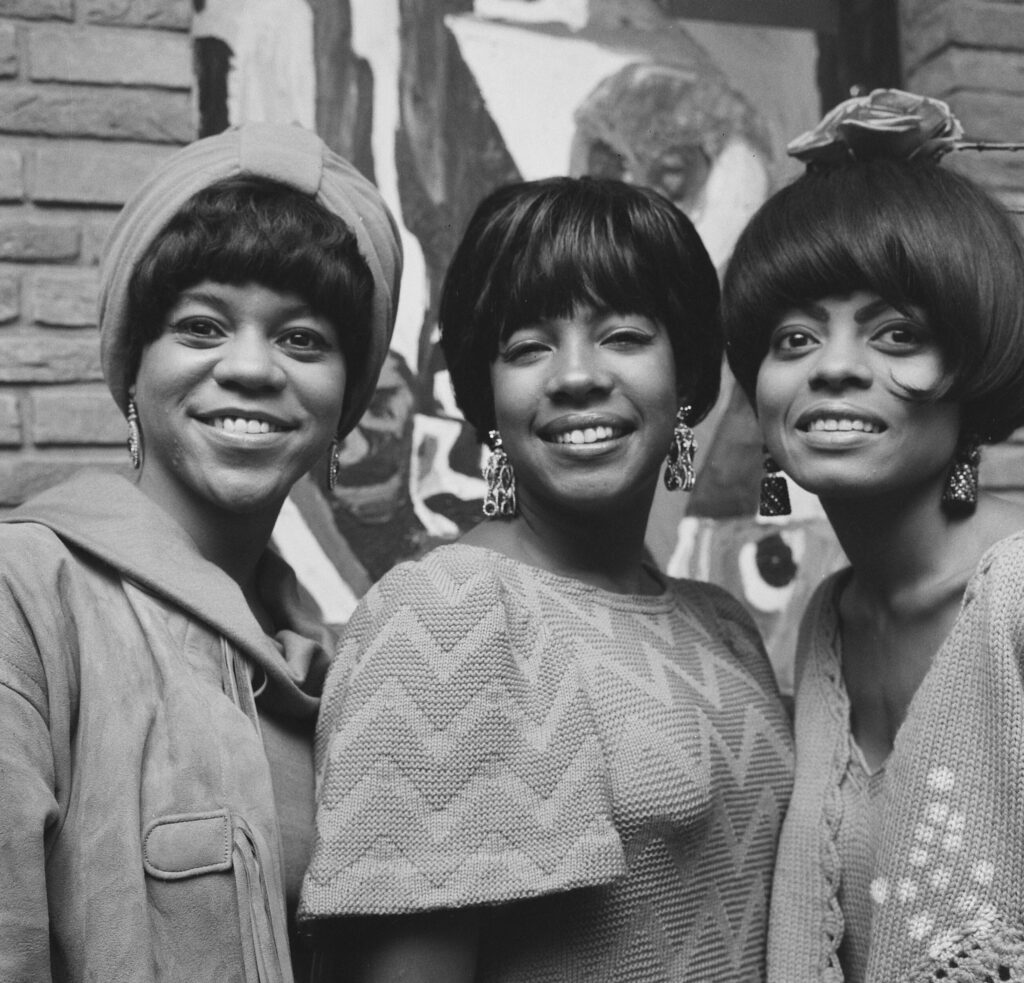
Florence Ballard’s story runs parallel to Tony Jackson’s in uncomfortable ways. She helped form The Supremes, one of Motown’s most successful groups, only to be sidelined and eventually pushed out as the spotlight narrowed around Diana Ross. Losing her place in the group meant losing not just status but also the main source of income tied to the hits she had helped create.
Detailed accounts of her life describe how a music icon tragically died penniless at the age of 32 after being pushed out of the legendary group. The same reporting notes that The Supremes, formed as The Supremes in 1961, dominated the charts in their early days, with one of their singles staying at number one for 11 weeks. While Christina Aguilera was chatting to Express at a Burlesque The Musical event decades later, celebrating a very different kind of showbiz success, the contrast with Ballard’s fate could not be more striking. Like Tony Jackson, she helped build a brand that outlived her, but the long-term financial benefits largely passed her by.
Andy Gibb and the myth of guaranteed pop riches
Andy Gibb’s career looked like a pop fairy tale at first. Influenced by his older brothers in the Bee Gees, he stepped into the late 1970s spotlight with a string of hits that made him a teen idol. Shadow Dancing, released in 1978, was the kind of global smash that usually signals a lifetime of comfortable royalty checks and nostalgia tours.
The reality was far harsher. Reports on his final years explain that the music icon died penniless aged 30 after addiction struggles led to a horror heart condition, and that his income had dropped to less than $8,000 by the time he died. The same coverage notes that Andy Gibb was heavily influenced by his brothers and went on to huge success with Shadow Dancing, yet his promising career hit a rough patch that he never recovered from. His story, like Tony Jackson’s, shows how quickly a pop dream can unravel when health, finances and support systems all fail at once.
Louis Armstrong, The Beatles, and a different kind of legacy
Not every artist who tangled with The Beatles on the charts ended up broke, and that contrast helps explain what went wrong for others. In the United States, one of the most famous interruptions of Beatlemania came from Louis Armstrong, who was already a jazz legend long before the British Invasion. His success against the band shows how a long, diversified career can offer more stability than a brief pop explosion.
Historical accounts note that On May 9, 1964, the great Louis Armstrong, age 63, ended the Beatles’ reign atop the U.S. pop charts with his number 1 hit “Hello Dolly.” Unlike Tony Jackson or Andy Gibb, Armstrong had decades of touring, recording, and film work behind him, and his finances were not tied to a single moment of pop dominance. His example highlights how experience, better contracts, and a broader career can help protect an artist from the kind of destitution that later swallowed Jackson and others.
What Tony Jackson’s story says about music and money
Put side by side, these stories sketch a rough map of who survives the music business and who does not. Tony Jackson, Florence Ballard, and Andy Gibb all had the talent and the hits, but they lacked the safety nets that might have caught them when the spotlight moved on. Whether it was being pushed out of a group, leaving a band too early, or being overwhelmed by addiction, each of them hit a point where fame could no longer be converted into rent, medical care, or basic security.
The details of Tony Jackson’s life are especially jarring because he helped a British band knock The Beatles off number one, yet he still died penniless. Reports on his death stress that Tony Jackson, the founding member and original lead singer of The Searchers, died in destitution despite that historic chart moment. When fans stream “Sweets for My Sweet” or read about how The Searchers were a British band that knocked The Beatles aside with “Sweets for My Swee,” they are hearing a voice that never saw the long-term payoff. His story, and those of the other artists who died broke, is a quiet warning tucked inside some of pop’s brightest, most joyful songs.
More from Vinyl and Velvet:

Leave a Reply