

Jelly Roll has spent the past few years turning raw confessionals into arena singalongs, so his fans are used to feeling like they know where his heart is. That is exactly why his decision to join Kid Rock’s Rock The Country festival has hit so hard, with longtime supporters saying they feel “disappointed” and even “heartbroken.” The booking has dropped him into the middle of a culture‑war storm around a tour many critics see as MAGA‑coded, and the reaction is testing just how far that bond with his audience can stretch.
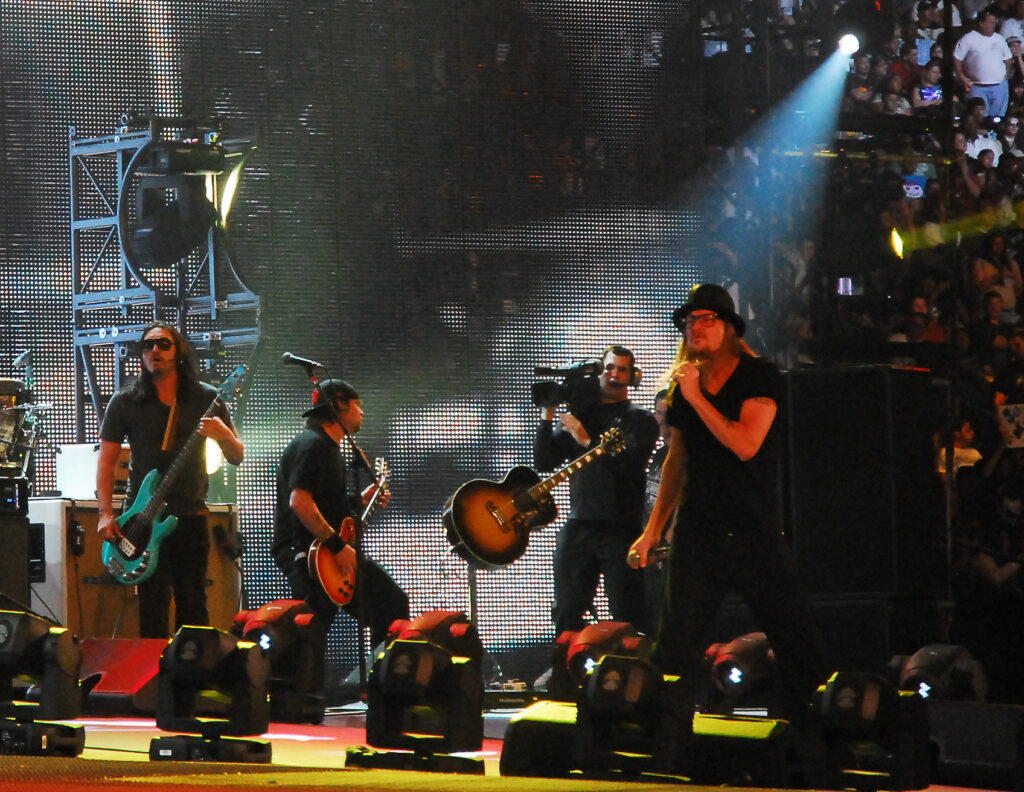
How Jelly Roll Landed In The Middle Of A Culture War
On paper, Jelly Roll signing onto a big country‑rock festival should have been a victory lap. Rock The Country is built as a multi‑city, small‑town event with Kid Rock as a central draw, and this year’s headliners also include Rock, Jason Aldean, Blake Shelton and Jelly himself, according to a festival breakdown that lists those four as the marquee names on the bill at the Austin County Fairgro venue. That same rundown notes that the event is structured around a two‑day pass format, with fans encouraged to camp out and catch stacked lineups of country and rock acts across the weekend.
The problem for Jelly Roll is not the size of the stage, it is the politics attached to it. Kid Rock has leaned into a MAGA identity for years, and multiple reports describe Rock The Country as a MAGA‑aligned or MAGA‑coded tour that is marketed directly to conservative audiences in rural markets. One Facebook post from Country describes Kid Rock using patriotic language about the values that have “carried America through 250 years” while promoting the tour. When Jelly Roll agreed to join that lineup, he effectively stepped into a political frame that was already set before he ever walked onstage.
What Rock The Country Actually Is
Rock The Country is not a one‑off show, it is a full touring festival brand that has been expanding into new markets. Ticketing information for the 2026 run shows a two‑day pass option for Rock The Country at the Austin County Fairgro grounds in Bellville, Texas, with the event marketed as a country music festival that brings big‑name acts into smaller communities. Listings for that Bellville stop describe it as a multi‑day experience with live performances across the fairgrounds, and the two‑day pass is positioned as the main way to see the full slate of artists across the weekend through outlets like Rock The Country ticket sales.
Separate concert listings show Rock The Country also promoting a specific Bellville date as a country rock music festival scheduled for Saturday, May 2, 2026, with live performances advertised at the Austin County Fairgro site. That Saturday billing, highlighted on platforms like Saturday event pages, reinforces that this is a full‑scale festival environment rather than a simple tour stop. For Jelly Roll, that means his name is not just on a poster next to Kid Rock’s for one night, it is woven into the broader branding of a traveling show that is already being debated as a political statement as much as a party.
Why Fans Say They Feel “Heartbroken”
The backlash from Jelly Roll’s base has been swift and emotional. Coverage of the reaction notes that Jelly Roll Fans Say They Are “Heartbroken” After He Joins Kid Rock’s Controversial Rock The Country festival, with supporters flooding comment sections to say they are “so disappointed” in the move. One report pulls together posts from fans who say they had seen him as a rare mainstream artist who made space for people in recovery, people who felt judged by church culture, and people who did not fit neatly into red‑blue boxes, and now feel that trust has been shaken by his decision to share a bill with Kid Rock at a tour explicitly marketed to conservatives. That sense of betrayal is captured in pieces that quote Jelly Roll Fans Say They Are “Heartbroken” After He Joins Kid Rock’s Controversial Rock The Country, framing the reaction as more than casual annoyance.
Those same write‑ups point out that the anger is not just about Kid Rock’s politics in the abstract, it is about what Rock The Country represents in the current climate. The festival has been described as controversial because of its MAGA‑coded branding and the way it leans into culture‑war rhetoric, and fans who once saw Jelly Roll as a safe space are now wrestling with what it means to see his name on that poster. Articles that focus on how Jelly Roll Fans Say They Are “Heartbroken” After He Joins Kid Rock’s Controversial Rock The Country Festival After Previously Sh support the idea that this is a deeper rupture, with some listeners saying they are reconsidering buying tickets or streaming his music after feeling blindsided by the booking.
The MAGA Label And Kid Rock’s Role
Part of what is fueling the outrage is how clearly Rock The Country has been framed as a MAGA‑friendly event. Multiple reports describe Jelly Roll as facing scrutiny for joining a MAGA‑favorite Kid Rock’s music festival lineup, with one piece flatly stating that Country star Jelly Roll is under fire for his participation in a tour that is seen as aligned with MAGA politics. That same reporting notes that Kid Rock has become a hero figure for that movement, and that his festival is widely read as an extension of that identity. In that context, Jelly Roll is not just playing a show, he is lending his credibility to a project that critics say is designed to energize a specific political base, as outlined in coverage that frames the controversy around Jelly Roll.
Another version of that same story, published under a slightly different URL, underscores that Your support makes all the difference for artists like Jelly Roll but also notes that his decision to join Kid Rock’s Country festival has sparked considerable blowback. That piece again labels Kid Rock as a MAGA‑favorite and stresses that the festival’s lineup has become a flashpoint for debates about how openly country stars should align with partisan politics. Together, the two linked versions of the report on Your Country Jelly Roll controversy make it clear that the MAGA label is not coming from fans’ imaginations, it is baked into how the tour is being covered.
Online Backlash: From Threads To Comment Sections
Once Jelly Roll’s name appeared on the Rock The Country poster, the reaction online moved quickly from confusion to anger. One widely shared piece describes how Jelly Roll fans lash out at singer for joining MAGA‑favorite Kid Rock’s Country music festival lineup, quoting a Threads user who said they were “done” supporting him after the announcement. That same report notes that fans used words like “sellout” and “hypocrite” as they processed the news, and it frames the backlash as part of a broader debate about whether artists can claim to be apolitical while playing events that are marketed directly to a MAGA audience. The story, which centers on Jelly Roll, captures how quickly that frustration spread across platforms.
Another version of the same report, accessible through a slightly different link, repeats that Jelly Roll fans lash out at singer for joining MAGA‑favorite Kid Rock’s Country music festival lineup and again highlights the quote from Threads as a snapshot of the mood. That second URL, which also focuses on MAGA Kid Rock Country backlash, reinforces that this is not a fringe reaction from a handful of commenters. Instead, it shows a wave of fans publicly wrestling with whether they can square their love for Jelly Roll’s music with his willingness to stand alongside Kid Rock on a tour that many see as a political rally in everything but name.
Ludacris, Nelly And The Vanishing Rap Feature
The controversy around Rock The Country is not limited to Jelly Roll. Early promotional materials for the 2026 run highlighted that #ludacris and #nelly are set to perform at the 2026 Rock the Country festival, with social media clips hyping the idea of rap stars sharing the stage with prominent country artists. An Instagram reel that tags Rock the Country shows Ludacris and Nelly being promoted as part of the lineup, suggesting that the festival initially wanted to broaden its appeal beyond the usual country‑rock mix by bringing in crossover names from hip‑hop. That post, which centers on Rock the Country, shows how the festival initially tried to market itself as a big‑tent party.
That plan did not last. Reports now note that a famed rapper has dropped out of Kid Rock’s upcoming Rock the Country tour after he received backlash from fans, with one Facebook post from Country explaining that the artist’s team said his inclusion on the 2026 tour was a misunderstanding. Another detailed piece states that Ludacris Bails On MAGA‑Coded Rock The Country Tour Amid Fan Backlash, adding that his team clarified they had not fully grasped the political framing of the event when they first agreed. Those accounts, linked through Rock the Country and Ludacris Bails On Coded Tour Amid Fan Backlash, show how quickly the lineup became a political minefield for artists who do not want to be branded as MAGA performers.
Why Ludacris Walked While Jelly Roll Stayed
The contrast between Ludacris backing out and Jelly Roll staying put has become a talking point among fans. One detailed breakdown of the situation explains why Ludacris’ name disappeared from Rock The Country festival lineup, noting that his team moved to remove him after the political framing of the tour became clear and after fans questioned why he would share a stage with Kid Rock. That same report quotes social media users criticizing arguments tied to the tour’s culture‑war messaging, including one X user who said, “Blaming birth rates on insults instead of economics, housing, and healthcare just shows how unserious the argument is,” a line that appears in coverage linked through Blaming birth rates commentary.
Another report on why Ludacris’ name was removed from Kid Rock’s festival notes that this year, headliners include Rock himself, one the festival’s co‑founders and driving forces, Jason Aldean, Blake Shelton and Jelly, and that Ludacris’ exit did not change that core lineup. That piece, accessible through Rock Jason Aldean Blake Shelton Jelly coverage, underscores that Jelly Roll is not a side player here, he is one of the faces of the tour. For fans watching from the outside, the fact that Ludacris chose to walk away while Jelly Roll has, so far, stayed on the bill only sharpens the question of how much responsibility artists bear for the politics of the stages they choose.
Jelly Roll’s Carefully Built Image Meets A Hard Test
Part of why this controversy stings is that Jelly Roll has spent years building a reputation on raw emotion, redemption and connection with his fans. A widely shared Facebook post notes that Jelly Roll has built a reputation on raw emotion, redemption, and connection with his fans, and that image is now cracking after he signed on to Kid Rock’s festival. The same post includes comments from people who say things like “He’s found God of course he’s conservative!!” and “I was wondering when people would realize that religion and politics are two different things,” capturing how fans are now reading his spiritual journey and his politics together. That tension is laid out in the piece linked through Jelly Roll commentary.
Another Facebook post that has circulated among fans states that Jelly Roll is facing a fan backlash after signing on to Kid Rock’s MAGA‑aligned festival, and notes that the controversy escalated when Ludacr was removed from the lineup. That post, which centers on Jelly Roll Kid Rock MAGA Ludacr backlash, frames the situation as a turning point for an artist who has built his brand on being accessible and nonjudgmental. Fans who once saw him as proof that mainstream country could make room for people with messy pasts are now asking whether that same openness extends to playing a festival that many of them experience as hostile to their own identities and beliefs.
More from Vinyl and Velvet:

Leave a Reply