

One woman thought she was just easing her aches by sleeping on a heating pad, until a friend filmed the patterned damage across her back and the clip exploded online. Viewers said it looked like she was “literally cooking herself,” and the phrase stuck because the marks were not a simple sunburn but a sign of deeper heat injury. Her story has turned a cozy bedroom habit into a viral warning about what long, low heat can quietly do to skin.
Doctors have a name for it, and it sounds as dramatic as it looks: toasted skin syndrome. The condition is showing up in people who curl up with heating pads, space heaters, and even laptops for hours at a time, often without realizing anything is wrong until the stains appear. The internet may have amplified the shock factor, but the underlying problem is very real and very preventable.
The viral back that made everyone stare
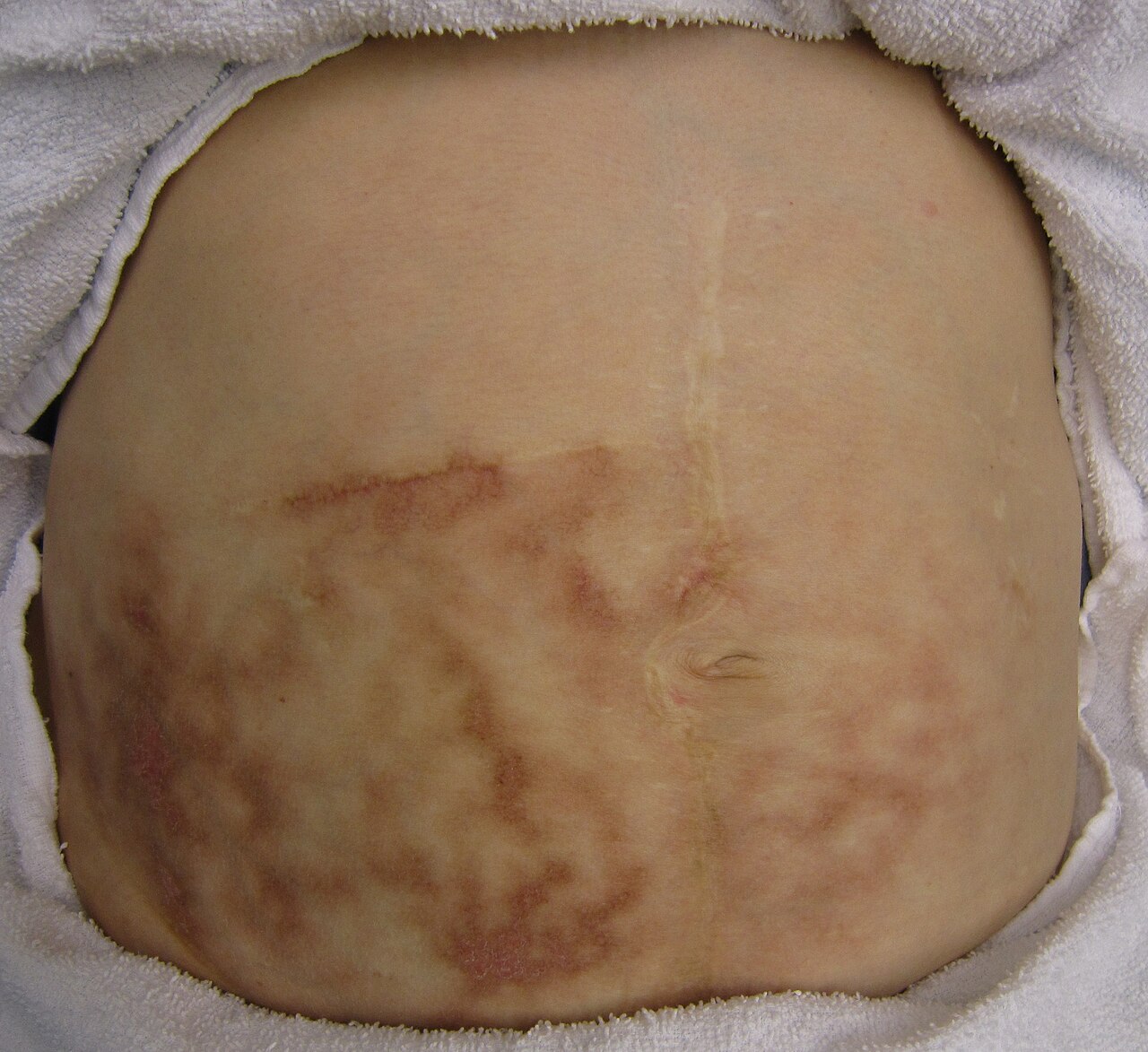
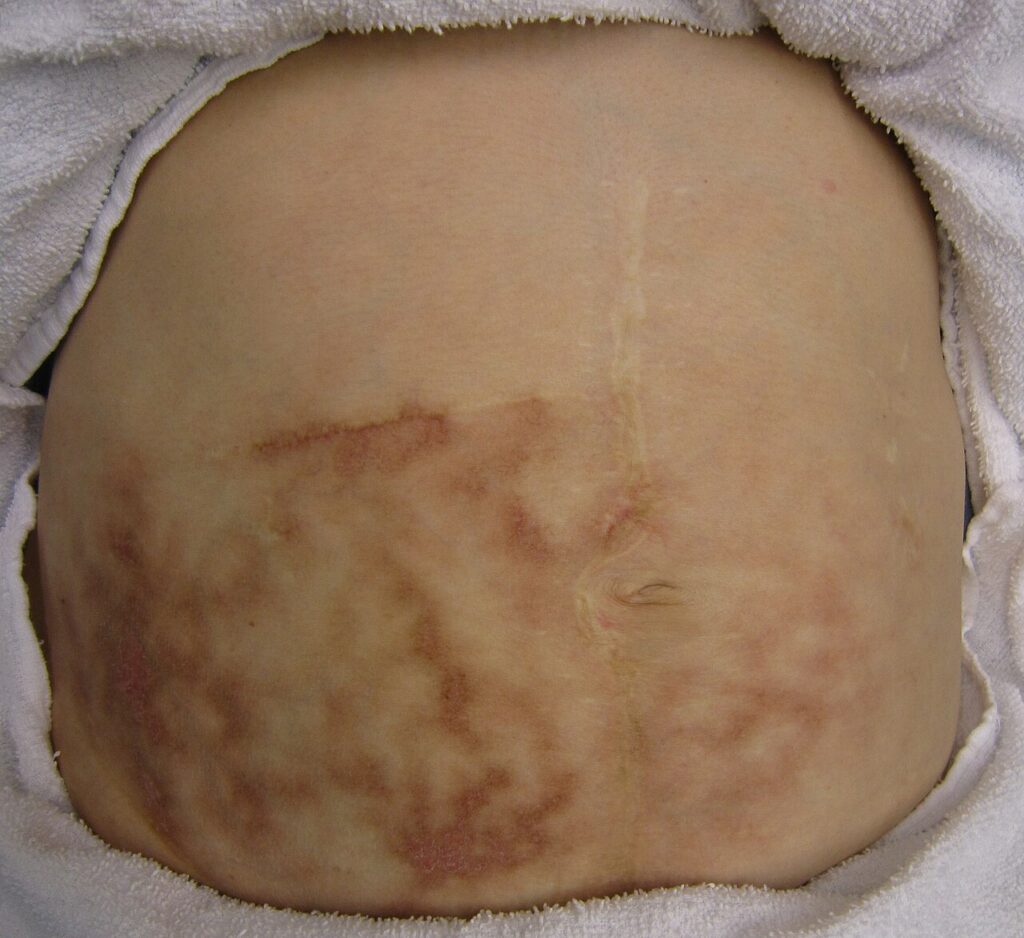
The wake up call started with a simple decision to hit record. Taking to social media, one woman filmed her friend Meagan lying on her stomach so viewers could see exactly what years of sleeping on a heating pad had done to her back. The camera panned over a wide patch of mottled, net like discoloration, a mix of red and brown that looked less like a rash and more like a permanent imprint baked into the skin, and Meagan’s friend wanted people to understand that this was not a filter or a one off fluke but the real life result of a nightly habit.
In the clip, Meagan’s back showed the classic lattice pattern that dermatologists now recognize as Toasted Skin Syndrome. Her friend explained that Meagan had been falling asleep on the same heated surface for years, letting the pad sit against her spine for entire nights instead of short sessions. That long term exposure, always in the same spot, created the patchwork of red and brown discolouration that now refuses to fade, turning a comfort object into a permanent reminder.
“She’s literally cooking herself” and why that line stuck
Once the video started circulating, one reaction summed up the collective horror: “She’s literally cooking herself.” The phrase popped up in a shared post that linked to coverage of the clip and captured what people felt when they saw the grid like marks across Meagan’s back. It was not just internet drama, it was a gut level recognition that the low, steady heat from that pad had been quietly changing her skin the way an oven slowly transforms food, and the wording made the risk impossible to shrug off as a cosmetic issue.
That same post urged people to rethink how casually they treat plug in heat, pointing out that the friend in the video had not done anything most of us would consider extreme, she had simply slept on a pad night after night. The comment thread under the shared clip filled with people admitting they also fall asleep on heating pads or space heaters, suddenly wondering what might already be brewing under their own pajamas.
What toasted skin syndrome actually is
Dermatologists are clear that this is not just a weird internet trend but a well described medical condition. Known medically as erythema ab igne, Latin for Latin for “redness from fire,” it shows up as a fishnet or checkerboard pattern on skin that has been exposed to moderate heat for too long. The temperatures involved are usually not high enough to cause an immediate burn, which is why people like Meagan can sleep through the damage without waking up in pain, but over time the repeated exposure injures tiny blood vessels and pigment cells in the upper layers of skin.
Medical descriptions of toasted skin syndrome, often shortened to TSS, describe it as a type of skin hyperpigmentation that develops after repeated exposure to moderate heat or infrared radiation. The mottled rash can take weeks or months to appear, which means by the time someone notices the pattern, the underlying damage has often been building for a long while. In some cases the discoloration fades if the heat source is removed, but in others it can linger or even progress to more serious changes in the affected cells.
Doctors on TikTok are spelling it out
As the Meagan clip bounced around social feeds, dermatologists on TikTok and Instagram started stitching and duetting it to explain what viewers were seeing. Doctor Hannah Ahmed, who introduces herself as a board certified dermatologist and dermatopathologist, recorded a video breaking down “what’s going on on this woman’s skin,” pointing to the net like pattern as a textbook example of heat injury from leaving a pad in the same spot for too long. In her explanation she stresses that she did not personally examine the patient, but the pattern fits what doctors expect when skin is exposed to chronic, localized warmth.
Other creators have turned the condition into a mini crash course. One clip labeled “Toasted Skin Syndrome explained” walks through the basics of erythema ab igne and tags it with #erythemaabigne and #toastedskinsyndrome, inviting viewers to “View all 68 comments” as people share their own stories. Another dermatologist run account posts a reel that bluntly warns that repeated heat exposure can cause erythema ab igne, noting that this kind of heat induced skin damage has been documented in formal case reports and urging followers to “stay warm, but keep it moving” so no single patch of skin gets cooked by a heater or pad.
From space heaters to car seats, it is not just heating pads
Meagan’s back might be the current face of the problem, but the heat sources behind toasted skin syndrome are everywhere. Dermatology accounts have flagged laptops perched on thighs, space heaters aimed at shins under a desk, and even heated car seats as repeat offenders that can quietly stain skin. One reel warns that heating pads, space heaters, and laptops “will stain your skin,” explaining that using a heating pad every night might seem soothing but prolonged heat exposure can actually damage skin and deeper tissues, a point backed up by Using research based tips for safer heat therapy.
Formal write ups echo that warning, describing toasted skin syndrome as a reaction to repeated exposure to moderate heat or infrared radiation from sources like stoves, fireplaces, and electric pads. One overview notes that Toasted skin syndrome can develop after weeks or months of this kind of exposure, which explains why people who work near old fashioned radiators or sit in front of open ovens can develop the same fishnet pattern that Meagan has on her back, even if they have never owned a heating pad.
How the damage builds under the surface
What makes this condition so sneaky is that the heat involved is usually in the “comfortable” range. Research shared in one viral reel notes that using a heating pad every night may feel soothing, but extended use, especially while sleeping, increases the risk of thermal burns and deeper tissue injury. The creator points out that Research shows that even if the pad does not leave a blister, the chronic warmth can still damage nerves and blood vessels, setting the stage for long term problems.
Dermatology explainers describe erythema ab igne as the skin’s response to that chronic insult. Over time, the repeated heat exposure causes dilation and eventual damage of superficial blood vessels, along with changes in pigment producing cells. One detailed breakdown notes that when toasted skin syndrome occurs, Collins explains it is because of prolonged exposure to moderate heat that is not intense enough to burn but is strong enough to cause cellular changes, a process that can be seen in the mottled patches and, in rare cases, in more serious lesions that develop within them, according to When she talks about those cellular changes caused by heat.
Burns, lawsuits, and why lying on a pad is different
Beyond the mottled stains, there is a more straightforward risk that product safety lawyers have been flagging for years. Legal analyses of electric heating pads point out that they emit heat, which makes them inherently dangerous if misused, and list “Burns Caused By Electric Heating Pads It” as a key category of injury. Some cases involve burns so severe they require skin grafting, especially when a pad is faulty or someone with reduced sensation, like a person with diabetic neuropathy, lies on it for hours without realizing how hot it has become, a pattern described in detail in discussions of Burns Caused By.
Even basic nursing and caregiving guides warn against letting patients lie directly on a heating pad. One explanation spells it out bluntly: Lying on a heating pad can lead to burns because of prolonged exposure to heat and reduced air circulation, and the proper technique for using one involves placing it over, not under, the body and limiting the time as requested by the patient. That same guidance on Lying on a pad is rooted in the same physics that turned Meagan’s back into a cautionary tale, when heat is trapped between a body and a mattress, it has nowhere to go but into the skin.
What experts say about long term risks
Dermatologists are careful not to panic people, but they also do not sugarcoat the potential long term consequences. A Harvard affiliated overview notes that erythema ab igne, again described as Latin for “redness from fire,” can sometimes be purely cosmetic, but in other cases the chronic heat exposure that causes the fishnet pattern has been linked to more serious lesions developing in the damaged area. That same explanation, which describes the condition as Known medically as erythema ab igne, specifically calls out heating pads and heated car seats as modern triggers.
Popular explainers have picked up that thread, too. One widely shared story about toasted skin syndrome quotes a dermatologist explaining that the condition is essentially the skin’s way of showing that the underlying cells have been stressed by heat, and that in rare situations, precancerous or cancerous changes have been reported in areas that were repeatedly exposed. Another report on Erythema ab igne, again translated as Latin for “redness from fire,” highlights how TikTok user Faith Harrell turned her own experience into a warning after her patterned rash drew thousands of concerned comments.
How to use heat without cooking your skin
The good news is that no one is saying people have to swear off warmth forever. Instead, experts are pushing for smarter habits. One viral reel that opens with “Using a heating pad every night might seem soothing” goes on to lay out simple rules, use heat in short sessions of 15 to 30 minutes, always place a barrier like a cloth or towel between the pad and skin, and never sleep with it on. Those practical tips, shared under the banner of Studie backed wellness tips, are meant to let people keep their comfort rituals without drifting into the danger zone that left Meagan with permanent marks.
On Facebook, one commenter who shared the “she’s literally cooking herself” post offered a similarly low key fix, “Give the heating pad a rest for a week or so and these marks will fade! You wanna sleep with a heating pad get one with an auto shut off.” That advice, captured in a post urging people to Give the pad a break, lines up with what dermatologists and safety experts are saying, the fix is not complicated, it is about time limits, barriers, and built in shutoffs so no one ends up slowly roasting their skin in their sleep.
More from Vinyl and Velvet:

Leave a Reply