

NFL fans have not seen a single second of Bad Bunny’s Super Bowl show yet, but the arguments around it already sound like the fallout from a culture‑war blowup. As the league barrels toward Super Bowl LX with the Puerto Rican star locked in as its halftime headliner, a loud slice of the audience is begging executives to pull the plug before kickoff. The clash is less about one performer than about what the NFL wants its biggest stage to say about politics, identity, and who the game is really for.
From conservative commentators to former athletes, critics are warning that the performance will be too “woke,” too political, or simply too far from the rock‑and‑country comfort zone they grew up with. Supporters, including league leadership, counter that Bad Bunny’s global reach and unapologetic style are exactly what a modern Super Bowl needs. The show is still weeks away, but the halftime debate is already playing like its own primetime event.
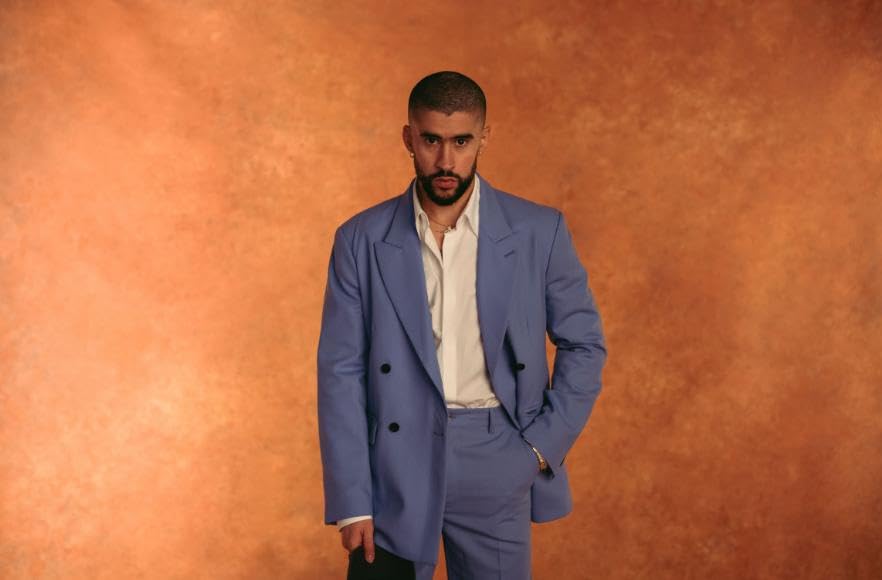
The NFL’s Big Bet on Bad Bunny
The league made a clear statement the moment it chose Bad Bunny as the face of its Super Bowl LX halftime show. Organizers did not go with a legacy rock act or a safe pop medley, they picked a three‑time Grammy winning Puerto Rican rapper who built his career rapping and singing in Spanish while blending reggaeton, trap, and pop. That choice instantly signaled that the NFL is chasing a younger, more global audience rather than just reassuring its traditional base. It also guaranteed that the halftime show would be read as a cultural statement, not just a musical booking.
Super Bowl LX itself is already framed as a milestone, and the halftime show is officially listed as part of the league’s broader effort to turn the game into a week‑long entertainment spectacle. By putting Bad Bunny at the center of that push, the NFL is tying its brand to an artist who has made gender fluid fashion, Latin American pride, and political commentary part of his public image. That is exactly why some fans are thrilled and others are now asking, sometimes in all caps, if the league can “cancel the show” before it ever hits the field.
Why Some Fans Want the League to Pull the Plug
The loudest backlash is coming from conservative corners of the fan base that already feel the league has drifted away from them. In right‑leaning spaces, critics argue that Bad Bunny’s halftime show will be divisive and will push a woke that has nothing to do with football. Some of those fans say they are tired of seeing the Super Bowl framed as a cultural battleground and want the league to stick to safer, English‑language acts that feel more familiar. The phrase “can we cancel the show now” has become shorthand for that frustration, a way of saying they would rather scrap the performance than watch the NFL lean further into identity politics.
Online, that sentiment has turned into calls for boycotts and vows to mute televisions during halftime. Commenters complain that the league is ignoring its core audience in favor of social media buzz, and they point to Bad Bunny’s explicit lyrics and boundary‑pushing visuals as proof that the show will cross lines. For those fans, the issue is not just taste, it is the sense that the NFL is choosing a side in the culture wars and daring them to either accept it or walk away.
Culture War Flashpoint: Gender, Fashion, and “Woke” Fears
Even before anyone has seen a set list, the idea of what Bad Bunny might wear has become its own flashpoint. One of his stylists told Radar Online that the reggaeton star plans to wear a dress during his Super Bowl appearance, and that single detail ricocheted through conservative feeds. For fans already wary of the league’s direction, the possibility of a male star in a dress at midfield is not just a fashion choice, it is a symbol of everything they think the NFL is now endorsing. The pushback is less about fabric and more about gender norms, with critics warning that the show will turn into a lecture on identity rather than a party.
Supporters see the same rumor and shrug, pointing out that Bad Bunny has long played with gendered clothing and makeup in his videos and performances. To them, a dress on the Super Bowl stage would simply extend the persona he has already built, not some new stunt cooked up to provoke outrage. That split reaction shows how much of this fight is happening in people’s heads before a single camera rolls. The halftime show has become a canvas for fans to project their hopes and fears about where American culture is heading.
Apple Music, Puerto Rico, and the Politics of Pride
The league’s official partners have not exactly poured water on the fire. When Apple Music promoted the show by saying Bad Bunny is bringing Puerto Rico to the world’s biggest stage, critics seized on the phrase as proof that the halftime show would be more about politics and national identity than about football. Some fans responded that the Super Bowl is an American event and should not be used, in their view, to spotlight a territory’s cultural pride. Others pushed back, arguing that Puerto Rican fans and players have been part of the NFL for decades and deserve to see their culture reflected at the center of the sport’s biggest night.
For Bad Bunny’s supporters, that Apple Music line was a selling point, not a warning. They see a Puerto Rican artist headlining the Super Bowl as a long overdue recognition of Latin audiences who have helped drive the league’s ratings and merchandise sales. The tension here is not just about one performer, it is about who gets to feel at home in the NFL’s most sacred space. When a sponsor leans into that identity, it turns a halftime booking into a referendum on what “American” looks and sounds like in 2026.
Danica Patrick, Celebrities, and the Pile‑On Effect
Once the backlash started, it did not take long for big names to jump into the conversation. Former NASCAR and IndyCar driver Danica Patrick was among those criticizing the choice of Bad Bunny, rolling her eyes at the booking and echoing fans who say the league is chasing controversy instead of crowd‑pleasing hits. Her comments gave the backlash a recognizable face and helped push the debate beyond hardcore football circles. When a former racing star is weighing in on the Super Bowl halftime show, it is a sign that the argument has broken into the broader pop‑culture bloodstream.
At the same time, other public figures have lined up on the opposite side. NFL commissioner Roger Goodell has defended the decision by pointing to Bad Bunny’s popularity and by arguing that halftime is supposed to bring different cultures into one another. That framing turns the show into a kind of cultural exchange, not just a concert. The celebrity split mirrors the fan split: some see the booking as a bridge, others as a provocation, and both sides are using their platforms to nudge the NFL in their preferred direction.
Green Day, Second Shows, and a Two‑Stage Strategy
The NFL’s response to the noise has not been to retreat, but to add more fuel in a different direction. The league confirmed that Green Day, a band known for its outspoken politics and anti‑MAGA jabs, will perform as part of the Super Bowl festivities, setting the stage for Bad Bunny’s headlining set. That pairing all but guarantees that the event will be read through a political lens, whether the artists explicitly mention politics or not. For critics already worried about a “woke” halftime, adding a punk band famous for calling out Donald Trump looks like confirmation that the league is leaning into confrontation.
At the same time, the NFL has tried to broaden the entertainment slate in a way that might soften the edges. The league announced that Super Bowl LX will feature a second show alongside Bad Bunny’s halftime performance, a move that looks like an attempt to give different segments of the audience something to latch onto. Some fans welcomed the extra act, while others saw it as a hedge, a way for the league to say it is listening to criticism without actually changing its headline decision. Either way, the two‑stage strategy underlines how carefully the NFL is trying to manage the optics of its entertainment choices.
Lyrics, Censorship, and the Halftime Double Standard
Beyond politics, a familiar argument is resurfacing around language and content. Detractors point to Bad Bunny’s catalog, noting that while Bad Bunny has songs that include profanity and sexual themes, the Super Bowl is marketed as a family event. They warn that even a censored version of his hits might feel out of place sandwiched between car commercials and shots of kids in jerseys. For those critics, the content question is a convenient, nonpolitical way to argue that the league should have gone in a different direction.
Supporters counter that previous halftime performers have also had vulgar lyrics and that the NFL has a long history of cleaning up songs for broadcast. They argue that if the league could work with artists like Prince or hip‑hop stars with explicit catalogs, it can certainly figure out how to present a polished version of Bad Bunny. The real difference, they say, is not the words on the page but the language they are in and the identity of the person performing them. That is why the debate over lyrics often feels like a proxy for deeper discomfort with a Spanish‑language superstar owning the most watched stage in American sports.
Goodell’s Line in the Sand
For all the noise, the league’s leadership has been clear about one thing: Bad Bunny is not going anywhere. Commissioner Roger Goodell has said the NFL is not considering dropping Bad Bunny as its Super Bowl halftime headliner, despite criticism from some fans and commentators. That stance effectively shuts down the most dramatic demand from detractors, the idea that the league might yank the performance entirely if the backlash got loud enough. Instead, Goodell has framed the choice as a reflection of where the sport is and where it is going.
By holding the line, the commissioner is betting that the long‑term upside of embracing a global star outweighs the short‑term anger from a segment of the audience. It is a calculated risk in a media environment where boycotts and outrage cycles can flare up overnight. But it also sends a message to future performers that the NFL will not panic at the first sign of controversy. For fans hoping the league would “cancel the show now,” that answer has already arrived, and it is a firm no.
Why This Halftime Show Matters More Than Usual
Part of the reason the debate feels so charged is that the Super Bowl halftime show has quietly become one of the most important cultural stages on the planet. Commentators have noted that having a diverse in front of that stage means every booking carries symbolic weight. When the NFL picks an artist, it is not just choosing a soundtrack, it is choosing which communities get to see themselves reflected at the center of American pop culture. With Bad Bunny, that symbolism is impossible to ignore.
His presence at Super Bowl LX is being read as a test of how comfortable the NFL really is with a more multilingual, multicultural future. If the show lands, it could open the door for more non‑English headliners and more overt nods to the league’s global fan base. If it sparks a lasting backlash, it might spook executives into retreating to safer, nostalgia‑driven acts. Either way, the arguments playing out now, before a single note is performed, show just how much power the halftime stage holds in the broader fight over who gets to define mainstream American culture.
More from Vinyl and Velvet:

Leave a Reply