

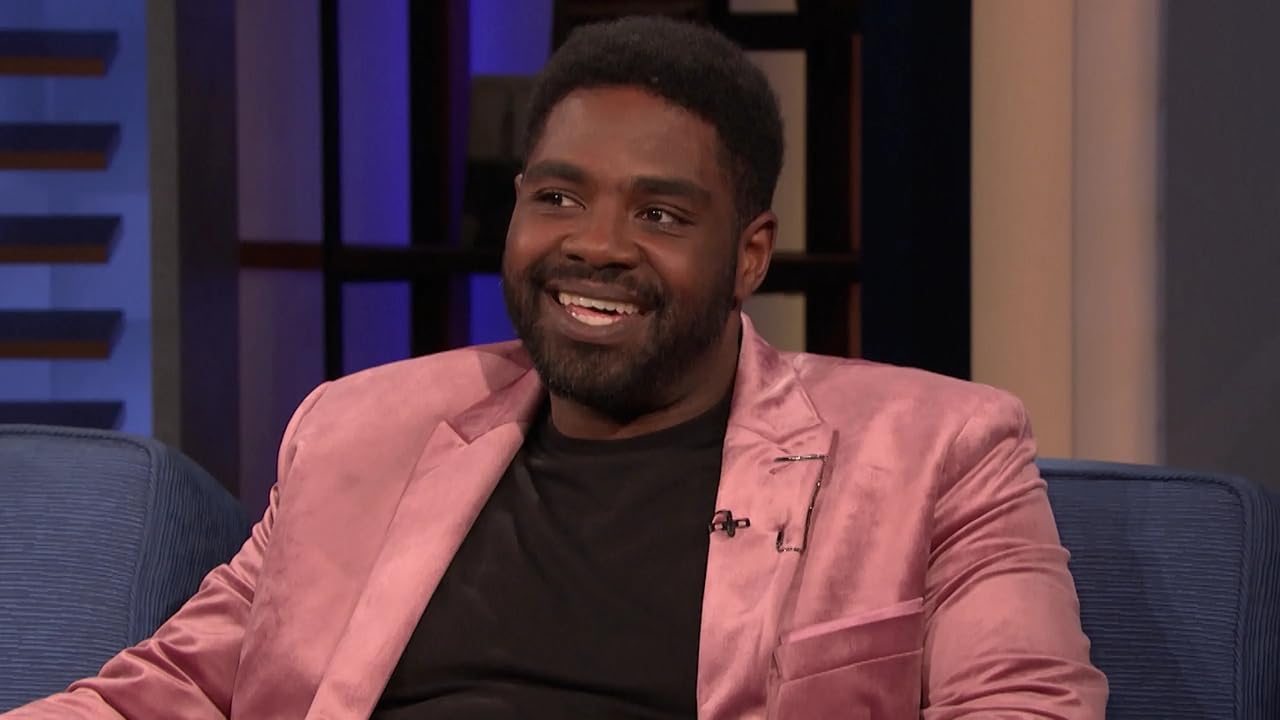
Ron Funches built a career on being the warmest guy in the room, so fans were stunned to hear him describe his time on a hit reality show as “cruel trauma.” After his turbulent stint on The Traitors, the comedian shared that he has been diagnosed with autism and is still processing what that means for his life and work. His decision to talk about it publicly turns a rough TV experience into something closer to a turning point, both for him and for how viewers think about neurodivergent people on screen.
Instead of quietly moving on after his elimination, Funches chose to unpack what happened, from feeling isolated in the castle to being targeted by fellow contestants. That reflection led him to seek an evaluation, and eventually to an autism diagnosis he now calls a victory worth sharing. The result is a rare, unvarnished look at how reality TV pressure can collide with an undiagnosed condition, and how one comic is trying to turn that collision into clarity.
The Traitors, the castle, and the pressure cooker
On The Traitors, the game is built on suspicion, so tension is baked into every interaction long before anyone starts whispering in corners. Ron Funches arrived at the castle as a familiar face from stand-up and scripted comedy, but the format put him in a very different spotlight, one where social cues and snap judgments decide who stays and who gets banished. As a season 4 contestant on The Traitors, he was suddenly navigating alliances, secret murders and public accusations instead of punchlines and applause.
The show’s structure rewards players who can read a room in seconds and weaponize that information, which is a brutal environment for anyone who processes social dynamics differently. Funches has said that the intensity of the castle experience, combined with the constant second-guessing of motives, left him feeling like an outsider even when cameras were not rolling. That sense of being on the wrong wavelength with the group became a key part of how he later described the “cruel trauma” that pushed him to look more closely at how his brain works.
From fan favorite comic to reality TV pariah
Viewers who knew Funches from stand-up and sitcoms expected the same easygoing charm to carry him through the game, but inside the castle, the vibe shifted quickly. Reports describe Ron as something of a pariah during his stint on The Traitors, with other contestants questioning his every move even when they were not fully convinced he was a traitor. The social chill around him became part of the storyline, turning a beloved comic into a convenient target.
By Thursday’s episode of the season, several competitors openly admitted they were not entirely sure he was one of the traitors but wanted to vote him out anyway, a choice that underscored how little trust he had managed to build in the group. Coverage of the show notes that this decision came even as some players conceded they did not fully understand how the game worked, which only deepened the sense that Funches was being treated as expendable. That disconnect between his public persona and his in-game treatment is a big part of why his later explanation resonated so strongly with fans.
“Cruel trauma” and the moment everything cracked
Funches has not sugarcoated how rough the experience felt from his side of the cameras. He has described what happened in the castle as “cruel trauma,” language that cuts through the usual reality TV spin about strategy and gameplay. In his telling, the combination of social exclusion, aggressive suspicion and high-stakes elimination ceremonies left him rattled long after filming wrapped, a reaction that went beyond normal post-show blues. One detailed account of his exit notes that the way his fellow contestants treated him became a catalyst for deeper self-examination.
On social media, he expanded on that idea, explaining that the emotional fallout from The Traitors pushed him to ask why the environment had hit him so hard. That reflection eventually led him to seek professional evaluation, a step he credits directly to the “cruel drama” he experienced on the Show. Instead of treating the pain as something to bury, he framed it as a signal that something deeper was going on, which is how a rough reality TV arc turned into a medical and personal turning point.
Feeling isolated, misunderstood, and out of sync
Long before he had a label for it, Funches knew something about his time in the castle felt off. He has said he felt isolated and misunderstood on The Traitors, as if he were playing a slightly different game than everyone else. That sense of disconnection showed up in small ways, like how he interpreted other players’ jokes or read their body language, and in bigger moments when he struggled to convince the group to see his perspective. In his own words, he “honestly didn’t know” what was behind that gap at the time.
Reporting on his comments notes that he is careful about how he talks about his diagnosis, saying he is not entirely comfortable definitively calling himself autistic until the evaluation process is fully complete. Even so, he has been clear that the show made him reflect on traits he had carried for years without a name, from how he handles anxiety to how he processes conflict. In one interview, he linked those reflections directly to the feeling of being singled out and misunderstood on the show, suggesting that what looked like simple social friction on TV was, for him, something much more fundamental.
The bullying allegation and a costar clash
As fans dissected the season, one storyline kept resurfacing: Funches’ clashes with a particular costar. He has since said that this fellow contestant bullied him, pointing to specific exchanges that left him shaken. In one widely discussed moment, he recalled the other player making a pointed comment about his family, which he later described as crossing a line. The tension between them became a flashpoint for viewers who were already uneasy about how he was being treated in the game.
On Instagram, Funches shared more context, writing about having an anxiety attack and explaining that he initially thought he was simply not cut out for this kind of reality TV environment. Fans rallied in the comments, with one saying, “I love Ron. They were so mean to him,” while Others argued that the costar should not have brought his family into the argument. In response to a question about whether the other contestant might have unconscious bias, he quipped, “Oh, she has conscious bias,” a line later highlighted in coverage of the exchange.
Viewers’ speculation and his decision to speak up
Even before Funches confirmed anything, some viewers had started to speculate online that he might be autistic, pointing to his communication style and reactions in the castle. That kind of armchair diagnosis can be invasive, but in this case, he chose to address the speculation head-on once he had more information. After an episode aired that showed just how isolated he had become in the game, he went on social media to share that he had been evaluated and told he is on the spectrum, calling it a “victory worth sharing” rather than a secret to hide.
He also used that moment to push back on the casual way people talk about mental health and neurodivergence in reality TV discourse. In one post, he said he wanted people to “know what they are dealing with” when they interact with someone who is autistic, a line that was later quoted in coverage of his update. By framing his diagnosis as context rather than an excuse, he invited fans to rethink how they interpret behavior on shows like The Traitors, where editing and high pressure can already distort what viewers see.
How the diagnosis reframed his past
Once he had a name for what he was experiencing, Funches started looking backward. He has talked about how the diagnosis made sense of years of feeling slightly out of step in social situations, from green rooms to writers’ rooms. Traits that once felt like personal quirks or flaws, like needing extra time to process chaotic group dynamics, suddenly fit into a larger pattern. That reframing did not erase the pain of what happened on the show, but it did give him a new way to understand why it cut so deep.
Coverage of his comments notes that he is 42 and has been working in comedy for a long time, which makes the timing of the diagnosis especially striking. In one profile, he reflected on how he had built a successful career while unknowingly working around traits linked to autism, including sensory overload and social fatigue. Another report highlighted that he first started seriously considering autism after viewers and his own family raised the possibility, a process that eventually led to the evaluation he discussed with By Thursday’s episode coverage.
Reality TV, conscious bias, and what the show exposed
Funches’ story has also sparked a broader conversation about how reality shows handle neurodivergent contestants. The Traitors is designed to reward manipulation and suspicion, which can amplify existing social hierarchies and biases. In his posts, Funches suggested that some of the hostility he faced was not just about gameplay but about how certain people respond to someone who communicates differently. His pointed remark that a costar had “conscious bias” rather than just unconscious prejudice landed hard with fans who had already been uneasy about the dynamic.
One detailed recap of his comments quoted that line directly, noting how he contrasted the other player’s behavior with what he later learned about his own autism. That same report pointed out that the show airs on Thursdays in prime time, which means millions watched that dynamic play out without knowing what he was privately processing. The gap between what the audience saw and what he later revealed about his diagnosis has fueled calls for casting teams and producers to think more carefully about support systems for contestants who may be neurodivergent, even if they do not have a formal diagnosis going in.
Turning pain into advocacy and what comes next
Despite everything, Funches has been clear that he does not regret doing the show. He has said that if The Traitors had not put him under that specific kind of pressure, he might have gone much longer without understanding he is autistic. In one interview, he even thanked the series for the “cruel trauma” that pushed him toward clarity, calling the diagnosis a “Victory Worth Sharing” with fans who might see themselves in his story. That mix of candor and optimism is very on brand for a comic who has always leaned into vulnerability on stage.
Since going public, he has continued to work, including on projects like Loot, while also using his platform to talk more openly about autism. One profile noted that he first started stand-up at 36, a detail he has used to remind people that big life shifts can happen later than expected. Another report highlighted how he spoke about his time on The Traitors from a viewer’s perspective after his exit, acknowledging both the entertainment value and the personal cost. By choosing to share his diagnosis now, he is not just closing the book on a tough reality TV chapter, he is opening a new one that could make the industry, and the audience, a little more aware of what people are dealing with.
A comic’s identity, rewritten in public
For a performer whose job is to make people laugh, inviting the world into something as intimate as a neurodevelopmental diagnosis is a big swing. Funches has always woven his life into his act, from parenting to weight loss, so in some ways this is an extension of that honesty. But the stakes feel higher when the topic is autism, a word that still carries stigma in parts of the entertainment industry. By talking about it now, while his Traitors season is still fresh in viewers’ minds, he is letting people rewatch those episodes with new information about what he was carrying.
More from Vinyl and Velvet:

Leave a Reply