

Music has always been a powerful medium for expression, but sometimes that expression doesn’t sit well with everyone. Whether it’s due to explicit lyrics, controversial themes, or just a little too much honesty, some songs have faced the dreaded banhammer. Ironically, getting banned often catapults these songs into the limelight, making them even bigger than they might’ve been otherwise. So, grab your favorite brew, and let’s chat about five iconic songs that were censored and somehow became even more popular because of it.
“Louie Louie” by The Kingsmen
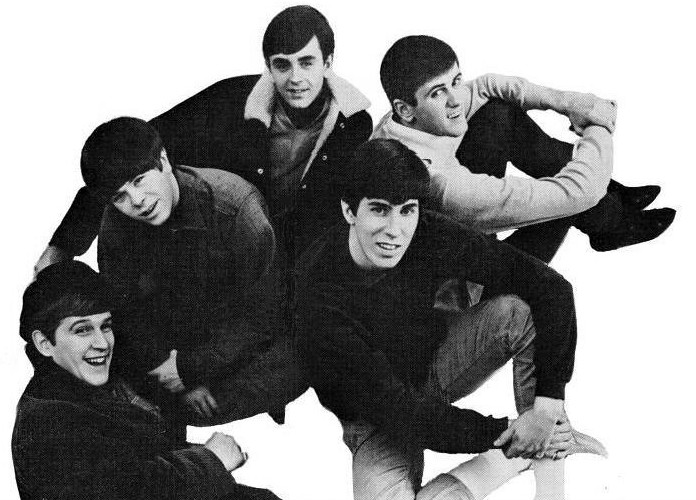
Ah, “Louie Louie.” This catchy tune about a man longing for his lady was so catchy that it became a staple of garage rock. But in 1963, the FBI decided to investigate the song for its supposedly indecipherable lyrics. The agency thought it might be a smutty anthem disguised as a catchy tune. Turns out, they couldn’t find anything scandalous, but the controversy only fueled the song’s popularity.
People loved the idea of something being “forbidden.” It became a rallying cry for rebellious teens and is now often recognized as one of the greatest rock songs of all time. Who knew that a little mystery could do so much for a song’s street cred?
“The Real Slim Shady” by Eminem
Eminem has never been one to shy away from controversy, but “The Real Slim Shady” took it to another level. Released in 2000, this track drew fire for its sharp lyrics aimed at pop culture and celebrity culture, poking fun at everyone from Britney Spears to his own fans. Some radio stations opted to censor certain lines, and you can imagine how well that went over.
Instead of dampening its success, the censorship made people more curious. The song quickly climbed the charts, winning a Grammy and solidifying Eminem’s status as a rap icon. It’s wild how a little censorship can turn a song into an anthem for those who feel misunderstood or just want to laugh at the absurdities of fame.
“I Shot the Sheriff” by Bob Marley
Bob Marley’s “I Shot the Sheriff” is a classic that faced its own share of controversy. When Eric Clapton covered the song in 1974, he faced backlash for the violent imagery in the lyrics. While Marley’s original version painted a picture of a man wronged, the idea of “shooting” someone wasn’t exactly sitting well with radio execs at the time. Cue the bans and censorships.
But guess what? The controversy only made both Marley’s and Clapton’s versions more popular. It sparked conversations about the meaning behind the lyrics and the cultural context. Today, it’s not just a song about violence; it’s a song about societal injustices, and it’s become a timeless anthem for change. Who knew a little controversy could result in such powerful discussions?
“Let’s Get It On” by Marvin Gaye
Marvin Gaye’s “Let’s Get It On” is basically the soundtrack of romance, but it didn’t always get the love it deserved. When it first came out in 1973, some radio stations were hesitant to play the song due to its overtly sexual lyrics. Those who felt it was too risqué ended up getting a surprise: the song skyrocketed to the top of charts. Apparently, people love a little spice in their playlists!
It became an anthem for love, lust, and everything in between. The censorship turned it into a must-listen, and it’s still one of the most celebrated love songs ever. It’s amazing how a little pushback can turn something controversial into a classic that everyone knows the words to!
“Wrecking Ball” by Miley Cyrus
When Miley Cyrus released “Wrecking Ball” in 2013, it was a total game-changer. The music video, featuring her swinging on a wrecking ball in what many deemed an overly provocative manner, sparked a whirlwind of conversation and criticism. Some radio stations opted to censor the song due to its explicit content and the imagery that accompanied it.
But here’s the kicker: the controversy only fueled its success. “Wrecking Ball” became one of Miley’s biggest hits, resonating with fans who were drawn to its emotional depth. It’s a classic case of “there’s no such thing as bad publicity.” Love her or hate her, Miley turned that censorship into a moment that sealed her place in pop culture history.
More from Vinyl and Velvet:

Leave a Reply