

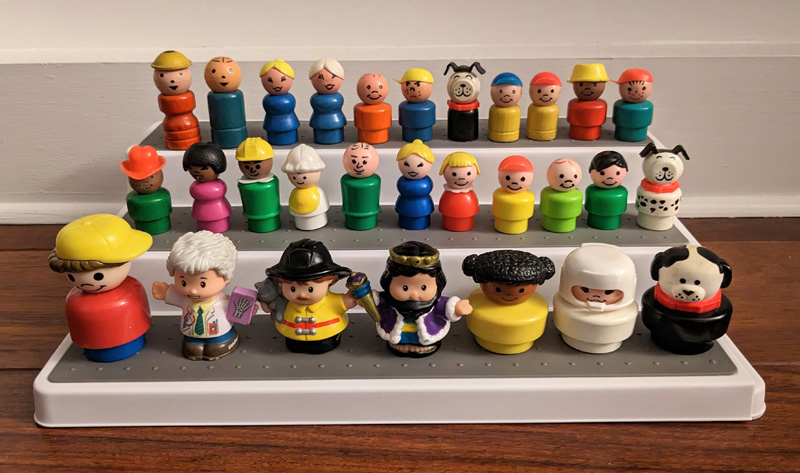
The toys you begged for in the 1970s did more than fill rainy afternoons, they quietly defined what childhood felt like. Today, many of those same playthings have turned into serious collectibles, with prices that would have stunned any kid clutching an allowance. Here are nine toys and toy-like rituals that shaped a ’70s childhood and now carry surprising cultural and monetary weight.
1) Star Wars action figures – the “toys from your childhood” that are now “worth a LOT of money”
Star Wars action figures were the ultimate late‑’70s status symbol, lined up on bedroom shelves and marched through backyard dirt. Collectors now treat those same figures as blue‑chip assets, with guides to the most valuable childhood toys stressing how original figures and playsets can be “worth a LOT of money now.” That shift from toy bin to display case shows how a mass‑market movie tie‑in became one of the most coveted relics of the decade.
The stakes are clearest with characters like Luke Skywalker, where later reporting on a 1978 Luke Skywalker Action Figure notes prices reaching $25,000 for pristine examples, a reminder that what you once tossed in a shoebox can now rival a used car. For you as a former kid, the implication is simple, every scuffed X‑wing or blaster you kept might represent both a powerful memory and a surprisingly valuable asset.
2) Original Barbie dolls – childhood fashion dolls turned high‑value collectibles
Original Barbie dolls were everywhere in the 1970s, from hand‑sewn outfits to sprawling dream houses that took over the living room. Price trackers that list Barbie among the Most Valuable Toys From Your Childhood That Are Worth a Lot of Money Now underline how early dolls, rare outfits, and complete playsets can sell for striking sums. Condition, hair, and tiny accessories that once disappeared under the couch now help determine whether a doll is just nostalgic or genuinely investment‑grade.
For collectors, the brand’s long history means specific eras, including 1970s Malibu styles, are carefully tracked and priced. That attention turns your childhood fashion play into a documented market, where a boxed doll might fund a vacation and a well‑loved one still carries cultural value as proof of how kids experimented with identity, careers, and style long before social media.
3) Hot Wheels and Matchbox cars – pocket‑size racers that now command big prices
Hot Wheels and Matchbox cars were the pocket money purchase of choice, rattling around in metal lunchboxes and racing down orange plastic track. Investment roundups that rank Top Hot Wheels among the childhood toys with the greatest returns spell out how dramatic the shift has been, noting a 1968 Hot Wheels car that originally cost 48p and is now valued at £434.36, an increase of £433.88. That kind of return shows how tiny die‑cast cars turned into serious collectibles.
For ’70s kids, these cars were pure play, traded in the schoolyard and crashed into table legs without a second thought. Today, specific colors, wheel types, and packaging variations are cataloged like fine art. The broader trend is clear, mass‑produced toys can become high‑value artifacts when nostalgia, scarcity, and detailed record‑keeping collide.
4) G.I. Joe figures – from backyard battles to big‑ticket nostalgia
G.I. Joe figures marched straight from television commercials into 1970s backyards, where you dug foxholes and staged elaborate battles. Price guides that group G.I. Joe with other These Toys From Your Childhood Are Worth a LOT of Money Now highlight how certain figures and vehicles now sell for hundreds or even thousands, especially when they still have their tiny weapons and original uniforms. What once got caked in mud is now carefully graded and sealed in plastic cases.
That transformation reflects a broader shift in how you value childhood play. The same articulated joints and detailed accessories that made G.I. Joe feel “real” in your hands now drive collector demand. For brands, it proves that character‑driven toy lines can generate multi‑generational loyalty, turning yesterday’s backyard hero into today’s high‑priced nostalgia.
5) Vintage LEGO sets – bricks that built childhood (and serious resale value)
Vintage LEGO sets were the quiet workhorses of ’70s playrooms, poured out on shag carpet and rebuilt into whatever your imagination could handle. Modern valuations that include LEGO among the most valuable toys from childhood emphasize how complete, well‑kept sets can fetch impressive prices, especially when the box, instructions, and all minifigures survive. The focus on completeness shows how a toy designed for endless rebuilding is now judged on how intact it remains.
For you, that means the space sets, castles, and early town kits you once mixed together might be worth more if you resisted the urge to lose every helmet and window. The trend also signals how construction toys, which quietly taught problem‑solving and design, have become a respected collectible category, blurring the line between plaything and design object.
6) Cabbage Patch Kids – once‑cuddly companions turned investment pieces
Cabbage Patch Kids arrived at the tail end of the 1970s and exploded in the early 1980s, but their roots in that era’s doll culture are unmistakable. Listings that place Cabbage Patch Kids among Lot of Money Now collectibles stress how original adoption papers, clothing, and boxes can dramatically raise prices. The very features that made them feel like “real” babies to you, unique faces and names, now help authenticate and differentiate them in the resale market.
What began as a cuddly companion you dragged everywhere has become a case study in how emotional attachment fuels collecting. For parents and former kids, the dolls’ rising value underscores how quickly a fad can turn into a long‑term asset, encouraging closer attention to storage, documentation, and condition for today’s must‑have toys.
7) Nintendo and early electronic games – childhood gadgets that skyrocketed in value
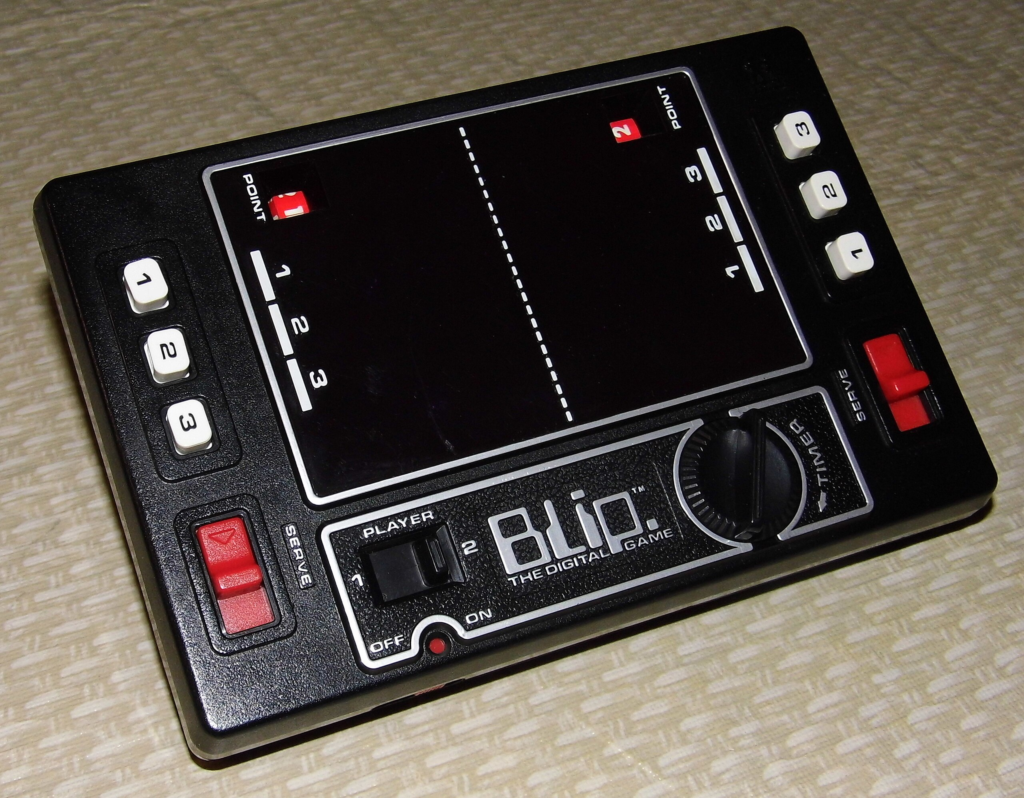
Nintendo and early electronic games marked a turning point in late‑’70s and early‑’80s play, shifting part of your childhood from the backyard to the TV screen. Collectible lists that single out classic game systems as LOT Money Now items show how consoles, cartridges, and handhelds in original boxes can command some of the highest prices in the toy world. Scarce editions and unopened games are especially prized, treated more like rare books than gadgets.
For you, that means the console once hooked up to a wood‑paneled television might now be worth far more than its original sticker price. The broader implication is that technology, often seen as disposable, can become a powerful nostalgia trigger, turning early digital experiences into some of the most aggressively pursued collectibles of the Gen‑X era.
8) Pudding Pops and snack‑time novelties – “forgotten treasures of Gen‑X childhood” kids played around
Pudding Pops and similar freezer treats were not toys in the strict sense, but they functioned like playful collectibles in a ’70s kid’s world. Described as forgotten treasures of Gen‑X childhood, these snacks came with mascots, colorful boxes, and flavors you compared and traded like baseball cards. The ritual of opening the freezer, choosing a favorite, and comparing which box art looked coolest turned dessert into a kind of edible playtime.
That toy‑adjacent excitement shows how branding and packaging shaped your sense of fun as much as plastic figures did. For marketers and cultural historians, these treats illustrate how food companies borrowed toy‑industry tactics, using characters and limited flavors to build loyalty, long before anyone talked about “collectible” packaging on social media.
9) Saturday‑morning cereal boxes and prizes – a “real 70s childhood” play ritual
Saturday‑morning cereal boxes and prizes were as central to a ’70s childhood as any action figure. Accounts of what defined a real 70s childhood describe kids pouring sugary cereal while watching cartoons, then digging for in‑box toys, cut‑out games, and mail‑away offers. The box itself became a play companion, something you read, collected, and sometimes saved for the maze or mask printed on the back.
Those cardboard panels and plastic trinkets rarely survived, which is why intact boxes and unused prizes now intrigue collectors of advertising and pop culture. For you, the weekly ritual of cereal and cartoons shows how play extended into every corner of the kitchen, turning breakfast into a low‑cost, high‑imagination toy experience that still shapes how brands court families today.
Supporting sources: 9 Frozen TV Dinners from the ’70s and ’80s That Defined Childhood, 28 Forgotten 1970s Toys That Defined Your Childhood.
More from Vinyl and Velvet:

Leave a Reply