

You’ve watched trends loop back, technologies vanish, and cultural touchstones age faster than you expected. This article maps nine clear signs that time since the 1990s has sprinted ahead, showing how fashion, family, tech, and media have shifted in ways that make the decade feel both nostalgic and distant.
Expect quick, concrete examples that connect what you remember with what now feels surprisingly old — from gadgets that once seemed futuristic to kids from the 90s becoming parents. Each point will make it obvious why those years already feel like a different era.
Y2K fashion making a huge comeback
You’re seeing low-rise jeans, baby tees, and butterfly clips everywhere again.
These pieces show up on runways, TikTok, and in thrift stores, mixed with modern staples.
You can pair shiny fabrics or cargo pants with sustainable brands to keep the look fresh.
It’s nostalgic but also about personal expression, not strict replication of the 2000s.
Kids born in the 90s now having their own kids
You remember trading Beanie Babies and Tamagotchis, and now you watch a 90s kid push a stroller. It feels odd when the people who shared your mixtapes are scheduling pediatrician appointments.
Your social feed fills with baby pics from faces you grew up with. Time compresses when the soundtrack of your youth becomes a lullaby for the next generation.
The first Harry Potter book is over 25 years old
You probably remember spotting a copy of Harry Potter and the Philosopher’s/Sorcerer’s Stone as a kid.
It first came out in 1997, which means the book that kicked off the whole phenomenon is now well past the 25-year mark.
That reality makes your childhood reading list feel oddly vintage.
If you reread it, some details will seem more dated than the magic — but the story still lands.
Dial-up internet feels like ancient history
You remember the screeching modem tone and waiting for a connection that might drop at any moment.
Now you tap, stream, and video-call without thinking about bandwidth.
Your phone carries more speed and power than whole rooms of 90s gear.
That shift makes the dial-up era feel surprisingly distant, even if it was only a few decades ago.
Social media wasn’t even a thing yet
You remember when catching up meant a phone call or meeting in person, not scrolling a feed.
In the 90s, most online interaction happened in chat rooms, forums, or early blogs — not polished platforms designed for constant sharing.
Your photos stayed on film or a desktop, and viral moments traveled by word of mouth.
That slower pace makes today’s nonstop updates feel like time sped up.
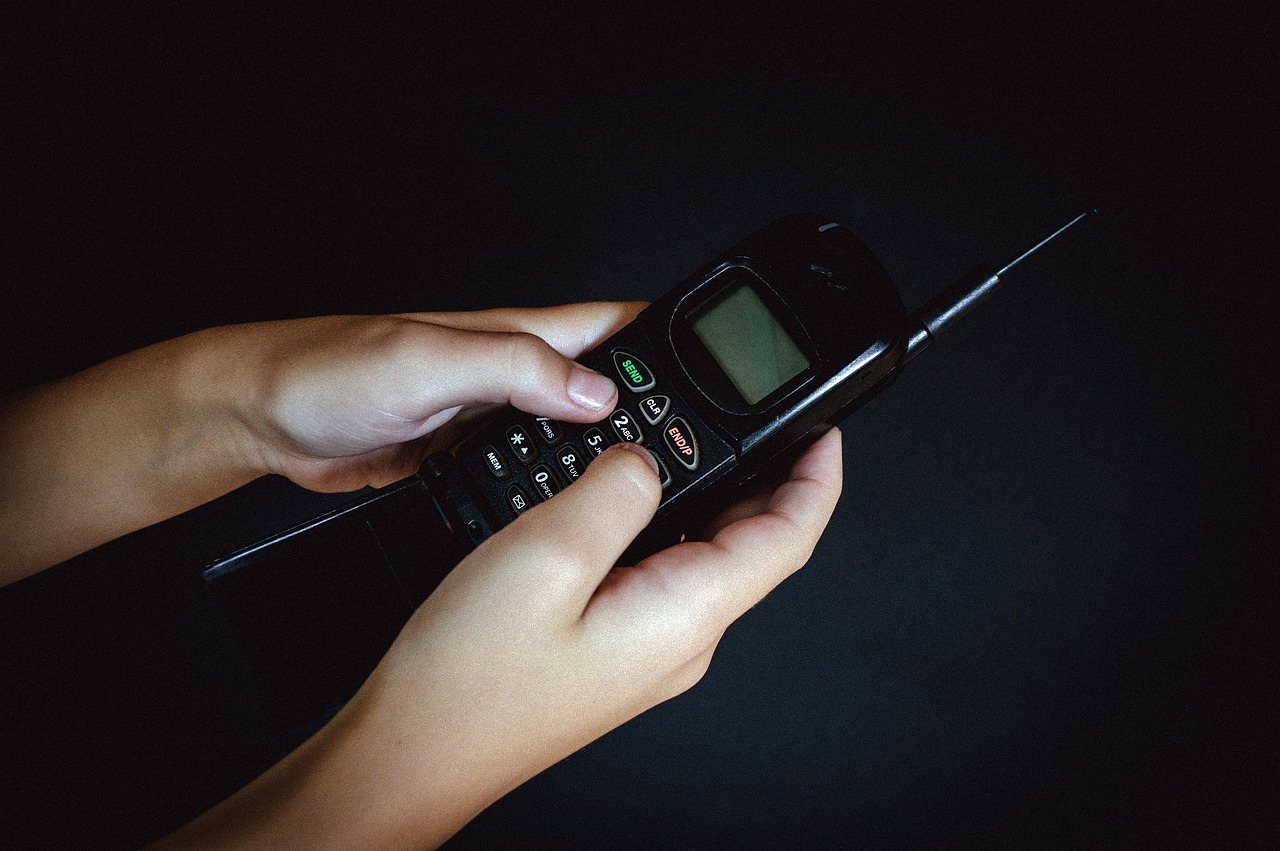
Flip phones were once cutting-edge tech
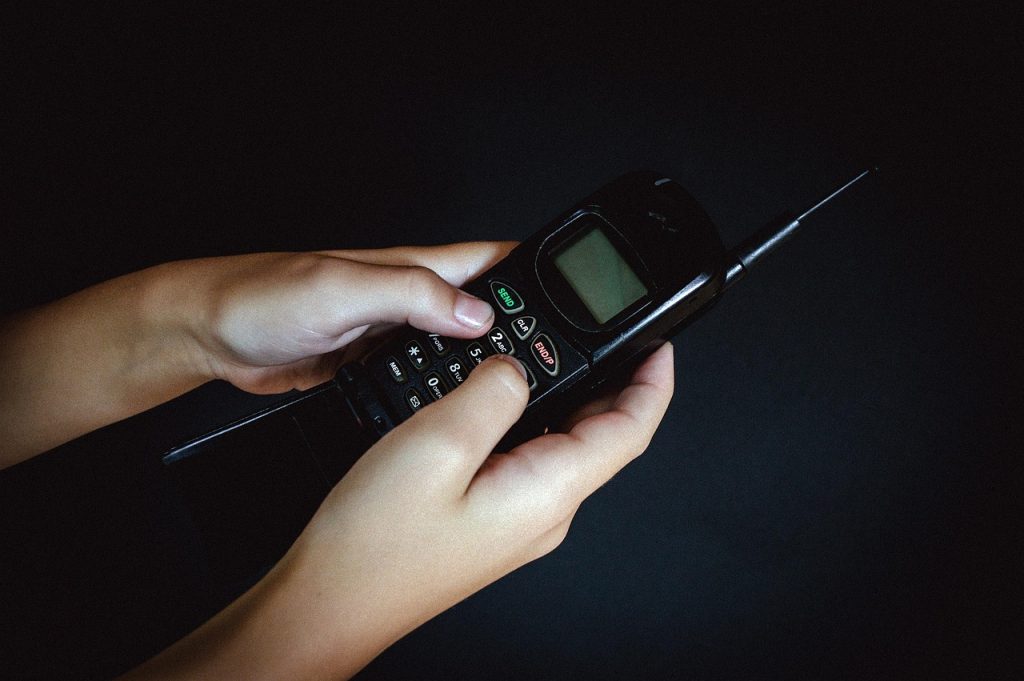
You remember the satisfying snap when you closed a flip phone, and it felt like you’d finished an important call.
Back then, having a compact device with a physical keypad and good battery life felt futuristic.
Companies treated flip designs as high-style tech, and everyone wanted one in the late 90s and early 2000s.
Now those same clamshells hang on as nostalgia or return with modern features you didn’t expect to miss.
The rise and fall of Tamagotchis
You remember feeding, cleaning, and panicking over a tiny pixel pet between classes.
Tamagotchis exploded in the mid‑90s, selling millions and becoming a pocket‑size obsession you couldn’t pause.
Then screens and smartphones ate their attention span.
New tech, changing trends, and playground bans nudged them out of the spotlight, though collectors and nostalgia waves keep them alive in small communities.
Movies like Toy Story are considered “old classics”
You remember the thrill of seeing Toy Story and thinking animation had changed forever.
Now you tell younger friends it’s an “old classic” and they blink like it’s ancient history.
That shift makes time feel weirdly compressed.
You grew up with those films; now they sit in the same nostalgic shelf as black‑and‑white favorites to older generations.
CDs and VHS tapes replaced by streaming
You used to juggle discs and bulky tapes to watch a movie or burn a mix CD for road trips. Now you open an app, search, and start instantly — no rewinding, no shelf space.
The shift feels fast because physical formats faded within a couple of decades. Your playlists and movie collections live in the cloud, and most people rarely touch a VHS or CD anymore.
More from Vinyl and Velvet:

Leave a Reply