

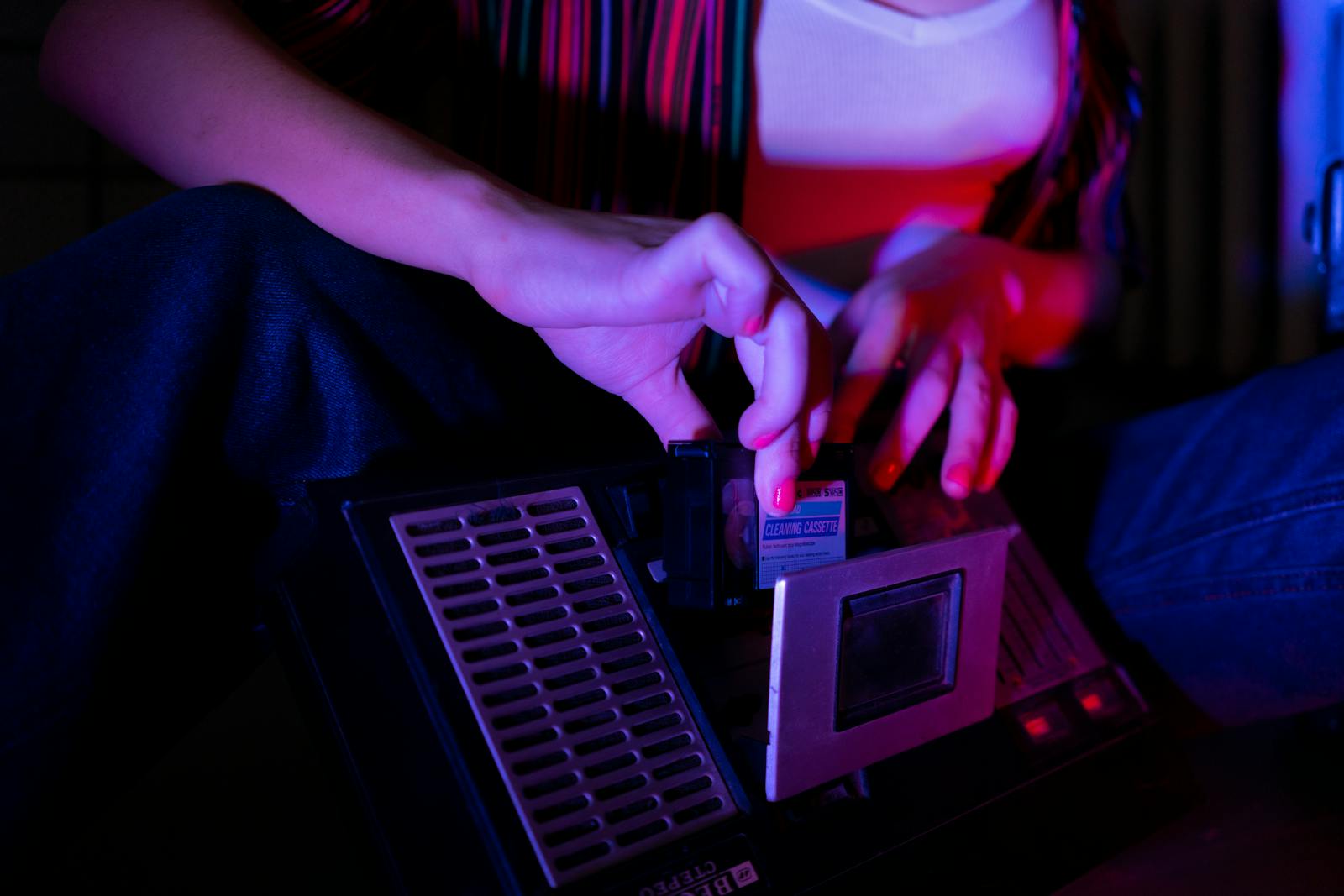
You’re about to revisit a list of everyday tasks that once felt normal but now read like relics of another century. The article shows how routine habits—like waiting by a landline or rewinding a VHS with a pencil—used to shape daily life and why they feel so strange in an always-connected world.
Bold the most important sentence that provides value…
You’ll see why simple chores from the Gen X era now strike you as impractical, nostalgic, or outright bizarre, and what that shift says about how fast technology and social norms changed.
Making prank calls with rotary phones
You had to patiently spin the dial for every digit, which made each call feel like a small performance.
Waiting between numbers added suspense — and time for you to rehearse your fake accent or ridiculous order.
No caller ID meant you could be anonymous, so pranks spread fast among friends.
It was low-tech mischief: memorized targets, whispered giggles, and the risk of getting scolded if caught.
Rewinding VHS tapes with a pencil
You remember returning a rented movie and having to rewind the tape before the counter person checked it in. You’d slide a pencil into the sprocket and twist, saving time and avoiding the wrath of late fees.
It felt oddly mechanical and oddly clever. One wrong twist could jam the tape, so you learned to be careful fast.
Waiting by a landline for a friend to answer
You hovered near the phone, ear tuned to the dial tone, because that call could change your plans.
If it rang once and stopped, you imagined a dozen reasons why they hung up.
You couldn’t text to say you were outside or reschedule in seconds.
You waited, impatient and polite, because one household phone meant everyone’s life paused for a call.
Using payphones with actual coins
You hunted down a glowing payphone on a street corner and fished for the right coins in your pocket. You learned fast which machines ate quarters or gave only static.
You timed your call, judged how many cents a conversation would cost, and sometimes made collect calls when you were out of change. Waiting for someone to answer a payphone felt normal — and oddly public.
Passing mixtapes to impress someone
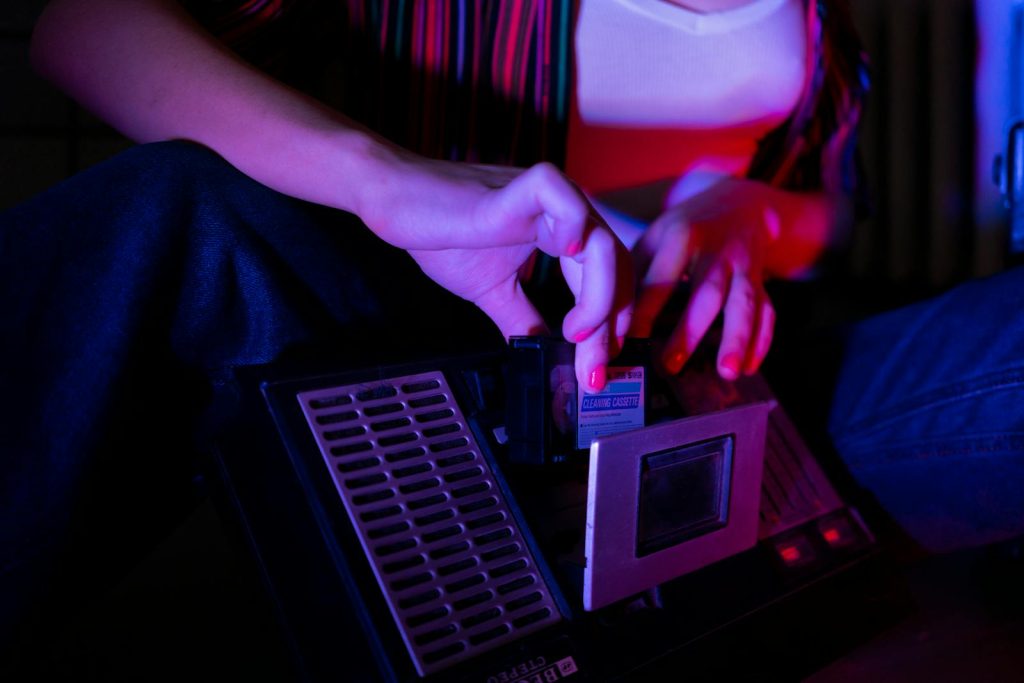
You painstakingly recorded songs one by one, waiting for the DJ to stop talking so the cut was clean.
You slid a cassette across a desk or passed it through a car window, hoping the person would feel the same way about the playlist.
Your selections had to say the right thing without words.
You gambled on taste, timing, and the quality of your tape player to make an impression.
Reading physical encyclopedias for homework
You carried heavy volumes to school and flipped through index pages to find a single fact.
It took patience — and sometimes luck — to pull together a paragraph from entries spread across multiple volumes.
You couldn’t Ctrl‑F or open tabs; your search was literal and slow.
That process taught you how to verify sources and cross‑check details, even if it felt tedious at the time.
Recording TV shows on bulky VCRs
You set the VCR clock, thread a VHS tape, and hope the tape won’t jam.
You timed programs by channel and minute because DVRs didn’t exist.
You wrestled with tracking and rewound after every play.
You felt clever pausing live TV with the remote and freezing actors mid-scene.
You traded tapes, labeled them with markers, and stored stacks on shelves.
You accepted fuzzy picture and occasional tape tangles as the price of time-shifting.
Waiting days for photos to be developed
You shot a roll of film and then handed it over to a store or mailbox.
There was no preview, no delete key — you waited for days to see if your shots worked.
Picking up the envelope felt like opening a tiny time capsule.
Sometimes the photos were perfect, often they were surprises, and occasionally they were disappointments.
Carrying a Walkman with cassette tapes
You lugged a chunky Walkman and a handful of tapes wherever you went, swapping mixtapes between classes or commutes.
Changing songs meant rewinding or fast‑forwarding, and you learned to live with the hiss and occasional jam.
You curated physical playlists—each tape a mood or moment—and traded them like small treasures.
Battery life mattered, and you always carried spares.
More from Vinyl and Velvet:

Leave a Reply