

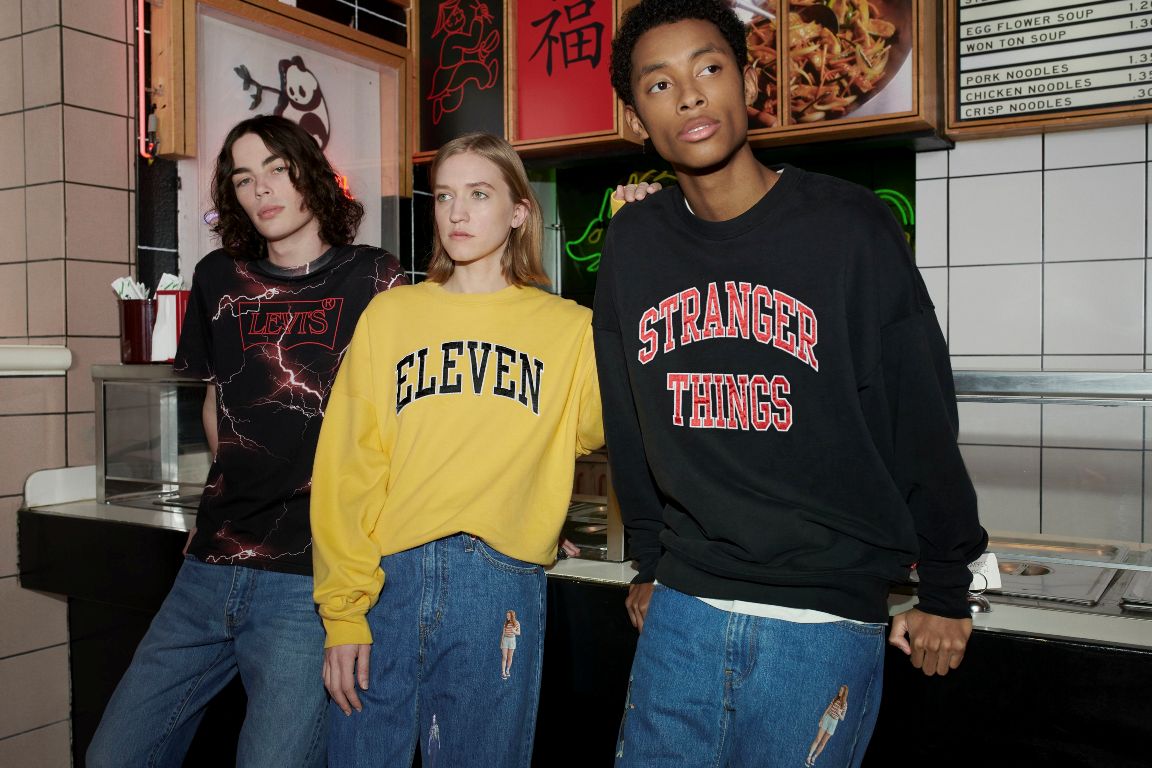
The 1980s never really left, but right now the decade is enjoying a full-scale revival, from small-town main streets to cereal aisles and fashion feeds. You see it in interiors, in the way music legends are reintroduced to new audiences, and even in how list-obsessed media packages nostalgia. Here are nine very different ’80s-flavored comebacks that show how deeply that neon-tinted era still shapes what you love today.
1) Laurel, Mississippi’s “incredible comeback” as an ’80s small-town backdrop returning to the spotlight
Laurel, Mississippi is being held up as an “incredible comeback” story, a once-fading Southern town that has rediscovered itself through creativity, commitment, and a deep well of love. Reporting on the rebirth of Laurel describes how residents leaned into historic storefronts, walkable streets, and neighborly rituals that feel straight out of an ’80s family movie. The town’s name is now shorthand for a certain kind of small-town ideal, where you can stroll from a hardware store to a café and know the people behind every counter.
That comeback has been amplified by television. Laurel is the official filming location for the HGTV home renovation show Hometown starring Aaron and Ben Napier, which turns its streets and Craftsman houses into recurring characters. For viewers, the series revives the cozy, community-centered settings that defined ’80s sitcoms and dramas, but with real residents and real economic stakes. Laurel’s resurgence shows how nostalgia for that era’s small-town optimism can translate into tourism, investment, and a renewed sense of pride.
2) Vintage home trends that are making a comeback in today’s interiors
Inside those revived houses, you are seeing “vintage home trends that are making a comeback,” including plenty of details that would have looked right at home in an ’80s split-level. A guide to vintage home trends highlights the return of bold wallpaper, wood paneling, and statement light fixtures, all reinterpreted with fresher color palettes and higher-quality materials. Instead of ripping out every trace of the past, homeowners are leaning into retro character, from brass hardware to patterned tile that recalls suburban foyers and bathrooms from four decades ago.
For you, the appeal is partly tactile and partly emotional. These finishes evoke childhood living rooms, grandparents’ basements, and the cozy clutter of pre-digital life, yet designers are careful to balance nostalgia with clean-lined furniture and better lighting. The comeback of these trends signals a shift away from stark minimalism toward warmer, more personal spaces. It also shows how the market now values original craftsmanship and period details, which can boost both resale value and daily enjoyment.
3) The all-time best cereals from childhood, ranked, reviving ’80s breakfast nostalgia
The ’80s are also back in your breakfast bowl. A ranking of the all-time best cereals from childhood reads like a roll call of brands that dominated Saturday mornings in that decade, from sugary corn puffs to marshmallow-loaded favorites. These cereals are framed as “best” not just for flavor, but for the memories attached to cartoon mascots, toy prizes, and the ritual of eating in front of the TV while music videos or cartoons played.
Many of those boxes are still on shelves, sometimes with retro packaging that leans directly into ’80s nostalgia. For food companies, the ranking confirms that legacy brands remain powerful, especially with adults who now buy groceries for their own families. For you, grabbing one of these cereals is less about nutrition and more about time travel, a small, affordable way to reconnect with the textures and tastes of childhood without leaving the present day.
4) 1980s design trends that are making a comeback in decor and color schemes
Beyond general vintage vibes, specific “1980s design trends that are making a comeback” are reshaping interiors. A detailed look at 1980s design trends points to Memphis-style geometry, high-gloss lacquer, and neon or pastel color schemes returning to living rooms and offices. Designers are revisiting curved sofas, glass-block accents, and chrome details, but pairing them with contemporary art and restrained styling so the look feels intentional rather than kitschy.
For homeowners and renters, this revival offers permission to have fun with decor again, after years of gray-on-gray minimalism. The resurgence of these motifs also reflects a broader cultural reappraisal of the decade, treating its aesthetics as bold and experimental rather than tacky. When you choose a squiggly lamp or a teal accent wall today, you are tapping into the same appetite for play and optimism that defined much of ’80s pop culture.
5) “My Mom Wore These 9 Trends in the ’80s, and Now I Do Too”: fashion cycles repeating
Fashion is perhaps the most visible arena where the ’80s are back. In a personal yet trend-focused piece titled “My Mom Wore These 9 Trends in the ’80s, and Now I Do Too”, a contemporary writer walks through “9 trends in the ’80s” that she now wears herself. Think strong-shouldered blazers, high-waisted jeans, oversized leather jackets, and power suiting that once filled office towers and nightclubs. The framing makes clear that these are not costumes, but everyday wardrobe staples cycling back into relevance.
For you, this generational echo underscores how style rarely disappears, it just waits for a new audience. The writer’s acknowledgment that she is literally wearing the same kinds of pieces her mom did highlights fashion’s emotional continuity, as well as its sustainability potential when vintage items are pulled from closets instead of landfills. Brands benefit by reissuing archival cuts, while shoppers gain silhouettes that project confidence in a way that feels both nostalgic and sharply current.
6) “9 essential items every household had during the 80s” and how they’re being rediscovered
Not every ’80s comeback is sleek or glamorous. A retrospective on “9 essential items every household had during the 80s, now consigned to the scrapheap of history” catalogs objects that once felt indispensable, from VHS recorders and wired landline phones to bulky televisions and cassette players. The piece stresses that “every household had” these “9 essential items,” yet they are now framed as relics, “consigned to the scrapheap of history” even as people rediscover them in attics and online marketplaces.
For collectors and younger audiences, these gadgets have become retro curiosities and conversation starters. A tape deck or rotary phone on a shelf signals a deliberate embrace of analog slowness in a hyper-digital age. The renewed interest in such items also raises questions about planned obsolescence, e-waste, and how quickly everyday technology can shift from cutting-edge to quaint, giving you a tangible way to reflect on the pace of change since the 1980s.
7) Sly Stone’s new memoir “Thank You (Falettinme Be Mice Elf Agin)” bringing funk-era stories back
Music history from the ’60s through the ’80s is resurfacing through new storytelling, too. A feature on “9 Things We Learned From Sly Stone’s New Memoir ‘Thank You (Falettinme Be Mice Elf Agin)’” emphasizes that Sly Stone has released a “new memoir” using the exact title of his classic song. The book revisits his life and work, which heavily influenced the late ’70s and ’80s funk and soul landscape, from studio innovations to turbulent personal chapters.
For listeners, the memoir’s arrival is a reminder that the sounds shaping today’s pop, hip-hop, and R&B are rooted in that earlier era. The renewed attention around Sly Stone’s stories invites you to revisit albums, live performances, and collaborations that might otherwise fade into background playlists. It also shows how veteran artists can reclaim their narratives, reaching younger readers who know the samples but not always the source.
8) “9 Things We Learned” about Sly Stone as a lens on enduring ’80s music influence
The “9 Things We Learned” format itself is part of the comeback story. By organizing insights from Sly Stone’s memoir into nine digestible takeaways, the same coverage of his memoir packages a complex legacy into a list that feels instantly clickable. Each item distills a different facet of his influence, from band dynamics to cultural impact, making decades of music history accessible in a single scroll.
For you, this structure mirrors how streaming platforms and social media already serve content, turning deep dives into bite-size chapters. It also reflects how ’80s-era music is being reframed for modern attention spans without losing its weight. The list format becomes a bridge, connecting long-time fans who lived through the funk era with newcomers encountering Sly Stone’s name for the first time in a headline.
9) The power of “9”: how ’80s nostalgia is being organized into neat lists of trends, items, and lessons
Across these examples, the number “9” keeps resurfacing as a neat container for nostalgia. You see it in the fashion piece framed around “9 trends in the ’80s,” in the technology retrospective on “9 essential items every household had during the 80s,” and in the music feature promising “9 Things We Learned” from Sly Stone’s memoir. Each list uses nine entries to balance depth with brevity, enough to feel substantial without overwhelming.
For media creators, this recurring structure is a way to standardize how ’80s memories are revisited, whether the subject is shoulder pads, VCRs, or funk legends. For you, it turns a sprawling decade into manageable chapters, encouraging quick hits of recognition and discovery. The numerical echo reinforces that the 1980s are not just drifting back in isolated trends, they are being carefully curated, counted, and reintroduced as a series of comebacks you can browse, wear, watch, and play.
More from Vinyl and Velvet:

Leave a Reply