

Everyday life in the 1950s revolved around a tight set of household tools you used constantly, from the moment you woke up to the time you went to bed. If you grew up in that decade, you probably remember how these nine items shaped your routines, structured family time, and defined what “modern” comfort meant in an American home.
1. Rotary-Dial Telephones
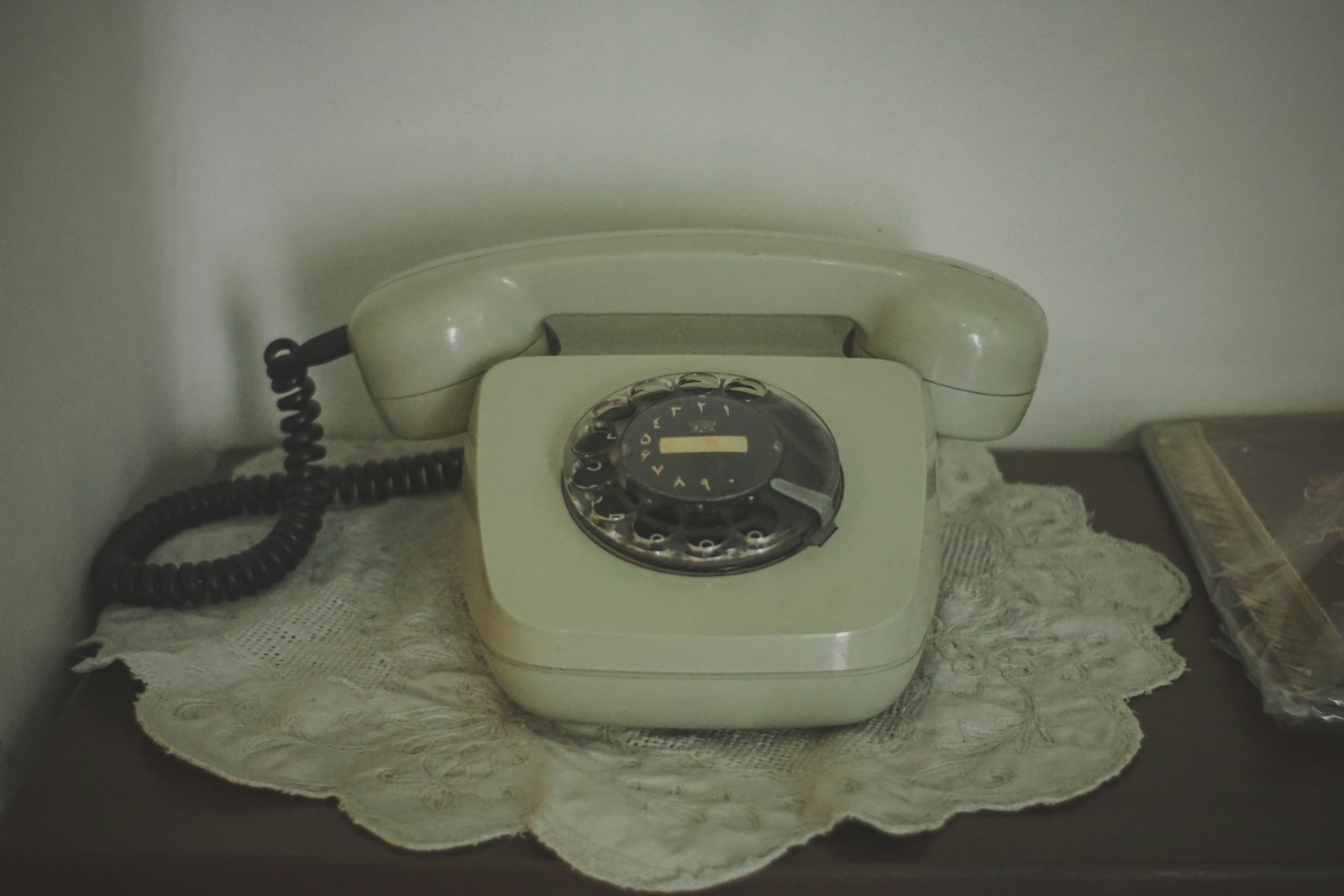
Rotary-dial telephones were the communication backbone of a 1950s household, and kids from that era remember them as a daily essential for staying in touch with relatives, neighbors, and local businesses. As dial service expanded, simply placing a call required you to master the circular motion of the numbered dial, a ritual that older adults now recall as second nature. Historical explainers on how to use a rotary dial phone show how this technology turned voice calls into a routine skill every family member needed.
Because there were no text messages or social media, the stakes of a missed call felt higher, whether you were waiting for a doctor, a school notice, or news about a job. Party lines in some neighborhoods meant you shared a connection with other households, so etiquette and timing mattered. That daily dependence on a single device for urgent updates and casual chats alike helped cement the rotary phone as one of the most memorable fixtures of midcentury domestic life.
2. Black-and-White Televisions
Black-and-white televisions quickly became the centerpiece of the 1950s living room, and kids from that decade remember gathering around them every day for shows and news. As ownership surged, sets turned evening broadcasts into shared family events, with children sprawled on the floor while parents followed current affairs. A short video on Old phones and early TVs notes that the 1950s saw an explosion of television ownership, transforming TV from a novelty into a household staple.
That daily viewing habit did more than entertain you, it synchronized your schedule with national programming and advertisers. Families planned dinner and homework around favorite series, while televised news shaped how you understood politics, culture, and global events. The glow of a black-and-white screen also shifted social life indoors, pulling neighbors and friends into living rooms for big broadcasts and making television one of the decade’s most powerful shapers of opinion and routine.
3. AM Radios
AM radios filled 1950s homes with a constant stream of sound, and kids from the era remember them as everyday companions for news, music, and serialized shows. Compact tabletop sets or built-in console units meant you could tune in from the kitchen, bedroom, or garage, often before anyone turned on the TV. Lists of Things Found in Every American Household highlight the Radio as a standard feature, underscoring how common it was to start and end the day with a familiar station.
Because AM broadcasts reached wide regions, your daily listening linked you to distant cities and national trends, from emerging rock-and-roll to breaking weather alerts. That constant audio backdrop shaped mood and pace, much like playlists and podcasts do now. For advertisers, the radio’s presence in nearly every room meant a direct line into household decisions, influencing what you bought, where you shopped, and even which movies you wanted to see on the weekend.
4. Morning Newspapers
Morning newspapers landed on 1950s doorsteps with clockwork regularity, and kids from that time remember them as part of a daily breakfast ritual. Parents unfolded the front page while children scanned comics or sports scores, turning the kitchen table into an informal briefing room. The habit of reading print first thing in the morning parallels how many people now follow structured routines, such as the early-day habits recommended in guides to things women over 50 should do every morning, which emphasize starting the day with intention.
Because the paper arrived once a day, editors decided which stories would shape your understanding of politics, local crime, and international crises. That gatekeeping power meant headlines could influence dinner-table debates, voting decisions, and community priorities. For children, seeing adults pore over the paper modeled a respect for current events and literacy, embedding the idea that being informed was part of responsible adulthood.
5. Milk Bottles from the Milkman
Milk bottles from the milkman were a defining sight on 1950s porches, and kids remember those glass containers arriving daily for use in the family refrigerator. Delivery routes brought fresh dairy directly to your doorstep, often before sunrise, so breakfast and baking supplies were always on hand. Retrospectives on 25 things that used to be everywhere in the 1950s point to milk bottles on your porch as a classic example of everyday history that has largely disappeared.
This routine shaped how you thought about freshness, packaging, and waste, long before plastic jugs and supermarket coolers dominated. Empty bottles signaled it was time for the next delivery, creating a simple, closed-loop system of reuse. For families, reliable milk service supported everything from children’s nutrition to coffee breaks, while for local dairies, it meant a steady, predictable relationship with neighborhood households that anchored small-business economies.
6. Clothing Irons
Clothing irons were in near-constant use in 1950s homes, and kids from that era remember them as a daily tool for keeping outfits crisp. With more structured fabrics and social expectations for polished appearances, you or a parent likely spent part of each day pressing shirts, dresses, and school uniforms. That focus on neatness parallels modern advice about starting mornings with purposeful tasks, similar to how experts now encourage early routines that support health and productivity, including the kind of structured habits discussed in tips on brain health every day.
The iron’s presence on the kitchen table or ironing board also reflected gendered divisions of labor, as women were often expected to manage this meticulous chore. Yet the results carried real social stakes, since wrinkled clothes could be read as a sign of carelessness at work, school, or church. In that context, the daily ritual of ironing was not just about fabric, it was about signaling respectability and meeting the era’s strict standards of public presentation.
7. Wringer Washing Machines
Wringer washing machines were workhorses of 1950s laundry rooms, and kids remember them as essential for daily or near-daily washing cycles. These machines agitated clothes in a tub, then fed heavy, wet garments through a hand-operated wringer, a process that demanded attention and care. A look at ringer washing machines in midcentury appliance roundups shows how they symbolized a major step up from washboards, even as they required significant manual effort.
Because laundry could not be postponed easily, especially in larger families, the wringer schedule shaped household rhythms and children’s chores. Safety was a constant concern, with fingers and buttons at risk of getting caught between rollers, so kids learned early to respect the machine’s power. The daily grind of sorting, washing, wringing, and hanging clothes underscored how much invisible labor went into the clean outfits that defined the decade’s polished look.
8. Electric Refrigerators
Electric refrigerators were a cornerstone of 1950s kitchens, and kids from that decade remember them as vital for daily food storage and meal preparation. Instead of relying on iceboxes, families could keep meat, dairy, and leftovers safely chilled, which changed how often you needed to shop and what you could cook. Lists of Every American Household staples highlight the Refrigerator as a standard feature, confirming how central it was to midcentury domestic life.
Reliable cold storage also encouraged the rise of convenience foods and frozen items, reshaping diets and expectations for variety. For homemakers, planning weekly menus became easier, since ingredients stayed usable longer and waste decreased. The refrigerator’s humming presence in the kitchen marked a broader shift toward electrified, time-saving appliances that freed up hours for other tasks, even as they nudged families toward new patterns of consumption and brand loyalty.
9. Pop-Up Toasters
Pop-up toasters turned breakfast into a quick, predictable ritual, and 1950s kids remember them as a daily fixture on the kitchen counter. With a simple lever and timer, you could transform sliced bread into toast in minutes, often while the rest of the meal came together. The toaster’s role in morning routines mirrors how modern households lean on efficient habits, similar to the streamlined checklists of things professional cleaners do every morning to keep days running smoothly.
Because toast paired easily with butter, jam, or eggs, it became a flexible base for both rushed school mornings and slower weekend spreads. The familiar pop and smell of browning bread signaled that it was time to gather at the table, reinforcing family connection before everyone scattered. In a decade that prized orderly schedules and home-centered life, the humble toaster quietly supported nutrition, routine, and a sense of comfort that many people still associate with their 1950s childhood kitchens.

Leave a Reply