

Across the 1950s, many kids treated everyday toys and paper goods as disposable fun, never imagining they would become serious collectibles. Today, those same items are surfacing in attics and closets as valuable relics of mid-century life, especially when they survive in clean, original condition. If you grew up in that era, or inherited boxes from someone who did, these classic ’50s possessions might now be worth a closer look.
1) Comic Books
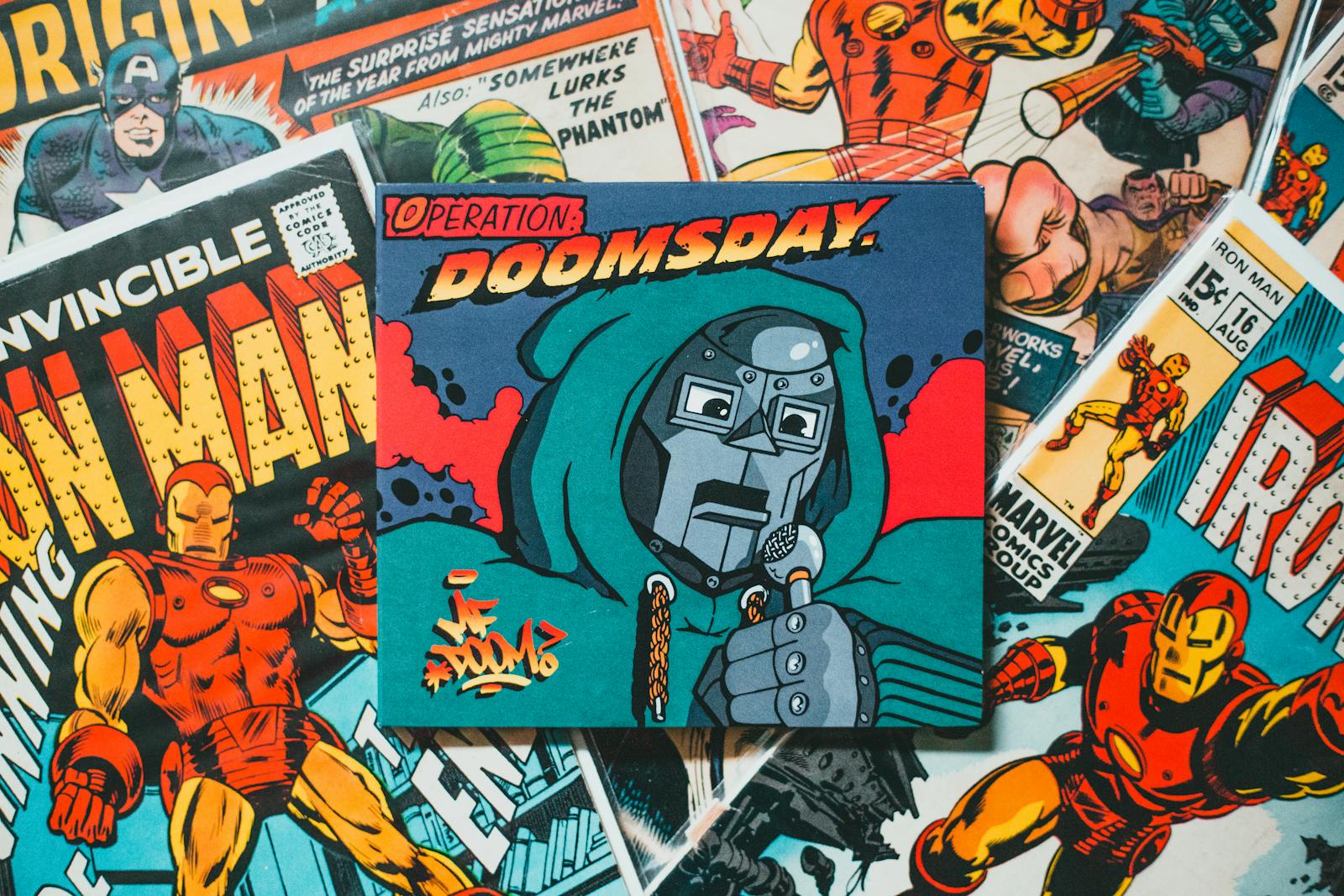
Comic books were a staple in ’50s living rooms and bedrooms, stacked on nightstands and traded on school buses. Kids followed superheroes, Westerns, and funny-animal stories issue by issue, often reading them until the covers fell off. Because so many copies were handled roughly or tossed out, surviving examples in high grade are scarce. That scarcity, combined with the cultural impact of early superhero and horror titles, has turned vintage comic books into serious collectibles.
Modern price guides and auction results show that key issues can command four or five figures, especially when professionally graded. Broader reporting on things in your attic worth money repeatedly highlights comics as a category where condition and first appearances drive value. For you as an owner or heir, that means even a small stack of mid-century issues, stored flat and dry, can represent a meaningful windfall rather than just nostalgic clutter.
2) Baseball Cards
Baseball cards were another everyday obsession, with ’50s kids flipping, trading, and clothespinning them to bicycle spokes. Sets featuring stars of the era often came bundled with gum, so many cards were stained, creased, or discarded. That rough treatment is exactly why intact stacks of vintage baseball cards from your parents’ house can now be worth real money. Iconic players, complete team runs, and early rookie issues are especially sought after.
Collectors pay premiums for sharp corners, bright color, and original gloss, and rare variations can multiply a card’s value. Broader coverage of Old Household Items From Our Grandparents That Are Worth a Fortune Today shows how seemingly minor paper goods can sell for far more than their original cost. For families sorting through shoeboxes, that means every rubber-banded pile deserves a careful review before it ends up in the trash.
3) Marbles
Marbles rolled through nearly every ’50s playground, with kids carrying cloth bags filled with cat’s-eyes, swirls, and handmade-looking shooters. These small glass spheres were inexpensive and widely available, so few people treated them as anything more than pocket change. Over time, however, distinctive colors, patterns, and early manufacturing styles have turned vintage marbles into a niche collecting field. Reporting on childhood items notes that Annual toy sales were about $84 million in 1940, according to History.com, and But thanks to the boomer effect, that figure had grown to $900, underscoring how many toys survived in some form.
Within that huge pool, unusual marbles with strong eye appeal or clear provenance can stand out. Collectors look for bright, unfaded glass, minimal chips, and original containers or tins. For you, that means a dusty jar on a basement shelf might contain individual pieces worth more than the entire jar once cost, especially if the marbles show early or limited-run designs tied to mid-century production.
4) Yo-Yos
Yo-yos were a classic skill toy in the 1950s, with kids practicing tricks on sidewalks and at school competitions. Many families kept several on hand, often branded with logos or promotional artwork. Over time, plastic models replaced earlier wood and metal designs, and most well-used toys were lost or broken. Surviving vintage yo-yos from the era, especially those tied to While premium toy lines, now attract collectors who prize original finishes and intact packaging.
Enthusiasts focus on early examples from major makers, limited promotional runs, and models that document the evolution of yo-yo technology. Condition again drives value, with uncracked bodies and smooth spinning mechanisms commanding higher prices. For owners, that means a forgotten yo-yo in a desk drawer is not just a childhood keepsake, it can also be a small but meaningful asset in the broader vintage toy market.
5) Slinkys
The Slinky, a simple metal spring that “walked” down stairs, was a fixture in ’50s toy chests. Kids stretched, tangled, and re-coiled them endlessly, which is why pristine early examples are surprisingly hard to find. First-generation metal Slinkys now appear alongside other Old Household Items From Our Grandparents That Are Worth a Fortune Today, especially when they retain their original boxes and graphics. Collectors appreciate how these toys capture the optimism and ingenuity of postwar design.
Later plastic versions are more common, but early metal runs from the late 1940s into the ’50s tend to draw the strongest interest. For you, the key is to check for intact coils, readable logos, and any paperwork or inserts that might still be tucked inside the box. Those small details can significantly increase what a buyer is willing to pay for what once cost only pocket change.
6) Hula Hoops
Hula hoops exploded into a national craze in the late 1950s, with kids spinning them in backyards, schoolyards, and living rooms. At the height of the fad, it seemed like every household had at least one, often in bright plastic colors. While most were eventually cracked or thrown away, authentic 1958 hula hoops in original packaging now attract collectors who specialize in mid-century pop culture. The packaging, graphics, and materials help confirm that a hoop dates to the original boom rather than a later revival.
Because these toys were so large and awkward to store, intact examples are less common than their popularity suggests. For owners, that scarcity translates into higher prices, particularly when a hoop still carries its original label or store tag. In a market that values visual impact, a bright, unused hoop can double as both a nostalgic artifact and a striking piece of wall art.
7) View-Masters
View-Masters brought three-dimensional scenes into ’50s living rooms, letting kids click through reels of travel images, cartoons, and movie tie-ins. Families often kept stacks of reels alongside the viewer, treating them as quiet entertainment on rainy days. Today, complete sets of vintage View-Masters with their original reels and sleeves are recognized as collectible, especially when they feature classic Disney stories or mid-century travel destinations that no longer look the same.
Collectors pay attention to matching reels and viewers, early materials, and themed sets that remain together. For you, that means a shoebox of reels is more valuable when kept as a group rather than split up. In the broader antiques market, these compact viewers illustrate how modest plastic gadgets can gain significance as visual records of how families saw the world in the 1950s.
8) Etch A Sketches
Etch A Sketches arrived in late-’50s playrooms as a new kind of drawing toy, using internal aluminum powder and magnetic controls to create erasable line art. Kids twisted the knobs to sketch houses, cars, and stick figures, then shook the screen clean to start again. Early units from the Ohio Art Company were often used heavily, so mint-condition Etch A Sketches with crisp screens and intact frames are now harder to find. Collectors especially value examples that still have their cardboard boxes and instruction sheets.
Because the toy remained popular for decades, identifying late-’50s production can require careful attention to logos and manufacturing marks. For owners, that detective work can pay off, since early runs help document the shift toward more interactive, technology-inspired toys. In a market that prizes design history, a clean Etch A Sketch is both a conversation piece and a tangible link to the dawn of electronic-style play.
9) Trading Stamps
Trading stamps, such as S&H Green Stamps, were a quiet but constant presence in ’50s kitchens and wallets. Shoppers collected them at grocery stores and gas stations, then pasted them into booklets to redeem for household goods. Full books of mid-century trading stamps now appeal to collectors who study advertising, retail history, and the evolution of loyalty programs. These paper remnants capture how families stretched budgets and participated in a growing consumer culture.
Complete, neatly filled books tend to be more desirable than loose, partially used pages, especially when they feature recognizable brands or regional chains. For you, that means a stack of old stamp books in a drawer is more than a curiosity, it is documentary evidence of how earlier generations shopped and saved. In the right collecting circles, those intact books can command prices that far exceed their original redemption value.

Leave a Reply