

If you grew up in the 1950s, your childhood probably included at least one treasured collection carefully stashed in a shoebox, cigar tin, or dresser drawer. From sports heroes to shiny pocket change, kids in that era turned everyday objects into prized possessions. Here are nine things every ’50s kid seemed to collect, and why those simple stashes still resonate with you today.
1) Baseball Cards
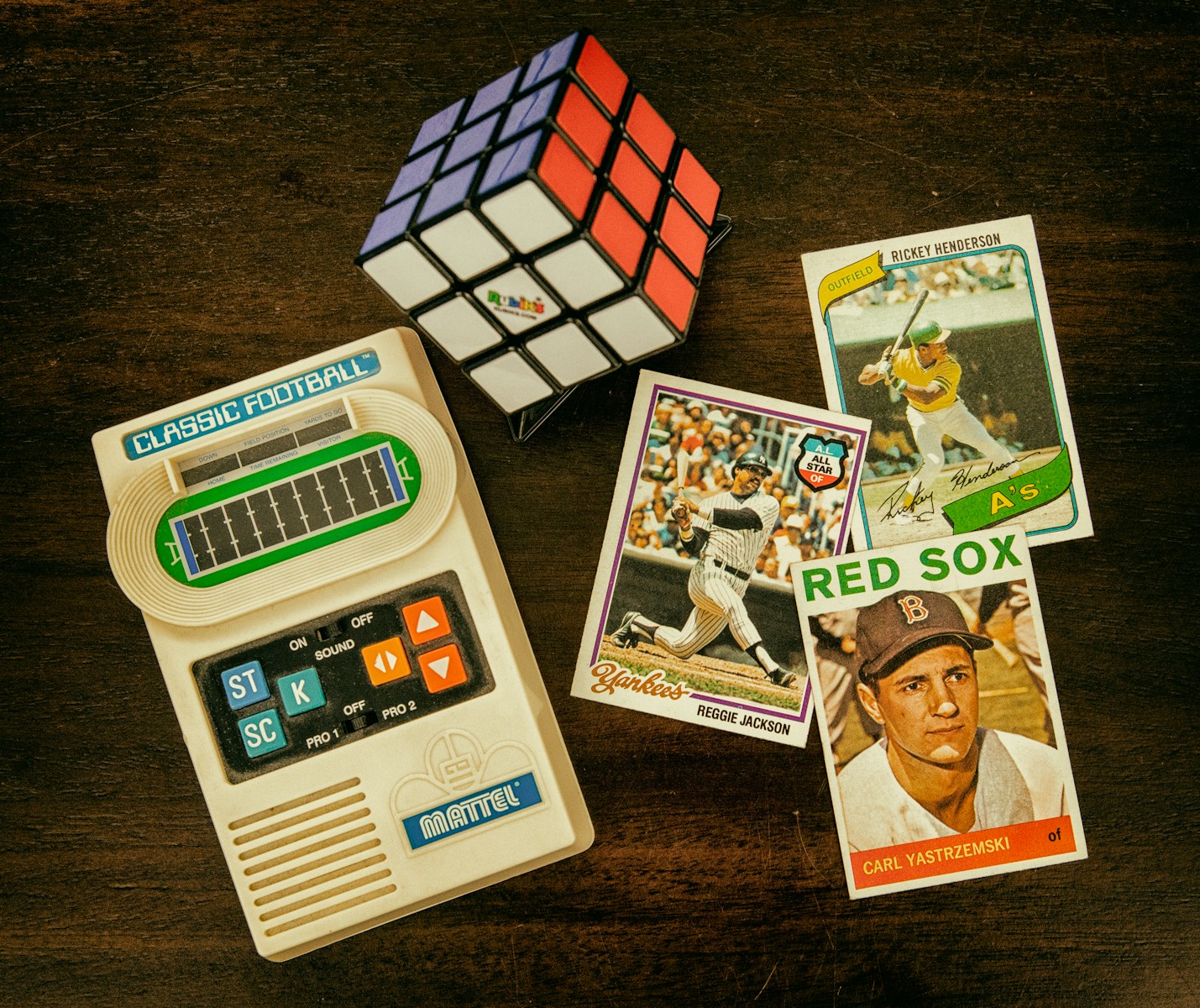
Baseball cards were the undisputed king of 1950s kid collections, and you likely remember chasing cardboard portraits of stars like Mickey Mantle to complete your stack. Guides to vintage kid hobbies describe baseball cards as a classic mid‑century collectible, traded on playgrounds and tucked into boxes to preserve favorite sports heroes. That mix of statistics, team colors, and bubble‑gum scent turned a simple piece of cardboard into something you could obsess over for hours.
Personal recollections, such as one writer who recalled that he and his brother “used to collect baseball cards” in a nostalgic piece titled “Do you collect anything?”, show how deeply those cards shaped childhood memories. For you, the stakes were more than monetary value, they were about belonging to a trading circle, learning the game’s history, and feeling connected to big‑league legends from your own bedroom floor.
2) Comic Books
Comic books were another essential part of a 1950s kid’s stash, especially if you were drawn to bold colors and cliff‑hanger plots. Collecting stacks of comic books from publishers like DC and Marvel meant you could follow superheroes from issue to issue, re‑reading favorite battles until the covers softened. The same guides that highlight baseball cards as vintage treasures also point to comics as a beloved staple, saved in piles under beds or in closets.
For you, the habit of saving every issue turned casual reading into a long‑term hobby, one that quietly taught you about serial storytelling, artwork, and even basic economics as you weighed which titles to buy with limited allowance money. Those stacks also signaled your identity to friends, whether you were loyal to Superman, Batman, or the growing Marvel roster, and helped shape the broader pop‑culture boom that still drives superhero fandom today.
3) Marbles
Marbles gave 1950s kids a reason to carry their collections straight onto the playground. Guides to mid‑century hobbies describe glass marbles in swirling colors and patterns as enduring collectibles that doubled as game pieces during recess. You might remember cat’s‑eyes, agates, and shooters lined up in chalk circles, each one both a toy and a tiny work of art.
Because you could win or lose marbles in games, the collection was always in flux, which raised the stakes every time you knelt in the dirt. That constant risk taught you about chance, strategy, and sportsmanship, while the visual appeal of the glass itself sparked an early appreciation for design. In many neighborhoods, your marble bag functioned like a portable trophy case, signaling skill and status among classmates.
4) Stamps
Stamp collecting appealed to 1950s kids who were curious about the wider world, even if they never left their hometown. Hobby guides from that era describe stamp collecting as a widespread pursuit, with children assembling albums of international postage acquired through mail, relatives, or family travels. Each tiny rectangle carried images of presidents, landmarks, and far‑off countries, turning your bedroom desk into a miniature atlas.
For you, carefully hinging stamps into albums encouraged patience and organization, and it often became a shared project with parents or grandparents who passed along envelopes from work or overseas friends. The broader impact was educational, since those albums quietly introduced geography, history, and politics long before you encountered them in school. In many cases, stamp collections became heirlooms, linking generations through a common, methodical hobby.
5) Coins
Coins were another simple but irresistible 1950s collection, especially if you liked the feel of real money in your hands. Guides to kid‑friendly collectibles note that coins often ended up in jars, with children saving wheat pennies, Buffalo nickels, and other interesting finds from everyday change. You might have lined them up by year, mint mark, or design, hunting for that one missing date to complete a run.
Because coins were tied directly to value, your collection doubled as an early lesson in saving and scarcity. You learned to check every handful of change, ask relatives to look through their pockets, and maybe even visit banks to swap rolls in search of rarities. That habit still shapes adult collectors today, and for you it meant understanding that history and economics could sit quietly in a coffee can on the closet shelf.
6) Bottle Caps
Bottle caps turned everyday refreshments into a collecting opportunity for 1950s kids. Vintage hobby lists mention bottle caps from popular sodas as quirky treasures, pried off glass bottles and sorted by brand logos and colors. You might have lined up Coca‑Cola, Pepsi‑Cola, and regional soft drinks in rows, comparing tiny design differences that most adults ignored.
Later generations have echoed that impulse, with one discussion titled “What did you collect as a kid? I collected bottle caps like …” recalling how caps sat alongside coins, stamps, rocks, stickers, and pens in childhood stashes. For you in the 1950s, the stakes were social as much as nostalgic, since a big, colorful pile of caps could spark trades, games, or simple bragging rights at the corner store.
7) Rocks and Minerals
Rocks and minerals gave outdoorsy 1950s kids a reason to turn every walk into a treasure hunt. Guides to vintage collections describe rocks and minerals as a natural pursuit, with children labeling specimens from local creeks, fields, and construction sites. You might have filled cigar boxes with quartz, smooth river stones, or glittering fragments that caught your eye.
Modern conversations about geology, including one detailed explanation that “igneous rocks are almost entirely silicate minerals, things like quartz, feldspar, mica, and pyroxene,” in a story about a sold rock collection and minerals, show how those childhood boxes can evolve into serious scientific interest. For you, the stakes were both emotional and educational, since each labeled stone represented time spent outside, curiosity about Earth’s layers, and a first step toward understanding geology.
8) Autographs
Autographs captured the excitement of celebrity culture as it exploded in the 1950s. Collecting autographs from icons like Elvis Presley or favorite athletes turned brief encounters into lasting proof that you had brushed shoulders with fame. Kids kept signed scraps of paper, programs, and ticket stubs in envelopes or albums, revisiting them whenever they wanted to relive the moment.
For you, the value of an autograph was less about resale and more about personal connection, a physical link to the performers you heard on the radio or saw on black‑and‑white television. That habit foreshadowed today’s fan culture, where signatures, selfies, and memorabilia still serve as social currency. In the 1950s, though, a single inked name could anchor an entire collection and spark endless storytelling among friends.
9) Trading Cards
Beyond baseball, trading cards of all kinds rounded out the typical 1950s kid’s collection. Vintage hobby lists highlight non‑sports trading cards tied to movies, television shows, and even breakfast cereals, which you and your friends swapped just as eagerly as sports issues. Cereal premiums and promotional sets turned grocery shopping into a small event, since a new box might hide the next card you needed.
These cards helped you navigate the growing world of mass media, from Westerns to sci‑fi adventures, by giving you tangible tokens of your favorite stories. The trading rituals also taught negotiation and fairness, as you weighed whether a rare character card was worth parting with several commons. In a decade defined by booming consumer culture, those little rectangles captured the intersection of advertising, entertainment, and childhood imagination.

Leave a Reply