

Certain objects from the 1960s can transport you back in an instant, conjuring living rooms lit by tube TVs, shag carpets, and Saturday-morning commercials. These nine items did more than entertain, they helped define how you played, talked, dressed your toys, and even baked, turning everyday moments into pure ’60s nostalgia the second you spot them.
1) The Hula Hoop
The Hula Hoop is one of the fastest-selling toys in history, and its story is pure ’60s energy. Wham-O introduced the plastic hoop in 1958 and sold 25 million units in the first four months, a frenzy that set up a nationwide craze. That momentum carried into the new decade, and by 1963 more than 100 million hoops had been sold, peaking just as suburban backyards and schoolyards became informal arenas for spinning contests.
For you, the Hula Hoop is a shortcut to the era’s carefree optimism, when a simple ring of plastic counted as cutting-edge fun. The craze showed how television, word of mouth, and playground culture could combine to turn a low-tech toy into a mass obsession, foreshadowing how later fads would sweep through childhood almost overnight.
2) The Lava Lamp
The Lava Lamp, originally sold in 1963 as the Astro Lamp, captures the psychedelic side of ’60s nostalgia the moment you see its slow-moving blobs. Invented by British accountant Edward Craven Walker, it used wax suspended in liquid that rises and falls when heated, creating a constantly shifting light show. By the late 1960s it had become a counterculture icon, glowing in dorm rooms, basement lounges, and teen bedrooms.
When you picture a Lava Lamp, you are really recalling how the decade experimented with mood, color, and altered perception. Its hypnotic motion suited the era’s fascination with new music, new freedoms, and new aesthetics, turning a simple decorative object into a symbol of how the 1960s invited you to tune out, relax, and watch the world melt and reform.
3) Etch A Sketch
Etch A Sketch turns a gray screen and two knobs into instant ’60s nostalgia. Created by André Cassagnes in 1959 and marketed starting in 1960 by Ohio Art Company, it used a stylus hidden behind a glass screen coated with aluminum powder, so your twists of the knobs scraped bright lines into view. In its first Christmas season alone, more than 2 million units were sold, proving that a purely mechanical gadget could dominate holiday wish lists.
Seeing that red frame today recalls long car rides, rainy afternoons, and the challenge of drawing curves with only straight-line controls. Etch A Sketch also hinted at the coming age of screens, giving you a first taste of “drawing with technology” years before home computers. Its success showed toy makers that kids were ready for interactive, resettable creativity, not just static dolls and board games.
4) Easy-Bake Oven
The Easy-Bake Oven distilled 1960s domestic dreams into a countertop toy you could actually cook with. Launched by Kenner Products in 1963, it was a miniature electric oven that used heat from two ordinary light bulbs to bake small cakes, and it sold 500,000 units in its first year as TV-advertised toys exploded. Early versions, as preserved by Using small baking mixes, relied on two 100-watt bulbs so kids could safely turn out tiny cakes, cookies, and brownies.
The Easy, Bake Oven became such a fixture that The Easy, Bake Oven line eventually passed through Kenner and later Hasbro, staying on shelves for generations. A later retrospective noted that The Easy, Bake Oven from Kenner has been a pop culture icon for more than 60 years, while another history described it as Heated by two 100-watt bulbs so Aspiring young bakers could mix batter and slide pans into a glowing chamber. For you, that warm slot of light recalls a time when learning to cook, even in toy form, felt like a rite of passage.
5) G.I. Joe Action Figure
G.I. Joe action figures changed how you played with toy soldiers and helped define the 1960s toy aisle. Introduced by Hasbro in 1964, G.I. Joe was marketed as the first mass-market action figure for boys, standing 12 inches tall with interchangeable outfits and gear. In its first year, the line generated $7 million in sales, a staggering figure that proved boys would embrace poseable figures just as enthusiastically as girls embraced fashion dolls.
Spotting a vintage G.I. Joe today brings back memories of elaborate backyard missions and carefully stored uniforms. The figure also marked a shift in how masculinity and play were marketed, turning military themes into customizable narratives kids could control. That combination of realism, articulation, and accessories set the template for action figures that would dominate toy culture long after the 1960s ended.
6) Polaroid Instant Camera
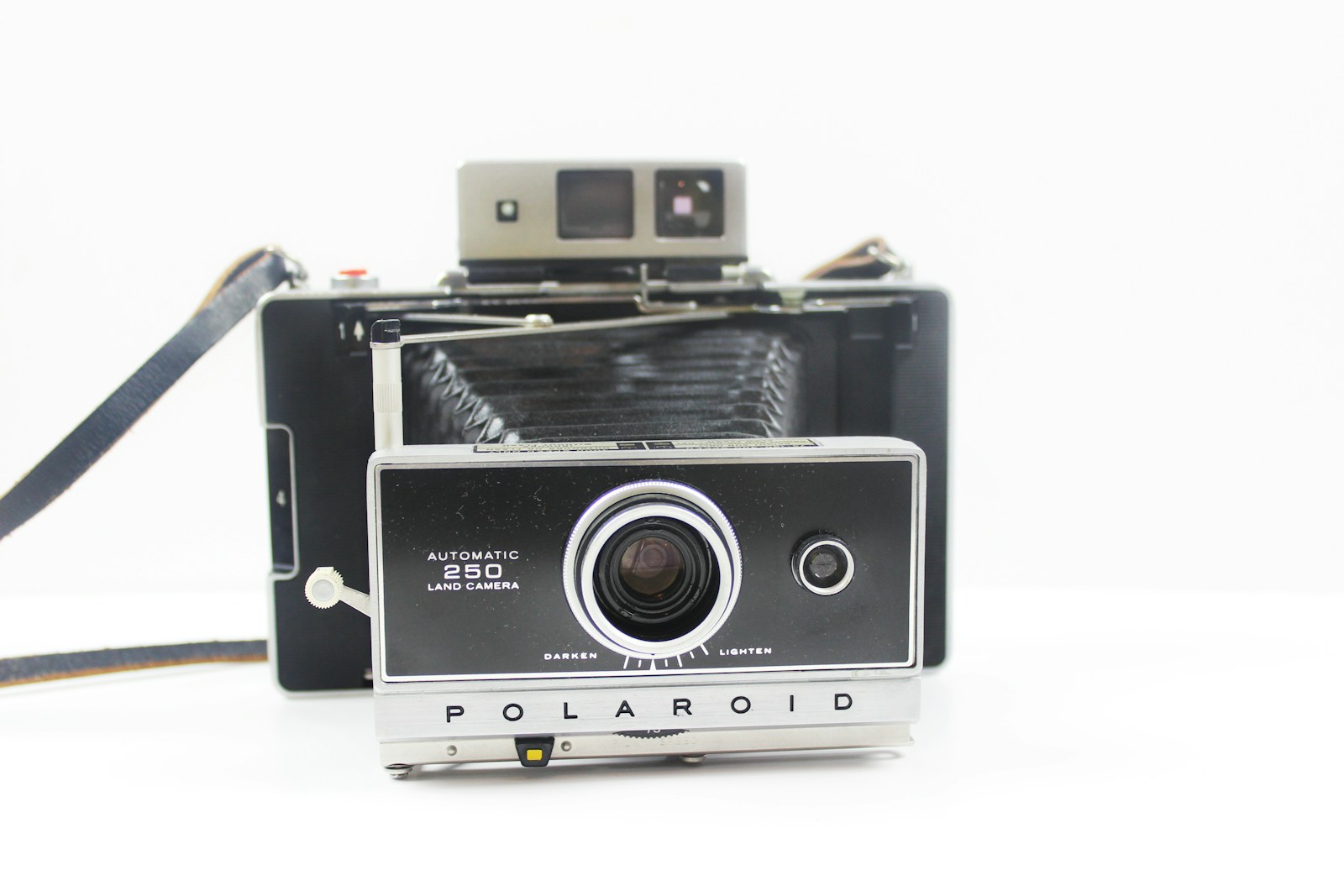
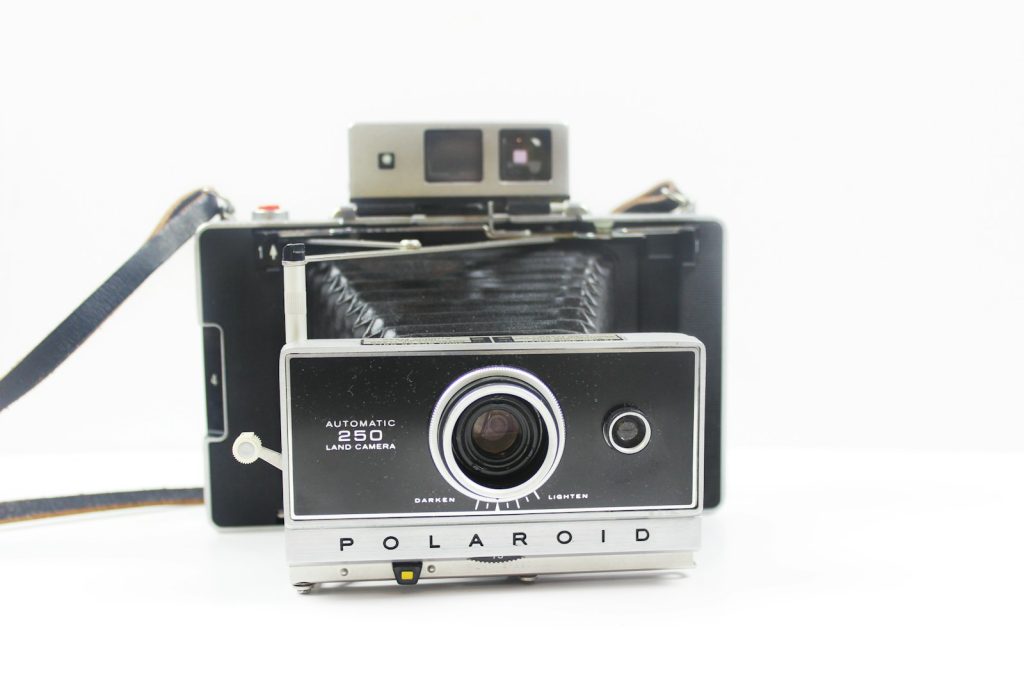
Polaroid instant cameras, especially the Model 95 released in 1963, are a direct portal to the way families documented life in the 1960s. Pioneered by Edwin Land, these cameras used self-contained film packs that developed photos in 60 seconds, letting you watch an image slowly appear in your hands. That speed revolutionized amateur photography, turning every birthday party, road trip, and backyard barbecue into an instant slideshow.
For you, the sight of a Polaroid frame, with its white border and slightly muted colors, recalls the tactile rituals of waving a fresh print or pinning it to a corkboard. The technology also shifted expectations for media, teaching people to expect immediate results from their gadgets. That appetite for instant gratification foreshadowed everything from disposable cameras to smartphone selfies, making the Polaroid a true bridge between analog and digital habits.
7) Spirograph Drawing Toy
The Spirograph drawing toy turns simple plastic gears into hypnotic ’60s patterns. Invented by British engineer Denys Fisher, it was first shown at the Spirograph display by Denys Fisher at the Nuremberg International Toy Fair before Kenner launched it in 1966. Using interlocking gears and a pen, kids could create intricate geometric designs, and by 1967 more than 1.6 million sets had been sold.
Those swirling hypotrochoids and epitrochoids turned math into art, even if you never knew the technical names. Sitting at a kitchen table with Spirograph pieces scattered around you meant entering a quiet, almost meditative zone of creativity. The toy reflected a broader 1960s fascination with science and design, showing that educational play could still feel mesmerizing and stylish.
8) Rotary Dial Telephone
The rotary dial telephone is one of the most instantly recognizable artifacts of 1960s communication. Bell Telephone standardized rotary models during the decade, and stylish variants like the 1961 Princess phone, with its lightweight pink handset, brought color and flair to bedroom nightstands. By 1965, more than 70 million rotary phones were in use in U.S. households, making the circular dial and its clicking return spring a daily soundtrack.
Remembering how you had to “dial” each number, waiting for the wheel to spin back, highlights how deliberate phone calls once were. The Princess phone in particular signaled that telephones were becoming personal accessories, not just utility devices bolted to kitchen walls. That shift toward design and individual expression in everyday tech is a key reason these phones still evoke such strong ’60s nostalgia.
9) Ouija Board
The Ouija board taps into the 1960s fascination with the supernatural, and its look alone can send you back to dimly lit sleepovers. Trademarked by Parker Brothers in 1966 after a surge in spiritualism trends, the board featured the alphabet, numbers, and simple words, along with a heart-shaped planchette moved by participants’ fingers. By 1967, sales had reached 2 million units annually, turning a parlor game into a mass-market phenomenon.
For many kids and teens, the Ouija board was a first brush with the idea that the unseen might answer back, even if the movement was really subconscious. Its popularity reflected a decade wrestling with big questions about belief, mortality, and the unknown, all packaged in a cardboard box. That mix of curiosity, fear, and group ritual is why just seeing the board’s lettering can instantly summon a very specific 1960s mood.

Leave a Reply