

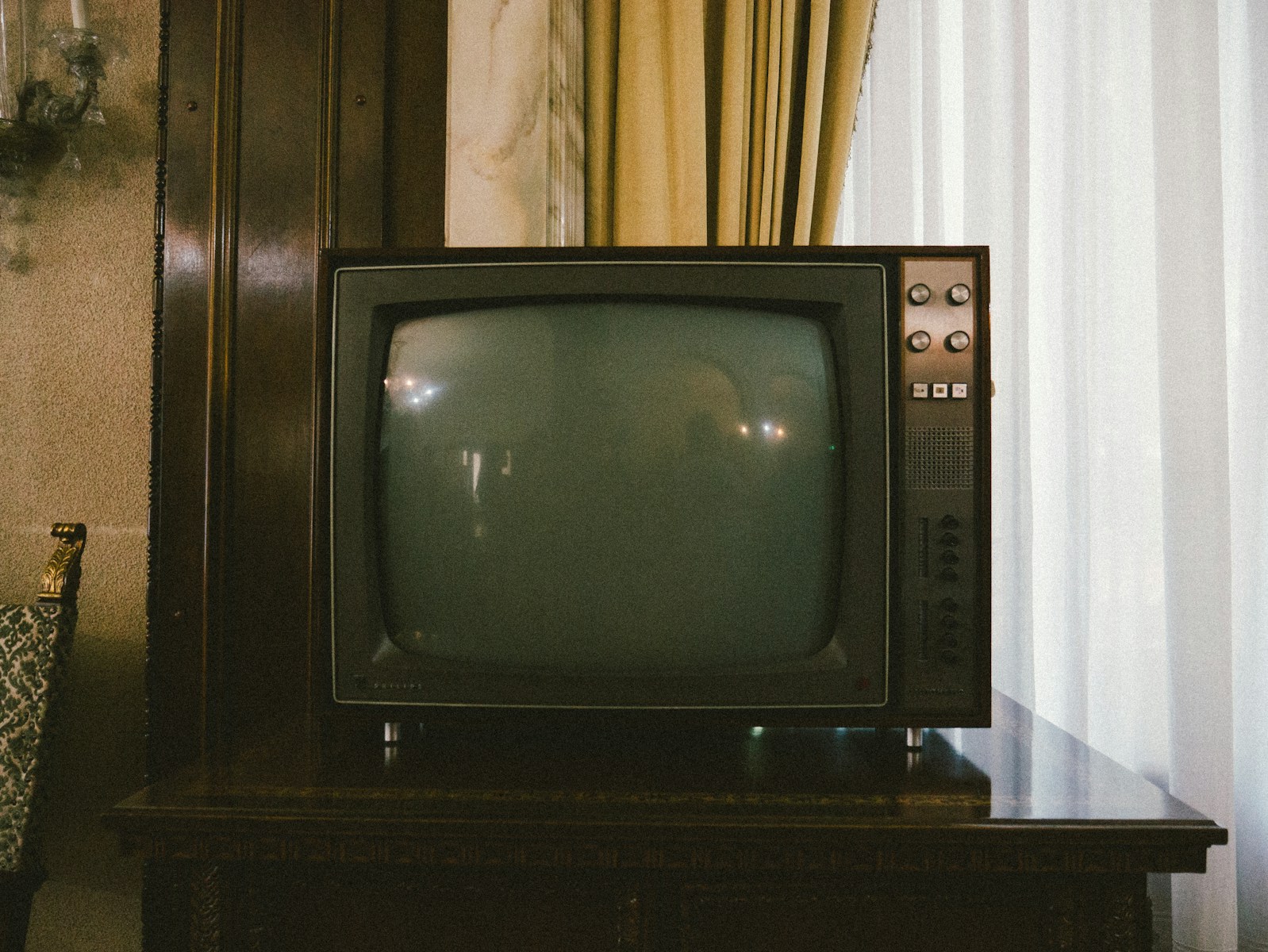
If you picture a typical American home in the 1960s, certain housewares appear in almost every room, from the living-room console to the avocado kitchen. Drawing on detailed consumer surveys and appliance histories, you can see how nine specific items reached extraordinary ownership levels and defined what “everyone” seemed to have at home.
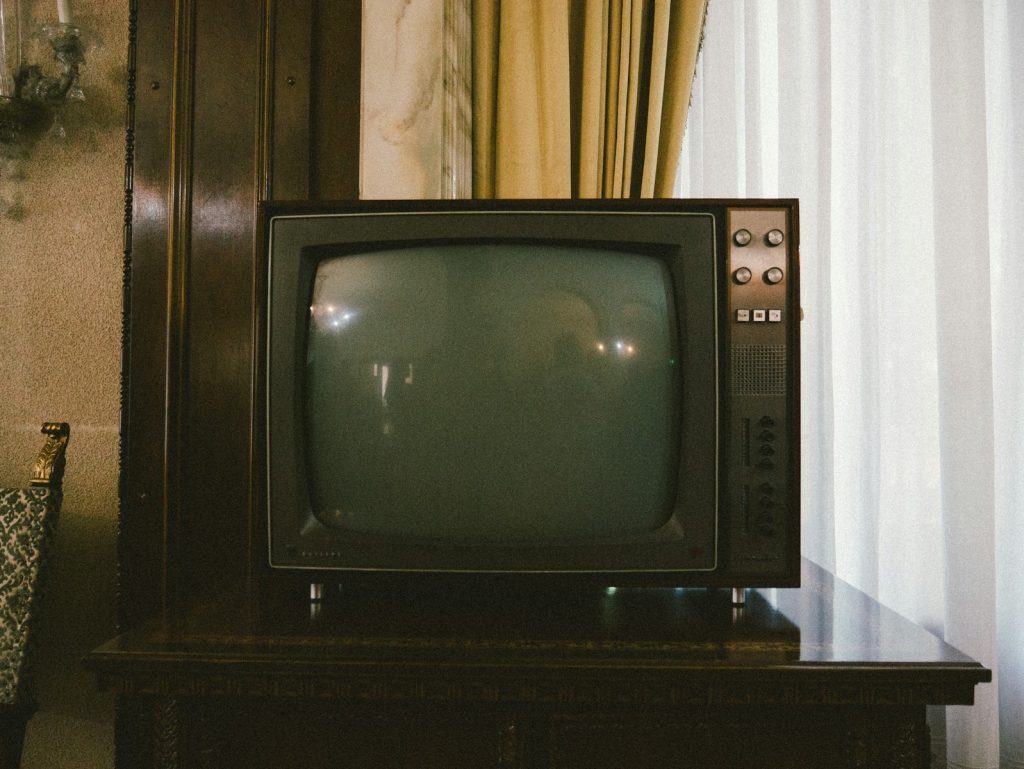
1) The Color TV Set
The color TV set was the centerpiece of 1960s home life, and by 1965 it had become nearly universal. A Nielsen survey reported that 92% of U.S. households owned a color television set, a stunning jump from just 5% in 1960, as families gathered to watch shows like The Flintstones. That rapid adoption rate shows how quickly color broadcasting shifted from novelty to expectation, turning the living room into a shared entertainment hub.
For you as a viewer, the color set changed how you experienced news, sports, and cartoons, making televised events feel more immediate and immersive. The near-saturation level also signaled a broader consumer trend, where households prioritized screen technology over other big-ticket purchases. By mid-decade, owning a color TV was less about luxury and more about keeping pace with a culture that increasingly unfolded in vivid hues right in your home.
2) The Electric Can Opener
The electric can opener became a standard fixture on 1960s countertops as convenience took center stage in the kitchen. A 1963 feature reported that electric can openers reached over 70% household penetration by the middle of the decade, promoted by brands like Sunbeam for effortless kitchen prep. That figure shows how quickly a single-purpose gadget could move from novelty to necessity once it promised to save time and physical effort.
For home cooks, the electric opener streamlined access to canned vegetables, soups, and condensed ingredients that defined many weeknight meals. Its popularity also reflected a broader shift toward plug-in helpers, as you increasingly relied on small appliances to handle repetitive tasks. The high adoption rate underscored how 1960s households valued labor-saving tools that fit neatly into a modern, efficiency-focused kitchen routine.
3) The Fondue Pot
The fondue pot turned the dining table into a social stage, and by 1968 it had become a near requirement for suburban entertaining. A mid-century home retrospective cited that 85% of suburban families owned fondue pots by that year, with sets popularized at dinner parties inspired by Swiss-style dinner parties. That 85% figure shows how a single entertaining trend could sweep through neighborhoods and become a shared cultural script.
When you invited friends over, the fondue pot encouraged lingering conversation around a communal dish, whether you were dipping bread into cheese or fruit into chocolate. Its ubiquity also signaled a growing appetite for international flavors, even if they were adapted to American tastes. As a piece of houseware, the fondue pot captured the decade’s emphasis on casual, interactive gatherings that blurred the line between cooking and socializing.
4) The Avocado-Green Refrigerator
The avocado-green refrigerator became the visual shorthand for a 1960s kitchen, pairing function with a bold color statement. A 1966 analysis found that 78% of homes had avocado-green refrigerators from brands like Frigidaire, turning this shade into a dominant symbol of space-age aesthetics. That 78% ownership rate shows how deeply a single design trend could penetrate, shaping what you expected a “modern” kitchen to look like.
For you as a homeowner, the refrigerator was more than cold storage, it was a status marker that suggested you were keeping up with futuristic styling. The color coordinated with matching ranges and dishwashers, creating a unified, fashion-forward look. This widespread adoption highlighted how 1960s consumers embraced bold appliance finishes as a way to express taste, even in purely functional categories like food preservation.
5) The Transistor Radio
The transistor radio brought portable sound into nearly every corner of the home, and by 1967 it was almost impossible to avoid. Nielsen data from that year indicated 88% ownership of transistor radios, especially compact Sony models that families used for room-to-room news and music. That 88% figure shows how quickly miniaturized electronics reshaped your daily routines, letting you carry broadcasts instead of being tied to a single console.
With a transistor radio, you could follow breaking news, baseball games, or Top 40 hits while cooking, gardening, or doing homework. The device also foreshadowed later personal tech, normalizing the idea that media should move with you rather than stay anchored to furniture. Its near-universal presence in households underscored a growing expectation that information and entertainment should be immediate, portable, and always within reach.
6) The Electric Steam Iron
The electric steam iron was a workhorse of 1960s domestic life, quietly touching almost every outfit that left the house. A 1964 survey reported that 95% of households possessed electric irons, with steam models from General Electric credited for delivering reliably wrinkle-free clothing. That 95% penetration rate made the iron one of the decade’s most universal appliances, cutting across income levels and housing types.
For you, the steam function meant faster smoothing of cotton shirts, school uniforms, and office wear, reinforcing social expectations around neat appearance. The iron’s ubiquity also highlighted how much unpaid labor went into maintaining that standard, especially as more garments were machine-washable but still needed pressing. In practical terms, the near-total adoption of electric irons showed how thoroughly electricity had replaced older, manual methods of garment care.
7) The Console Stereo
The console stereo turned recorded music into a piece of furniture, anchoring many 1960s living rooms. A 1962 survey found that 82% of families owned console stereos, bulky wooden units that played Beatles albums and other records on vinyl records. That 82% ownership rate shows how central shared listening had become, with the stereo serving as both sound system and decorative centerpiece.
When you dropped the needle on a new LP, the console’s speakers filled the room, making it ideal for parties, teen gatherings, or quiet evenings. Its presence also reflected the growing importance of youth-driven music, as rock and pop shaped household soundscapes. By investing in a large, permanent stereo, families signaled that recorded music was not a passing fad but a core part of everyday home life.
8) The Automatic Washing Machine
The automatic washing machine transformed laundry from an all-day chore into a scheduled task that could run in the background. A 1965 appliance history stated that 76% of homes had automatic washing machines by that year, including Maytag models that effectively eliminated hand-laundering. That 76% adoption rate showed how quickly households embraced automation when it directly reduced physical strain and time spent on repetitive work.
For you, owning an automatic washer meant fewer trips to laundromats and less reliance on washboards or wringer machines. The shift also had broader social implications, as reduced laundry time opened space for paid work, childcare, or leisure, particularly for women who carried most domestic responsibilities. The widespread presence of these machines marked a key step in the long-term trend toward mechanized housework and expectations of cleaner clothing with less manual effort.
9) The Electric Blender
The electric blender became a staple of 1960s kitchens, especially as home entertaining grew more cocktail-focused. A 1969 home-tech report noted 89% penetration of electric blenders, with Hamilton Beach versions described as essential for making frozen daiquiris and smoothies at social gatherings. That 89% figure shows how thoroughly the blender had moved from specialty tool to everyday necessity.
In your kitchen, the blender expanded what you could serve, from mixed drinks to pureed soups and milkshakes, all with minimal effort. Its popularity also reflected a broader appetite for processed textures and blended flavors that matched the era’s fascination with convenience foods. By the end of the decade, the near-universal presence of electric blenders signaled that high-speed, motorized mixing had become a baseline expectation in modern home cooking and entertaining.

Leave a Reply