

Some home decor choices are so specific to a moment in time that you can almost hear a dial-up modem when you walk into the room. If your space still showcases certain ’90s staples, it can instantly feel like a time capsule, no matter how tidy or well loved it is. Here are nine decor decisions that practically shout 1995 the second someone steps through your front door.
1) Honey oak kitchen cabinets
Honey oak kitchen cabinets are one of the clearest giveaways that your home is stuck in the ’90s. A detailed rundown of honey oak cabinets notes how this golden wood tone, paired with dated hardware, was once the default choice in new builds. The finish tends to read orange under modern LED lighting, which clashes with today’s cooler, more muted palettes. When you keep the original cabinet color and knobs, the entire kitchen can feel like it has not been updated since the era of landlines.
For you as a homeowner, the stakes are both aesthetic and financial. Buyers often see honey oak as a project, mentally subtracting the cost of repainting or refacing from any offer. Even if you love the wood grain, swapping in simple black or brushed nickel pulls can soften the ’90s effect. Painting the cabinets a warm white or greige lets you keep the layout while signaling that the space belongs in this decade, not in 1995.
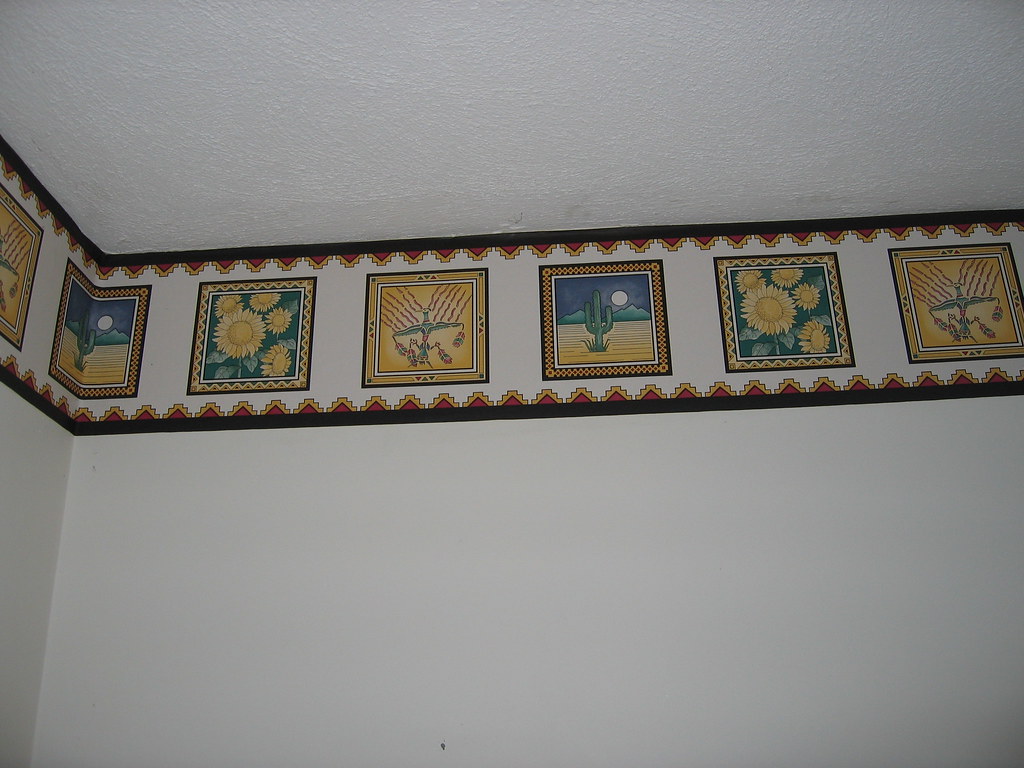
2) Floral wallpaper borders near the ceiling
Floral wallpaper borders around ceilings were once considered the perfect finishing touch, but now they instantly date a room. The same breakdown that calls out floral wallpaper borders as a ’90s hallmark points to their busy patterns and contrasting colors as a major reason they feel out of step with current design. These strips visually chop the wall, making ceilings seem lower and rooms feel busier, especially when paired with matching curtains or upholstery. The effect is less cozy cottage and more suburban starter home from decades ago.
Removing a border is one of the fastest ways to modernize a space without a full renovation. Once it is gone, you can let the wall color run cleanly to the ceiling, which immediately looks taller and calmer. If you still love pattern, consider a single accent wall with a contemporary print instead of a perimeter band. That way, you keep personality while avoiding the unmistakable signal that your decor choices have not moved on from the ’90s.
3) Hunter green everything
Hunter green was a defining color of ’90s interiors, especially when used on walls, sofas, and carpets all at once. A guide to decor choices that make a home look stuck in that decade highlights how Hunter green paired with burgundy or heavy wood trim can overwhelm a room. The shade itself is deep and moody, but when it dominates every surface, it recalls formal living rooms that were more for show than for everyday comfort. In a smaller space, it can also swallow natural light and make everything feel closed in.
Today, you can still use green, but the way you apply it changes the message your home sends. Swapping a hunter green accent wall for a softer sage or olive keeps the connection to nature without the visual weight. If you are not ready to repaint, start by changing textiles like throw pillows or curtains. As you gradually reduce the hunter green footprint, your rooms will feel less like a 1990s catalog spread and more like a flexible, livable space that fits current tastes.
4) Overstuffed, bulky sofas and recliners
Overstuffed sofas and recliners with massive rolled arms were a staple of ’90s family rooms, and they still signal that era the moment you see them. A closer look at home decor choices Boomers make points out how these pieces dominate the floor plan, leaving little breathing room around coffee tables or media centers. The silhouettes are rounded and bulky, often upholstered in heavy fabrics that trap dust and light. Even if the furniture is in good condition, the proportions alone can make the entire room feel like it belongs to another decade.
For you, the challenge is balancing comfort with a cleaner profile. Modern seating still offers deep cushions, but slimmer arms and visible legs create a lighter look. Replacing one oversized recliner with a streamlined armchair can open up traffic flow and sightlines. If a full furniture swap is not in the budget, consider reupholstering in a solid, neutral fabric and removing any matching valances or skirted side tables nearby, so the room does not read as a preserved ’90s set.
5) Matching oak entertainment centers
Large matching oak entertainment centers, often built to house a boxy television and stacks of VHS tapes, are another decor choice that screams ’90s. Reporting on living rooms dated to 1995 notes how these wall units were designed around deep electronics that no longer exist in most homes. The result is a massive piece of furniture with empty cubbies and oversized openings that dwarf today’s slim flat screens. Their honey or medium oak finish also ties them visually to the same cabinetry trends that have fallen out of favor.
Keeping a full entertainment wall in place can limit how you arrange your space and how flexible it feels for streaming, gaming, or working from home. If you still need storage, you might repurpose parts of the unit as separate bookcases or paint it a darker color to reduce the visual bulk. Alternatively, a simple media console and a few floating shelves can handle your devices without locking your room into a 1990s footprint, giving you more options as technology and your habits change.
6) Coordinated floral sofa and loveseat sets
Coordinated floral sofa and loveseat sets, often in the same busy pattern from arm to arm, are a classic ’90s living room move. Analysis of dated living room choices emphasizes how repeating the same upholstery on multiple large pieces can overwhelm a space. The florals themselves tend to be small scale and multicolored, which clashes with the cleaner lines and solid fabrics that dominate current design. When every major seat in the room matches, the effect is more furniture showroom than layered, personal home.
Breaking up the set is an easy way to move your decor forward. You might keep the more comfortable piece and pair it with a solid-colored chair or a leather accent seat. A neutral slipcover can also tone down the floral without requiring new furniture. By mixing textures and patterns instead of repeating one print, you create a more collected look that feels current, while still honoring the comfort and memories tied to your original ’90s pieces.
7) Brass and glass coffee tables
Brass and glass coffee tables, especially those with curved edges and ornate frames, were a go-to choice in the ’90s and now instantly date a seating area. Coverage of 1995-style living rooms points out how the shiny brass finish and clear glass top can feel cold and formal compared with today’s warmer, more tactile materials. These tables also tend to show every fingerprint and smudge, which adds to the sense that they belong to a more high-maintenance era of decorating.
Switching to wood, stone, or matte metal instantly changes the mood of your room. A simple oak or walnut table introduces texture and grounds the seating area, while a round upholstered ottoman softens sharp corners. If you are attached to the glass, consider pairing it with a black or brushed metal base instead of bright brass. Small shifts like these keep the function of your coffee table intact but prevent it from anchoring your space in the visual language of the ’90s.
8) 90s novelty decor and theme rooms
Novelty decor and full theme rooms built around trends from the 90 are another clear signal that your home is stuck in that decade. A nostalgic look at 90s home decor trends highlights how items like inflatable chairs, lava lamps, and glow-in-the-dark stars once felt cutting edge. When those pieces still dominate a bedroom or den, they read as relics rather than playful accents. The same goes for rooms themed entirely around a single hobby or pop culture reference, which can feel more like a set than a lived-in space.
Today, you can still nod to your favorite ’90s memories without recreating a teenager’s poster-plastered walls. Choose one or two standout items, such as a framed album cover or a vintage game console, and mix them with contemporary furniture and lighting. This approach keeps your personality front and center while avoiding the impression that nothing has changed since the era of VHS rentals and CD towers. It also makes it easier to update your decor as your interests evolve.
9) Wall-to-wall beige carpet in main living areas
Wall-to-wall beige carpet in main living areas was a default choice in the ’90s, and it still dates a home the moment you step inside. Reporting on living rooms frozen in 1995 notes how this carpet shows wear patterns and stains quickly, especially in high-traffic zones. The uniform beige color can also flatten a room, making furniture and decor feel less defined. In contrast, today’s interiors often favor hard surfaces like wood or tile, with area rugs layered on top for comfort and style.
For you, replacing carpet with a more durable flooring material can be a significant investment, but it also has long-term benefits. Hard floors are easier to clean, more allergy friendly, and more appealing to many buyers. If full replacement is not possible right now, adding a large, patterned rug over the existing carpet can break up the expanse of beige and introduce color and texture. Even that small change helps shift your home away from a distinctly ’90s look toward something more flexible and future friendly.
More from Vinyl and Velvet:

Leave a Reply