

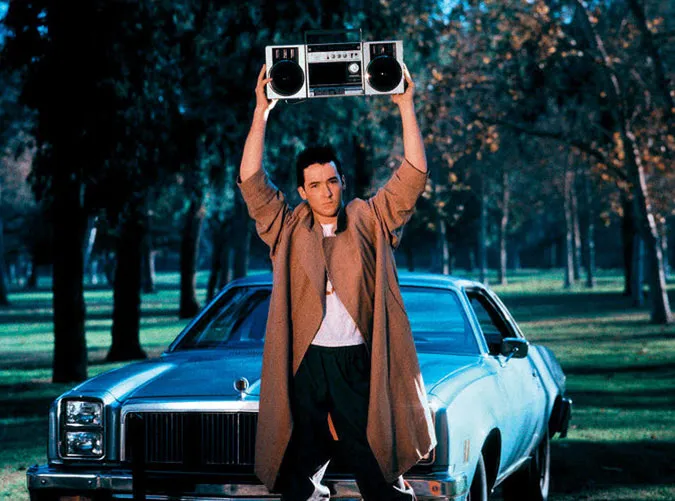
The loudest looks of the 1980s were once shorthand for “too much,” yet they are now being reappraised as genuinely wearable, not just costume fodder. As you revisit the fashion trends that screamed ’80s, you can see how their bold color, volume, and attitude are resurfacing in current wardrobes, from TikTok feeds to red carpets. Each of these nine trends proves that when you lean into drama with intention, the decade’s excess suddenly feels modern again.
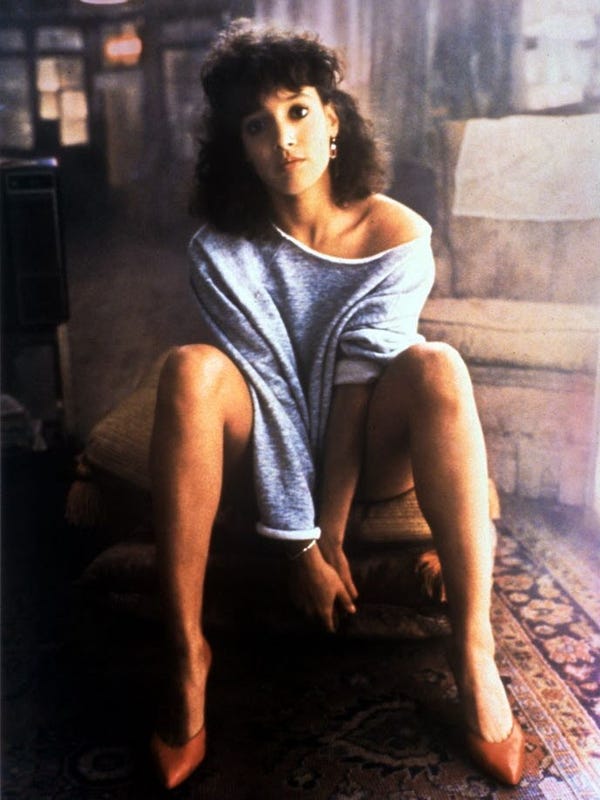
1) “15 Best ’80s Fashion Trends You’ll Actually Want to Wear in 2023” — shows how loudly classic ’80s looks still resonate
The very existence of a guide titled 15 Best ’80s Fashion Trends You’ll Actually Want to Wear in 2023 signals that silhouettes once dismissed as over-the-top are being reconsidered as genuinely desirable. That coverage treats power shoulders, saturated color, and high-shine fabrics as pieces you might actually add to your closet now, not just borrow for an ’80s party. It confirms that the decade’s most dramatic signatures, from structured blazers to statement accessories, still speak loudly to a generation raised on minimalist basics.
For you, the takeaway is that “too bold” has shifted into “strategic statement.” When a modern style guide frames these looks as worth wearing again, it validates the idea that the very elements that screamed ’80s, like exaggerated tailoring and unapologetic glamour, are now tools for standing out in a crowded, trend-driven market.
2) “’80s Fashion Trends” — underlines how these specific trends defined the decade’s over-the-top aesthetic
When that same guide groups its picks under the phrase ’80s Fashion Trends, it is effectively canonizing certain looks as the decade’s visual shorthand. Think of the big-shouldered jackets, glossy party dresses, and bold accessories that instantly place a character in a 1980s setting the moment they appear on screen. Labeling them this way acknowledges that these pieces did not just exist in the era, they defined its aesthetic, from office power dressing to nightlife.
That distinction matters if you are trying to decode what truly screamed ’80s versus what simply feels retro. By recognizing these styles as definitive, you can more accurately reference the decade in your own wardrobe, whether you are styling a campaign, planning a themed event, or just building outfits that nod to a specific cultural moment rather than a vague past.
3) “’80s outfit ideas” — captures the instantly recognizable, costume‑level feel of 1980s styling
The same resource frames its advice around complete ’80s outfit ideas, which highlights how the decade’s impact came from head-to-toe styling, not isolated pieces. A blazer with big shoulders, for example, becomes unmistakably 1980s when you pair it with glossy tights, pointed pumps, and a cinched belt. The focus on full looks mirrors how people actually dressed at the time, layering statement on statement until the overall effect bordered on costume.
For you, that is a reminder that recreating the era is about proportion and context as much as individual garments. When you combine multiple loud elements, the result is visually distinctive and instantly recognizable as 1980s, which is why these outfit formulas remain popular for themed parties, music videos, and editorial shoots that need a clear, high-impact time stamp.
4) “Off the Charts: The 9 Summer Micro-Trends That Are Going Absolutely Viral” — shows how modern virality revives ’80s energy
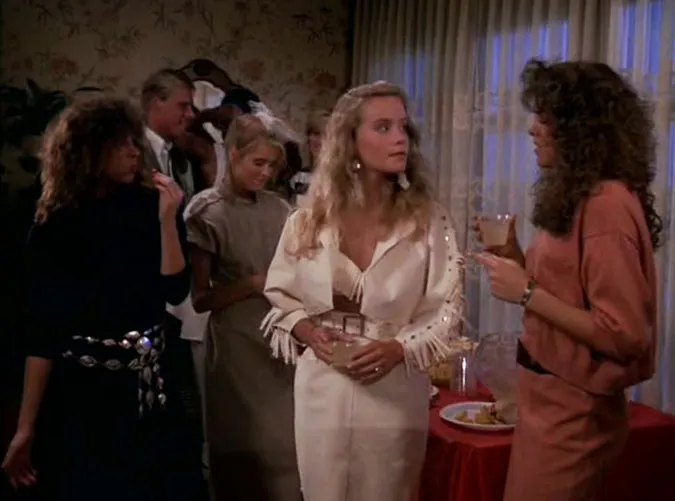
Contemporary coverage of Off the Charts: The 9 Summer Micro-Trends That Are Going Absolutely Viral illustrates how today’s fast-moving fads often echo 1980s exuberance. Many of these micro-trends lean into saturated color, playful accessories, and body-conscious cuts that would not have looked out of place in a vintage aerobics video. The framing around “off the charts” energy mirrors the decade’s reputation for pushing looks to their limits, from neon workout sets to metallic partywear.
For brands and creators, this connection matters because it shows how social media can resurrect the spirit of ’80s experimentation in real time. When a micro-trend borrows that visual language, it taps into a deep well of nostalgia while still feeling new, giving you a shortcut to attention in crowded feeds.
5) “9 Summer Micro-Trends” — proves that multiple viral looks can simultaneously channel ’80s style
The reference to 9 Summer Micro-Trends underscores that it is not just one nostalgic look driving the conversation, but a cluster of distinct ideas that each pick up different ’80s cues. One micro-trend might spotlight high-cut swimwear, another might lean into bold color blocking, while a third revives chunky jewelry. Together, they recreate the decade’s diversity, where punk, power dressing, and dancewear all coexisted in the same cultural moment.
For you, this fragmentation is useful. It means you can experiment with specific ’80s signatures that fit your style or audience, rather than committing to a full retro makeover. By sampling from several micro-trends, you can build a wardrobe that feels current while still channeling the era’s maximalist spirit.
6) “going absolutely viral” — signals how widespread the appetite is for bold, ’80s-adjacent statements
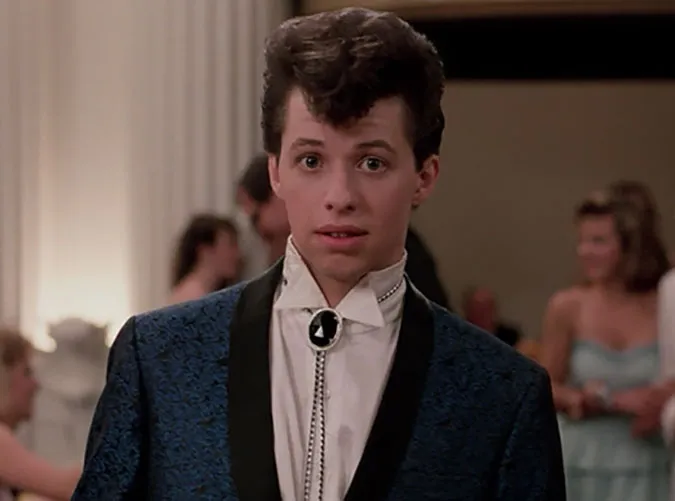
The phrase going absolutely viral captures how visible the appetite for bold, ’80s-adjacent fashion has become. When a look spreads at that scale, it is not just a niche subculture playing with nostalgia, it is a mainstream audience embracing high-impact style. That kind of virality mirrors the way 1980s trends once dominated music videos, television, and advertising, saturating every visual channel available.
For anyone working in fashion or content, this level of visibility raises the stakes. Viral trends can reset expectations around what “normal” dressing looks like, making bright colors, dramatic shoulders, or shiny fabrics feel less risky. As more people share and remix these statements, the line between costume and everyday wear blurs, much as it did in the original decade.
7) “25 iconic ’90s fashion trends, from crop tops and chokers to naked dresses and more” — sets up a clear contrast with ’80s excess
The title 25 iconic ’90s fashion trends, from crop tops and chokers to naked dresses and more helps draw a sharp line between 1980s excess and the sleeker, sometimes grungier mood that followed. While the ’80s leaned into structured power suits and neon, the 1990s popularized stripped-back silhouettes, slip dresses, and minimalist separates. That contrast is crucial when you are trying to pinpoint which loud looks truly belong to the earlier decade.
Understanding this shift lets you avoid lumping all “retro” references together. If you are styling a project that needs authentic ’80s energy, you will reach for sharp tailoring and bold color rather than the slinky, low-key pieces that defined much of the 1990s, even when both eras are trending at once.
8) “25 iconic ’90s fashion trends” — reminds readers that not every nostalgic trend is actually from the ’80s
The phrase 25 iconic ’90s fashion trends also reinforces that many of the throwback looks dominating social media are rooted in the 1990s, not the 1980s. Items like low-rise jeans, minimalist slip dresses, and certain streetwear staples belong to that later list, even if they are often grouped under a generic “vintage” label. Recognizing this helps you separate genuine ’80s signatures from broader nostalgia.
For stylists, costume designers, and everyday shoppers, that distinction has practical stakes. Mislabeling a 1990s trend as 1980s can muddle a storyline, dilute a brand’s reference point, or simply leave an outfit feeling historically off. Clear boundaries let you lean into each decade’s strengths with more confidence.
9) “crop tops and chokers to naked dresses and more” — pinpoints ’90s hallmarks that differ from true ’80s signatures
The wording crop tops and chokers to naked dresses and more calls out specific 1990s pieces that are often confused with ’80s style. While both eras embraced body-conscious dressing, the 1980s leaned on structured bodices, taffeta, and bold-shoulder eveningwear, as seen in roundups of Plenty of the decade’s staples. The 1990s, by contrast, favored slinky slips and sheer “naked” gowns that skimmed rather than sculpted the body.
Recognizing that difference sharpens your eye when you are decoding references. If you want a look that truly screamed ’80s, you will gravitate toward neon separates, power suits, and punk-inspired outfits highlighted in guides to these are the unforgettable trends, or even lean into the Workout wear as streetwear that defined the era’s gym-to-sidewalk attitude.
More from Vinyl and Velvet:

Leave a Reply