

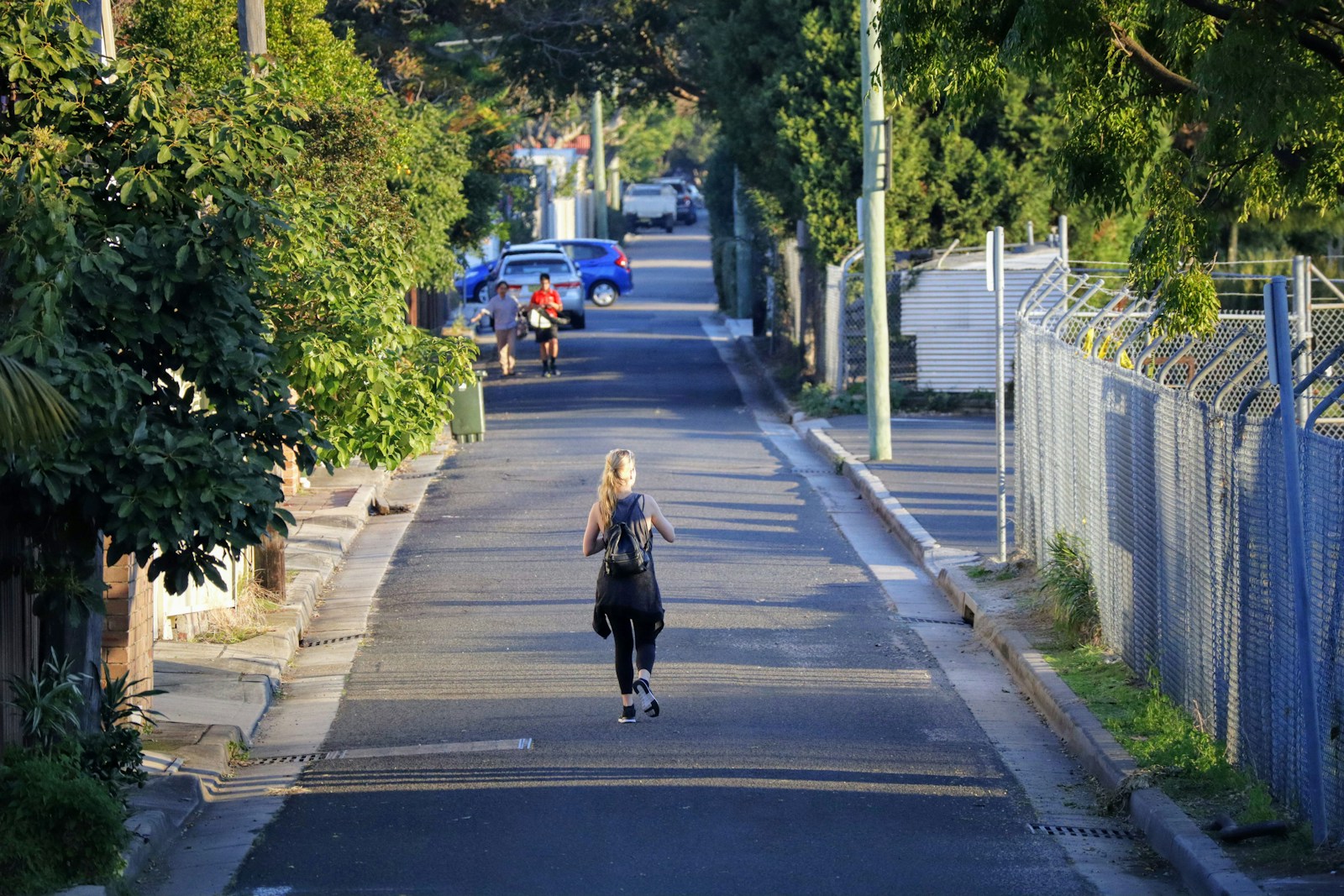
You grew up in a world that taught you independence through everyday risks and simple tools, and this article shows what that actually felt like. You’ll see how hands-on freedom, analogue problem-solving, and unstructured play shaped skills and memories that many kids today rarely, if ever, experience.
Flip through these pages to reconnect with moments that required patience, creativity, and a bit of gumption — from leaving the house with no tracking app to making a mixtape by ear. Expect snapshots of childhood that highlight how different growing up felt before constant supervision and instant answers.
Playing outside unsupervised until streetlights came on
You walked out the door and didn’t think twice about where the afternoon would go.
Neighbors watched each other’s kids, not their phones, so you learned to negotiate, share, and settle disputes on the spot.
The streetlight clicking on was your only curfew signal.
No constant check-ins meant you figured things out—route planning, hide-and-seek rules, and who could be trusted with a secret.
Rewinding cassette tapes with a pencil
You learned to rescue a stretched or eaten tape by poking a pencil through a reel and turning it gently.
It felt oddly satisfying to see the two spools click back into order and your mixtape come alive again.
You practiced patience and careful hands, untangling knots to avoid playback damage.
Kids today skip straight to playlists; you knew the small rewards of analog fixes.
Making mixtapes from the radio
You sat by the boombox with a blank cassette and the record button ready, waiting for the DJ to stop talking. Timing mattered; you had to hit record exactly when the song started.
You edited with a pencil when the tape tangled and labeled the spine by hand. That slow, hands-on process made every mixtape feel personal and deliberate.
You learned to dial carefully, because a slip meant starting over. The tactile click and the cord tethered you to one spot, so calls were deliberate.
You couldn’t hide behind text; conversations were longer and more focused. Waiting by the phone built patience and made each call feel more intentional.
Recording VHS tapes and battling tracking issues
You taped birthday parties and school plays, pausing the VCR with a practiced thumb to stop at the perfect frame.
Then came the tracking lines — wavy bars or snow at the top or bottom — and you fumbled with the channel +/- or the manual dial until the picture steadied.
You knew to clean the VCR heads or try a different machine when nothing helped.
That hands-on care and small ritual of rescuing a crooked recording is a kind of tech patience kids rarely learn today.
Building forts with whatever was around
You and your friends scavenged blankets, chairs, branches, and old sheets to make something that felt like a kingdom.
No instructions, no apps — just trial and error and lots of laughter.
You slept in tents under living-room forts or climbed into backyard hideouts that smelled of wood and dirt.
Those messy, temporary constructions taught you problem-solving and teamwork in a way screens rarely do.
Playing lawn darts and chemistry sets with real chemicals
You learned to judge distance and risk by lobbed lawn darts that could do real damage if you messed up.
Those summer games taught practical caution faster than any lecture ever could.
You also mixed real chemicals in kits that came with powders and instructions, not just stickers.
That hands-on curiosity let you see reactions firsthand, though parents today would call it reckless.
Walking or biking miles to school alone
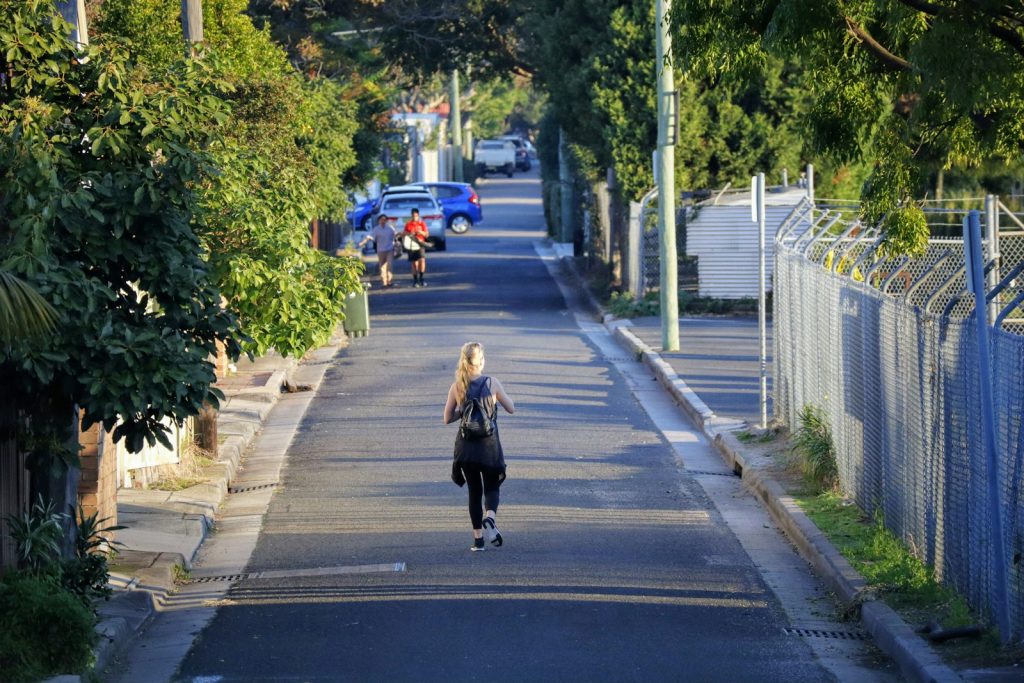
You often walked or biked to school without an adult shadowing you. That solo commute taught you route-finding, time management, and how to handle small problems on your own.
Today, fewer kids make that trip. Concerns about traffic, stranger danger, and changing parenting norms mean many children miss out on that everyday independence.
Getting home to an empty house after school (latchkey kids)
You let yourself in with a key on a string and shrug off the quiet.
The TV becomes background noise while you make a snack and do homework alone.
You learn to fill hours without constant supervision.
That independence taught practical skills and self-reliance, but it also meant less adult guidance during important moments.
More from Vinyl and Velvet:

Leave a Reply