

You grew up in a world where small daily tasks felt slower, louder, and more hands-on than they do now. You’ll recognize the odd little frictions that used to shape routines—from waiting for a dial-up tone to rewinding a cassette—because they shaped how you moved through a day.
This piece shows how those everyday annoyances vanished and what life gained in their place, so you can appreciate how much the ordinary has changed. Flip through these snapshots of vanished hassles and notice how conveniences you take for granted reshaped time, attention, and the way people connect.
Dial-up internet loading forever
You remember waiting while the modem screamed and your patience thinned.
You had to time calls, avoid phone use, and hope a download wouldn’t fail after thirty minutes.
Sometimes a page began to load and then stalled, leaving you staring at a half-built screen.
You learned to multitask: make a sandwich, read, or leave it running overnight and cross your fingers.
Use of payphones everywhere
You probably remember hunting for a payphone, digging for quarters, and hoping the line wasn’t busy.
Those metal boxes were how you checked in, called for a ride, or reached someone in an emergency.
Payphones forced you to plan calls and keep conversations short.
Today your phone lives in your pocket, so the scramble for a public handset feels almost foreign.
Cassette tapes for music and mixtapes
You used cassette tapes to share songs and feelings, recording mixtapes by hand with a stopwatch and patience.
Rewinding, flipping sides, and praying you didn’t hit record at the wrong moment were part of the ritual.
Making a mixtape let you control pacing and mood, track order mattered more than playlists do now.
Stores and small labels still sell cassettes, but you no longer need to wait through ads or trade duplicates to get a favorite song.
No seatbelt laws in cars
You grew up in a time when cars often lacked mandatory seatbelt rules and people treated buckling up as optional. States phased in laws over decades and the federal government required belts in new cars starting in the late 1960s, but usage laws came later.
That meant rides could feel casual and risky, especially with kids in laps or adults unbuckled. Today you barely imagine that freedom — most people buckle automatically now.
Waiting for TV shows to air weekly
You remembered planning your night around a single episode and actually sticking to it.
You traded spoilers cautiously and called friends the next day to dissect cliffhangers.
Now shows drop whole seasons and you binge-release the conversation in one weekend.
That slow-build anticipation shaped rituals — snacks, recaps, water-cooler debates — that feel oddly quaint today.
Having landlines with answering machines
You had a single phone number for the whole household, usually tethered to the kitchen wall.
Answering machines collected the world for you — missed calls, telemarketers, and the occasional family update on tape.
You checked messages every few days and decided which ones deserved a callback.
No caller ID, no text — just playback and the ritual of pressing play, rewind, or delete.
Handwritten notes and letters
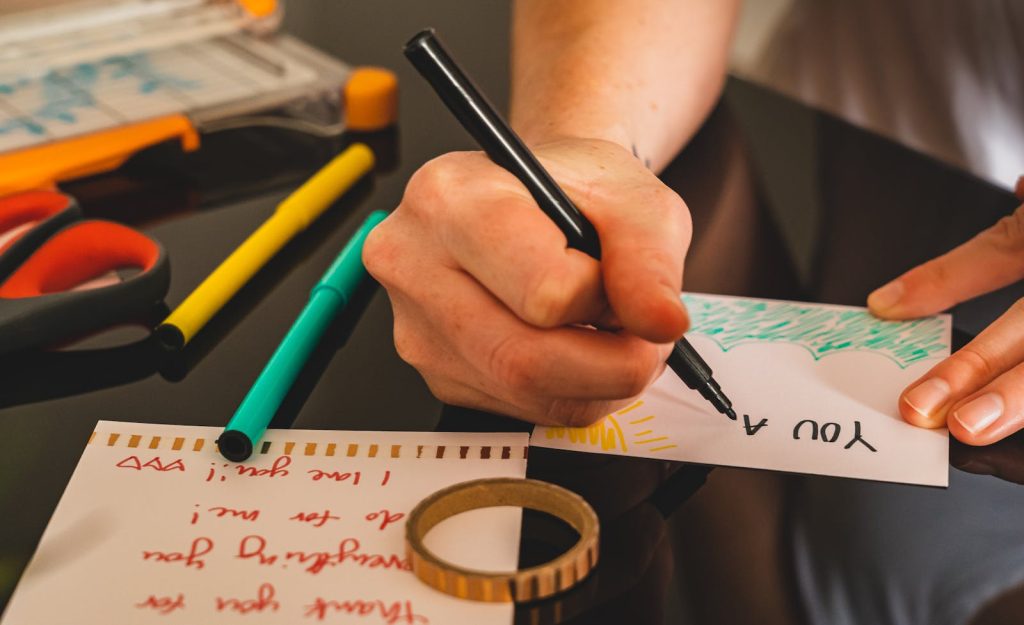
You used to stash folded notes in lockers and wait for a reply the next day.
Those paper pass-abouts and long weekend letters created a slow, tactile rhythm to friendships.
Now most messages arrive instantly on your phone, so the ritual of pen, paper, and stamped envelopes is rare.
Handwritten thank-yous and class notes still feel personal, but they’re no longer the default way you stay in touch.
Developing photos at a store
You carried a paper envelope or taped-up roll to a counter and waited for a number. The process forced patience; you couldn’t preview shots or delete mistakes instantly.
When the packet came back, you inspected prints one by one under fluorescent light. That small ritual—choosing which to keep, which to toss—felt more deliberate than today’s endless scrolling.
Using paper maps instead of GPS
You unfolded a giant map across the passenger seat and tracked a route with a highlighter.
Reading mile markers and asking for directions at gas stations taught you patience and basic navigation skills.
Paper maps forced you to plan before you left, which meant fewer last-minute detours but more stops to reorient.
Now your phone plots the way, and those old-map rituals have mostly disappeared.
More from Vinyl and Velvet:

Leave a Reply