

You’ll step back into a decade that shaped how you live today, where everyday habits and technologies you took for granted suddenly feel ancient. You’ll recognize familiar sights, sounds, and routines from the ’90s and see how they quietly disappeared as phones got smarter, media shifted online, and social habits changed.
This article guides you through nine common ’90s experiences that now belong to history, showing why they mattered and how their decline reshaped daily life. Expect short, clear snapshots that connect those moments to bigger shifts in culture, technology, and how people organized their world.
Building early cities and urban centers
You’d see how ancient planners laid out streets in grids, like Mohenjo-Daro and Harappa, to make movement and drainage work better.
Those designs shaped daily life—markets, public baths, and governance clustered where people could reach them.
You’d notice zoning and infrastructure emerging early: walls for defense, wells for water, roads for trade.
These choices set patterns cities still follow, even if modern tech changed the tools.
Developing writing systems like cuneiform
You remember thinking typing was new, but writing systems began far earlier.
Cuneiform started in ancient Mesopotamia as simple marks for counting and record-keeping.
Over centuries those wedges evolved into signs that could record names, laws, and stories.
That slow shift from tokens to a full script shows how communication tools grow with society.
Establishing trade networks for goods exchange
You remember ordering things by phone and waiting weeks for delivery; businesses then built slow but steady distribution routes.
Those networks—stores, catalogs, warehouses, truck routes—made regional markets feel national.
You relied on physical storefronts and paper records for sourcing products.
Setting up supply lines meant relationships, contracts, and lots of manual tracking.
Creating laws and legal codes
You remember laws feeling slow and distant in the 90s, set by committees and printed statutes you had to hunt down.
Now lawmaking mixes digital records, international treaties, and fast-moving court rulings that reshape rules faster than before.
Your local ordinances used to rely heavily on custom; today they reference model codes and global standards.
That shift changed how quickly new issues — like tech privacy or internet commerce — get written into law.
Practicing agriculture and domestication
You grew up with backyard gardens and classroom projects that made farming feel simple and nearby.
Modern agriculture now relies on global supply chains, biotech, and big machinery you rarely see in daily life.
You once learned about pets and livestock as hands-on caring tasks.
Today most breeding and crop changes happen in labs and large farms, not at home or school.
Using rituals and religious ceremonies
You remember when rituals marked major life stages and weekly routines, tying communities together.
Now many practices feel optional or personalized, with people mixing traditions or skipping them entirely.
You might still attend weddings or holiday services, but they often blend old customs with new tastes.
That shift makes rituals more about meaning you choose than rules you must follow.
Forming social hierarchies and roles
You learned early which cliques had status and which didn’t, often from who sat where at lunch.
School, sports, and music scenes handed out informal titles—jock, nerd, punk—and those labels stuck.
You navigated those roles daily, adapting to fit in or stand out.
Those small hierarchies shaped choices about friends, fashion, and where you spent time.
Crafting pottery and early art forms
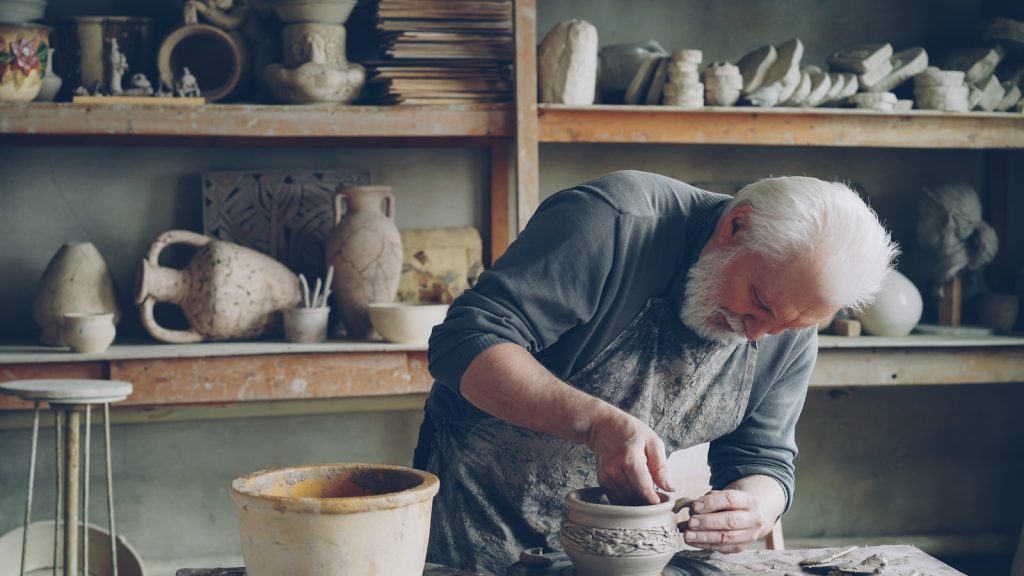
You probably played with Play-Doh, but pottery links you back to much older hands shaping clay for bowls and storage.
Making ceramics once meant basic utility and slowly became art; those simple skills grew into techniques museums now show.
You can still see echoes of those early forms in modern craft fairs and DIY pottery nights.
Constructing monumental architecture
You remember when cities chased sky-high statements—postmodern towers and bold civic centers dominated planning meetings.
Those 90s projects mixed flashy form with new tech, and you could spot them from miles away.
You felt pride when your town got a landmark, even if maintenance later became a headache.
Today those giants look like time capsules of 90s tastes and ambitions.
More from Vinyl and Velvet:

Leave a Reply