

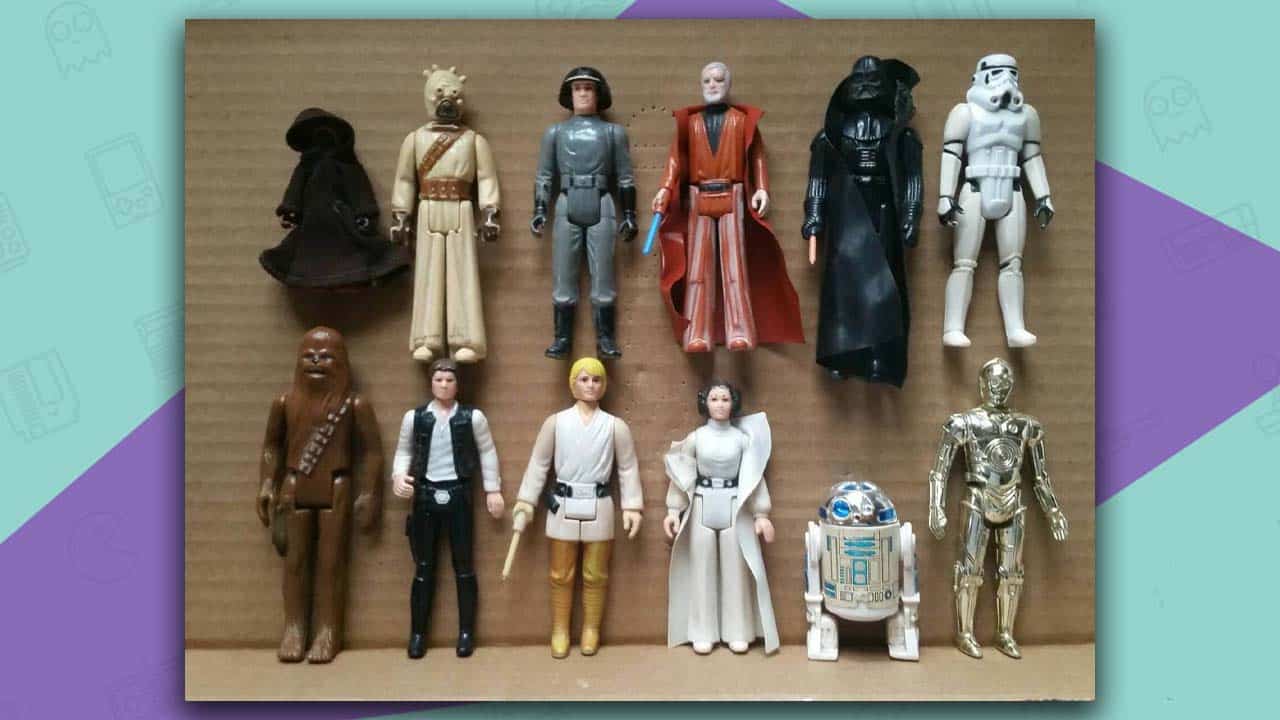
If you grew up in the 1980s, you probably remember a house where the floor was a minefield of toys, winter gear, and mysterious plastic gadgets. Parents sipped Tab in the kitchen while you and your siblings turned every room into a play zone, and the clutter that trailed behind you became part of the décor. Here are eight toys and objects ’80s kids left all over the house, and why they still define that decade of childhood chaos.
1) Tab cans, free‑range kids, and toys “all over the house” — how raising kids in the ’80s depicts a home where children “ran around” and left their stuff everywhere.
The picture of ’80s parenting often starts with parents parked at the kitchen table, drinking Tab while kids roamed from room to room with minimal supervision. Reporting on that era describes children who “ran around” the neighborhood and the house, dropping toys, books, and half-finished crafts wherever they stopped. With fewer organized activities and less hovering, your living room could morph from TV lounge to fort battlefield in a single afternoon, and no one rushed to restore order before dinner.
That relaxed approach meant kid clutter was not a crisis, it was background noise. Board games stayed spread across the coffee table for days, dolls camped on the couch, and plastic action figures lined the baseboards like tiny security guards. The stakes were practical as much as nostalgic, because this free‑range style gave kids independence while quietly training parents to navigate Lego-strewn carpets in the dark. The mess signaled a kind of freedom that still shapes how many people remember childhood.
2) The mystery gadgets only “true ’80s kids” recognize — specific objects from only true ’80s kids can identify that constantly migrated from bedrooms to living rooms.
Among the clutter, certain plastic and electronic gadgets became instant household fixtures, the kind only “true ’80s kids” can still identify on sight. These objects, from pocket-size games to chunky personal electronics, rarely stayed put in a single bedroom. You carried them to the couch during Saturday morning cartoons, abandoned them on the coffee table, then rediscovered them under a pile of magazines days later. Their bright colors and clicky buttons made them irresistible to fidget with while you watched TV or talked on the corded phone.
Because these gadgets blurred the line between toy and tool, they slipped into every corner of the house. They lived on TV stands, migrated to kitchen counters, and ended up wedged between couch cushions when someone got up too fast. For parents, this meant constantly negotiating around cords, cartridges, and plastic shells just to dust or vacuum. For kids, the omnipresence of these objects reinforced how technology was starting to shape playtime, turning the whole house into an early test lab for portable entertainment.
3) Winter toys dumped by the door — cold‑weather playthings from winter as an ’80s kid that ended up piled in hallways and near heaters.
Winter only amplified the clutter, as snow days sent kids outside with plastic sleds, snowball makers, and neon accessories that came right back into the house, dripping and forgotten. Accounts of winter as an ’80s kid describe how you bundled up, stayed out until your fingers went numb, then barreled through the front door leaving a trail of boots, mittens, and gear in the entryway. Those sleds and snow toys leaned against radiators or hall walls, slowly thawing onto the floor while you rushed to the TV for cartoons or hot chocolate.
Parents tolerated the mess because winter play kept kids busy and out of the house for hours. The tradeoff was a permanent pile of scarves, hats, and plastic snow gear that never quite made it back to the closet. For you, that jumble near the door was a staging area, proof that another snowball fight or backyard run was only a few minutes away. For today’s nostalgic adults, those cluttered hallways capture how seasonal toys turned even small homes into revolving doors between outdoor adventure and indoor sprawl.
4) A beloved ’80s toy from “18 Popular Toys From the 1980s That’ll Make You Want to Go Back in Time” — using the exact toy name from the 1980s toy list to show how it took over coffee tables and carpets.
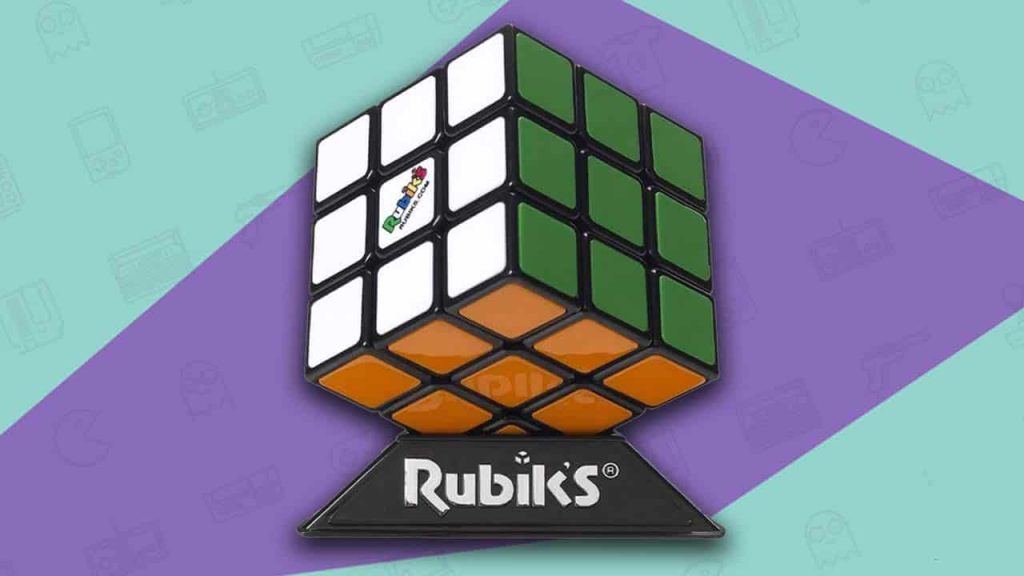
One of the most unforgettable clutter creators was the Rubik’s Cube, a toy that looked compact but somehow colonized every flat surface in the house. The cube’s bright colors and twisting sides invited constant tinkering, so you carried it from your bedroom to the living room, then left it half-solved on the coffee table when a show came on. Popular toy roundups from the decade still highlight the Rubik’s Cube as a defining object, precisely because it was always in someone’s hands or lying in plain sight.
For parents, the Rubik’s Cube was a rare toy that felt educational, which meant it earned a free pass to stay out instead of being shoved into a toy box. That leniency only increased its spread, turning couches, desks, and kitchen tables into puzzle stations. The toy’s presence signaled a shift toward brainteasers and logic games that blended play with problem solving. In hindsight, the scattered cubes also show how a single, simple object could dominate family spaces long before smartphones competed for attention.
5) Another “18 Popular Toys From the 1980s” classic — a second, specifically named toy from the same Popular Mechanics list that never stayed neatly in its box.
The My Little Pony line brought a different kind of chaos, one made of pastel plastic bodies, tangled manes, and tiny accessories that never stayed in their original packaging. Once a pony left its box, it traveled everywhere with you, from bedroom floor to bathtub edge to the back of the family sofa. Toy retrospectives point to My Little Pony as a cultural touchstone, and part of that impact came from how completely these figures infiltrated everyday spaces, often lined up on windowsills or clustered on coffee tables.
Because each pony had a name, symbol, and personality, you treated them like a roaming herd, staging elaborate adventures that sprawled across multiple rooms. Parents stepping through the house had to dodge hooves and brushes, sometimes scooping ponies into a laundry basket just to clear a path. The clutter mattered beyond simple mess, it reflected how character-driven toys encouraged storytelling that did not fit neatly inside a toy chest. Your home became the landscape for those narratives, and the ponies’ constant presence made that world feel permanent.
6) Tiny pieces from “18 Popular Toys From the 1980s” under every sofa cushion — a third distinct toy from the Popular Mechanics roundup whose parts were famously hard to corral.
No discussion of ’80s floor hazards is complete without LEGO, the building toy whose smallest bricks seemed magnetically drawn to bare feet. Sets arrived in boxes with tidy instructions, but within days the pieces migrated under sofas, into heating vents, and across bedroom carpets. Popular lists of 1980s toys still single out LEGO for its creative power, yet every parent remembers the sting of stepping on a stray 2×4 brick that escaped cleanup time. The more you built, the more the pieces multiplied in unexpected corners.
LEGO clutter also revealed how open-ended play reshaped the home. Instead of a single finished model, you constantly rebuilt spaceships, castles, and mashup creations that sprawled across low tables and rugs. Parents faced a choice between preserving your work or reclaiming the floor, often compromising by sliding half-built structures onto shelves while loose bricks lingered nearby. Those scattered pieces signaled a shift toward toys that rewarded imagination and engineering skills, even if it meant living with a permanent layer of plastic underfoot.
7) Everyday clutter from “Only True ’80s Kids Can Identify These Objects” — a fourth, specifically named object from thefw.com’s gallery that lived on TV stands, end tables, and bedroom floors.
Among the household objects that blurred into toy territory, the Fisher-Price tape recorder stands out as a piece of gear that rarely stayed in one place. Identified in galleries of ’80s objects that only insiders instantly recognize, this chunky recorder doubled as both audio equipment and plaything. You dragged it from your bedroom to the living room to record fake radio shows, then left it on the floor with its microphone cord snaking across the rug. Cassettes spilled out of their cases nearby, turning end tables into makeshift recording studios.
The tape recorder’s mobility meant it became part of the everyday clutter that defined the decade. It sat on TV stands, perched on kitchen counters during impromptu sing-alongs, and occasionally ended up under a bed when someone kicked it aside. For kids, that accessibility encouraged experimentation with sound, long before digital devices made recording effortless. For parents, the constant presence of the recorder and its tapes illustrated how media and creativity were seeping into domestic life, one tangled cord at a time.
8) The big picture of ’80s kid chaos — tying together the Tab‑sipping parents of raising kids in the ’80s, the nostalgic gear in only true ’80s kids can identify these objects, the snowy adventures in winter as an ’80s kid, and the toy explosion in 18 popular toys from the 1980s to show how ’80s homes were defined by toys left everywhere.
When you connect the Tab-sipping, free‑range parenting style, the mysterious gadgets only insiders recognize, the winter gear piled by the door, and the iconic toys like Rubik’s Cube, My Little Pony, LEGO, and the Fisher-Price tape recorder, a clear picture emerges. ’80s homes were not minimalist spaces, they were lived-in playgrounds where kid stuff flowed freely from room to room. Each object carried its own story, but together they formed a constant backdrop of color, plastic, and possibility that shaped how you moved through the world.
That clutter had real implications for family life and culture. It reflected a trust that kids could entertain themselves, even if it meant a mess, and it previewed how technology and media would soon saturate domestic spaces. For today’s parents, remembering those toys scattered across carpets and coffee tables can spark questions about how much freedom to give their own kids, and how much space to reserve for unstructured, analog play. The toys you left all over the house did more than trip adults, they helped define an entire generation’s sense of home.
More from Vinyl and Velvet:

Leave a Reply