

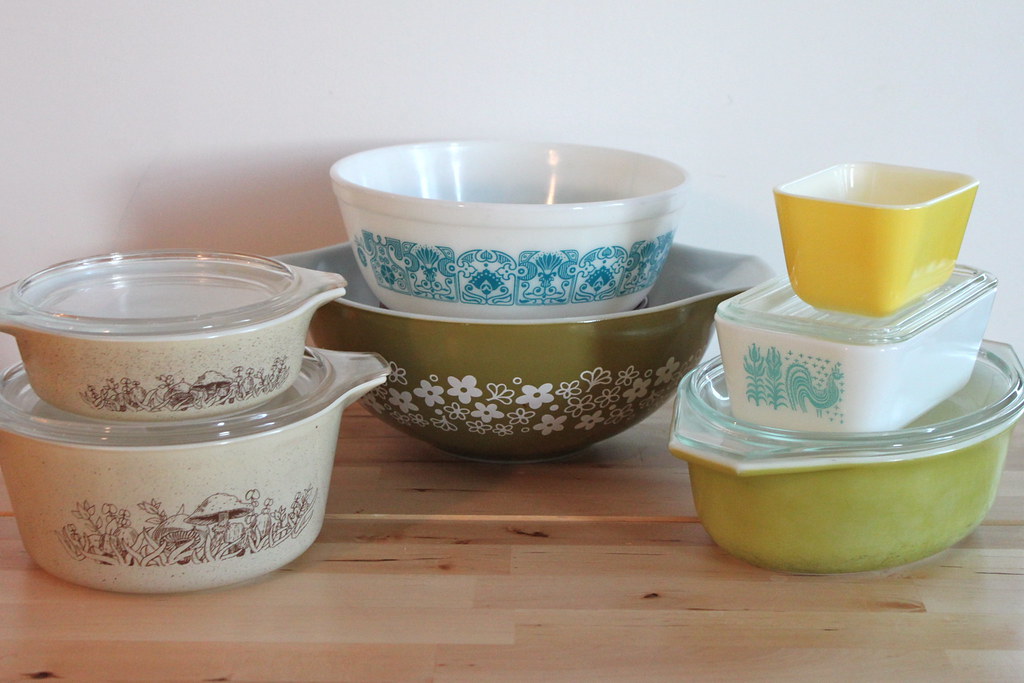
Your grandma’s 1950s kitchen was more than a place to cook, it was a showroom of color, chrome, and clever tools that still hold serious appeal today. Many of those everyday pieces now double as valuable collectibles and practical workhorses for a modern home. If you have any of these classics tucked in a cabinet, you may be sitting on both family history and real resale potential.
1) Pyrex Baking Dishes
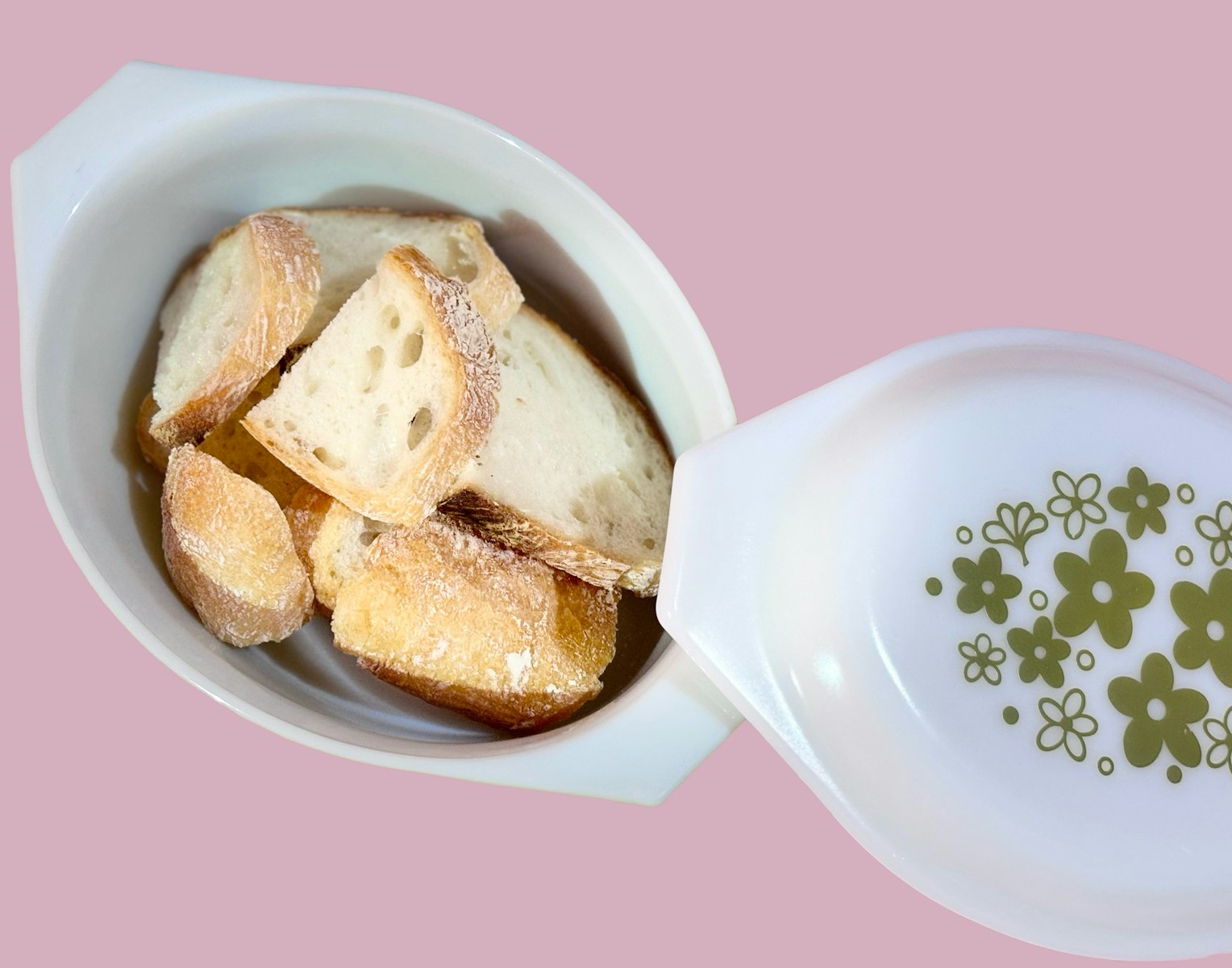
Pyrex baking dishes were the backbone of a ’50s kitchen, moving straight from oven to table in cheerful patterns that defined midcentury style. Collectors now hunt for specific colors and motifs, and vintage guides to kitchen items that are worth money single out Pyrex cookware as a standout category. Sets in patterns like snowflake or gooseberry can command strong prices when the lids and bowls are intact.
Beyond their value, these dishes still perform beautifully for casseroles, cobblers, and refrigerator storage, which is why they appear in expert lists of everyday pieces worth keeping. For homeowners, that combination of durability and demand means Pyrex can function daily while quietly appreciating on the shelf, turning a simple lasagna pan into a small but meaningful asset.
2) Cast Iron Skillets
Cast iron skillets anchored grandma’s stovetop, searing pork chops, frying chicken, and baking cornbread long before nonstick coatings arrived. Today, seasoned vintage pans are highlighted among secretly valuable items that might be hiding in an older kitchen, especially when they carry recognizable maker’s marks or unusually smooth interiors. Collectors prize early pieces for their heat retention and craftsmanship, which can translate into impressive resale prices.
From a practical standpoint, a well-maintained skillet can last for generations, so keeping one in rotation reduces the need for disposable cookware. As more home cooks seek out durable, repairable tools, demand for quality cast iron has grown, turning those heavy pans into both a cooking essential and a hedge against constantly replacing cheaper pots.
3) Enamelware Coffee Pots
Enamelware coffee pots, often in speckled blue or glossy red, were fixtures of 1950s morning routines, bubbling away on the stove or percolating on the counter. Guides to vintage ’50s kitchen accessories point to enamelware and percolators as defining accents that instantly evoke the era’s look. Their curved silhouettes and bold colors now read as statement pieces, whether you actually brew in them or simply display them on open shelving.
Because enamelware bridges both form and function, collectors and decorators treat these pots as crossover items that can live in a kitchen, dining room, or even on a bar cart. For you, that flexibility means a single heirloom coffee pot can support multiple design trends, from cottagecore to retro diner, while still reminding everyone where the family caffeine habit began.
4) Fiesta Dinnerware
Fiesta dinnerware brought saturated color to everyday meals, with stackable plates, bowls, and mugs that turned a simple meatloaf dinner into a bright tablescape. Expert roundups of everyday pieces worth a lot consistently flag Fiestaware as a category where certain hues and older backstamps can be surprisingly valuable. Collectors pay close attention to discontinued colors and complete place settings, which can significantly raise the market price.
At the same time, modern kitchens still rely on these pieces because they are sturdy, dishwasher friendly, and easy to mix with newer lines. That blend of usability and collector interest means your grandmother’s colorful stack is not just nostalgic, it is part of a broader trend toward investing in tableware that can move from casual weeknight dinners to curated display without losing relevance.
5) Wooden Recipe Box
A wooden recipe box, packed with handwritten cards, was the organizational hub of a 1950s kitchen, keeping family dishes and clipped newspaper recipes within arm’s reach. As design writers spotlight cool things from grandparents’ rooms that are back in style, small wooden storage pieces are being reimagined as decor and functional organizers. In the kitchen, that same logic applies to recipe boxes, which now double as sentimental archives and countertop accents.
Lists of timeless kitchen pieces to keep emphasize that handwritten recipes carry irreplaceable family history, something a digital file cannot fully replicate. For you, preserving the box means safeguarding not only potential vintage charm but also the lineage of techniques, measurements, and notes that define your family’s cooking identity, a form of heritage that gains importance as recipes move online.
6) Chrome Toaster
The chrome toaster, with its gleaming sides and rounded corners, captured the futuristic optimism of the 1950s breakfast table. Curated collections of vintage-inspired accessories show how that polished metal look still influences new appliances, from drink dispensers to countertop gadgets. Original midcentury toasters, especially those with working levers and intact logos, now appeal to both collectors and stylists.
Because these appliances were built with heavy-gauge metal and simple mechanics, many can be repaired rather than discarded, which aligns with current interest in reducing electronic waste. For homeowners, that durability, combined with the visual punch of chrome, turns an old toaster into a functional sculpture that supports both sustainability goals and a distinctive retro aesthetic.
7) Glass Mixing Bowls
Glass mixing bowls, often sold as nesting sets, were essential for whipping meringues, stirring batters, and marinating meats in a 1950s kitchen. Detailed lists of Vintage Items From Grandma highlight pieces like Jadeite glassware and other translucent bowls as categories that can be worth a lot of money when patterns and colors are desirable. Complete nesting sets with minimal scratching tend to attract the most attention.
From a practical angle, clear or colored glass lets you monitor dough texture and ingredient distribution, which is why many bakers still prefer it over opaque plastic. As more people return to home baking, demand for sturdy, visually appealing bowls has increased, turning those stacks in your cabinet into both everyday tools and potential collectibles that reward careful use instead of replacement.
8) Flour Sifter
The flour sifter, usually a hand-cranked metal cylinder, was indispensable for achieving the airy cakes and tender biscuits that defined midcentury baking. Roundups of Items in Your Grandmother’s Kitchen That Could Be Worth a Ton of Money note that humble tools, from copper cookware to Pyrex cookware, can gain value when they survive in good condition, and vintage sifters with bright graphics or advertising logos fit that pattern. Their mechanical simplicity makes them easy to restore and display.
For modern cooks, a sifter still improves texture in delicate recipes, so keeping one on hand has practical benefits beyond nostalgia. As interest grows in scratch baking and heritage techniques, these tools symbolize a slower, more hands-on approach to food, giving you a tangible link between contemporary kitchen trends and the way your grandmother once prepared every birthday cake from flour up.

Leave a Reply