

Step into a 1970s Christmas living room and you enter a world of saturated color, textured fabrics, and objects that felt both everyday and a little bit glamorous. Even if your own childhood looked different, certain details repeat across photos, memories, and vintage decor guides, creating a recognizable holiday “set.” Here are eight things you would almost always spot, from the tree to the tiniest tabletop accent, and why they still matter to how you think about comfort, nostalgia, and value today.
1) Aluminum or Artificial Christmas Tree Taking Center Stage
An aluminum or artificial Christmas tree usually claimed the prime corner of a 1970s living room, often in front of a big picture window so the lights could be seen from the street. By that decade, many families had shifted away from real trees toward reusable versions in metallic silver, deep green, or even white, treating them as long-term fixtures rather than one-season splurges. That habit of keeping decor for years is exactly what makes some “everyday” living room items surprisingly valuable today, as guides to vintage decor point out.
Because these trees came out year after year, they shaped how you remember the holidays, from the smell of the storage box to the ritual of fluffing each branch. Their presence also signaled a broader shift toward convenience and repeatable traditions, which still influences how you shop for pre-lit trees and reusable garlands now. For collectors and resellers, the survival of these artificial trees, especially in bold colors, shows how mid-century and 1970s design has moved from “dated” to desirable.
2) Shiny Glass Ornaments and Tinsel-Draped Branches
Shiny glass ornaments and long strands of tinsel were the jewelry of a 1970s Christmas living room. Families often reused the same delicate baubles for decades, carefully packing them away in cardboard dividers after the holidays. That habit of preserving small, fragile objects is the same instinct that makes people check their shelves and boxes for secretly valuable pieces in other rooms of the house. On the tree, reflective ornaments and tinsel amplified every colored bulb, turning even a modest living room into a glittering backdrop for family photos.
These decorations also carried emotional weight, because each ornament could mark a trip, a baby’s first Christmas, or a school craft project. Tinsel, which many kids draped in thick, chaotic clumps, became a visual shorthand for childhood freedom and festive excess. Today, when you see vintage glass ornaments in antique shops or online auctions, you are not just looking at decor, you are seeing how families invested meaning in small, repeatable rituals that made the living room feel like the heart of the season.
3) Console Television as the Holiday Hearth
A large console television often functioned as the modern hearth in a 1970s Christmas living room, with the tree positioned nearby so both could share the spotlight. The TV’s wood cabinet, sometimes topped with framed photos or a nativity scene, blended into the furniture while still pulling everyone’s attention. Saturday mornings, especially around the holidays, revolved around kids’ programming and cartoons, a routine that later nostalgia pieces describe as a hallmark of a “real 70s childhood” filled with specific weekend rituals.
During December, that same screen hosted animated specials, variety shows, and televised parades that families planned their evenings around. The TV’s central role meant the living room layout, from the sofa placement to the tree’s angle, was designed for shared viewing. That arrangement foreshadowed how later generations would build entire media rooms around screens, but in the 1970s it was still tied to seasonal togetherness, with bowls of snacks, afghans on laps, and the glow of both the tree and the broadcast filling the room.
4) Wood-Paneled Walls and Earth-Tone Carpeting
Wood-paneled walls and earth-tone carpeting created the visual envelope for a 1970s Christmas living room, wrapping the space in browns, oranges, and golds that made holiday reds and greens pop. Paneling, whether real wood or faux, gave the room a den-like coziness that felt especially pronounced when the tree lights were the only illumination. Thick shag or plush carpeting in avocado, rust, or harvest gold added texture underfoot, turning the floor into a soft stage for unwrapping presents and playing with new toys.
These finishes also reflected broader design trends that favored natural materials and warm palettes, which shaped how people understood comfort and “homey” style. When you see photos from that era, the contrast between the muted background and the bright holiday decor is striking, and it helps explain why so many people now associate 1970s Christmas with a kind of cinematic glow. For today’s homeowners, those images influence everything from retro-inspired paint choices to the renewed interest in paneled accent walls.
5) Patterned Sofas, Afghans, and Throw Pillows
Patterned sofas, crocheted afghans, and plump throw pillows turned the 1970s Christmas living room into a soft, layered nest. Couches often wore bold florals, geometrics, or plaids, and during the holidays they were draped with handmade blankets that relatives had worked on for months. Those textiles were not just decor, they were evidence of the kind of domestic craft that later writing guides, such as the St. Martin’s Handbook, might point to when asking how a passage reveals its point of view through concrete detail.
In practice, these pieces signaled care and continuity, because the same afghan might appear in every Christmas photo across a decade. The sofa became the default backdrop for posed portraits, gift-opening chaos, and post-dinner naps, so its patterns are etched into many people’s memories. Today, when you see a vintage crochet blanket or a 1970s floral couch in a thrift store, it can instantly evoke that layered, lived-in holiday comfort, influencing how you think about mixing patterns and handmade items in your own space.
6) Low Coffee Table Covered in Cards and Snacks
A low coffee table, often made of heavy wood or glass and brass, anchored the center of the 1970s Christmas living room and quickly disappeared under seasonal clutter. Stacks of greeting cards, bowls of nuts, plates of cookies, and maybe a jigsaw puzzle in progress all competed for space. The table’s surface became a constantly changing still life that reflected who had dropped by, what treats were being shared, and how the day’s activities unfolded.
Because the coffee table sat between the sofa and the tree, it also served as a staging area for gifts, cameras, and holiday magazines. That central role made it a quiet record of family habits, from which snacks were always present to which relatives sent cards every year. For anyone looking back, the memory of reaching across that table for one more cookie or flipping through a stack of cards is as much a part of the season as the tree itself, shaping how you still arrange and use your own living room surfaces in December.
7) Stereo Console, Record Player, or 8-Track Deck
A stereo console, record player, or 8-track deck provided the soundtrack to a 1970s Christmas living room, filling the house with carols, pop hits, and novelty songs. Often housed in a long, low cabinet that matched the TV, the stereo was both furniture and technology, with speakers hidden behind fabric grilles. Families built holiday traditions around specific albums, dropping the needle on the same records every year while decorating the tree or wrapping presents.
The physical act of selecting a record or sliding in an 8-track cartridge made music feel like a deliberate part of the celebration rather than background noise. That ritual reinforced the idea that sound could shape mood as powerfully as lights or scents, a lesson that still informs how you build playlists for gatherings today. For collectors, surviving 1970s holiday records and working consoles are tangible links to those evenings when the living room pulsed with both music and conversation.
8) Ceramic Light-Up Decorations and Nativity Scenes
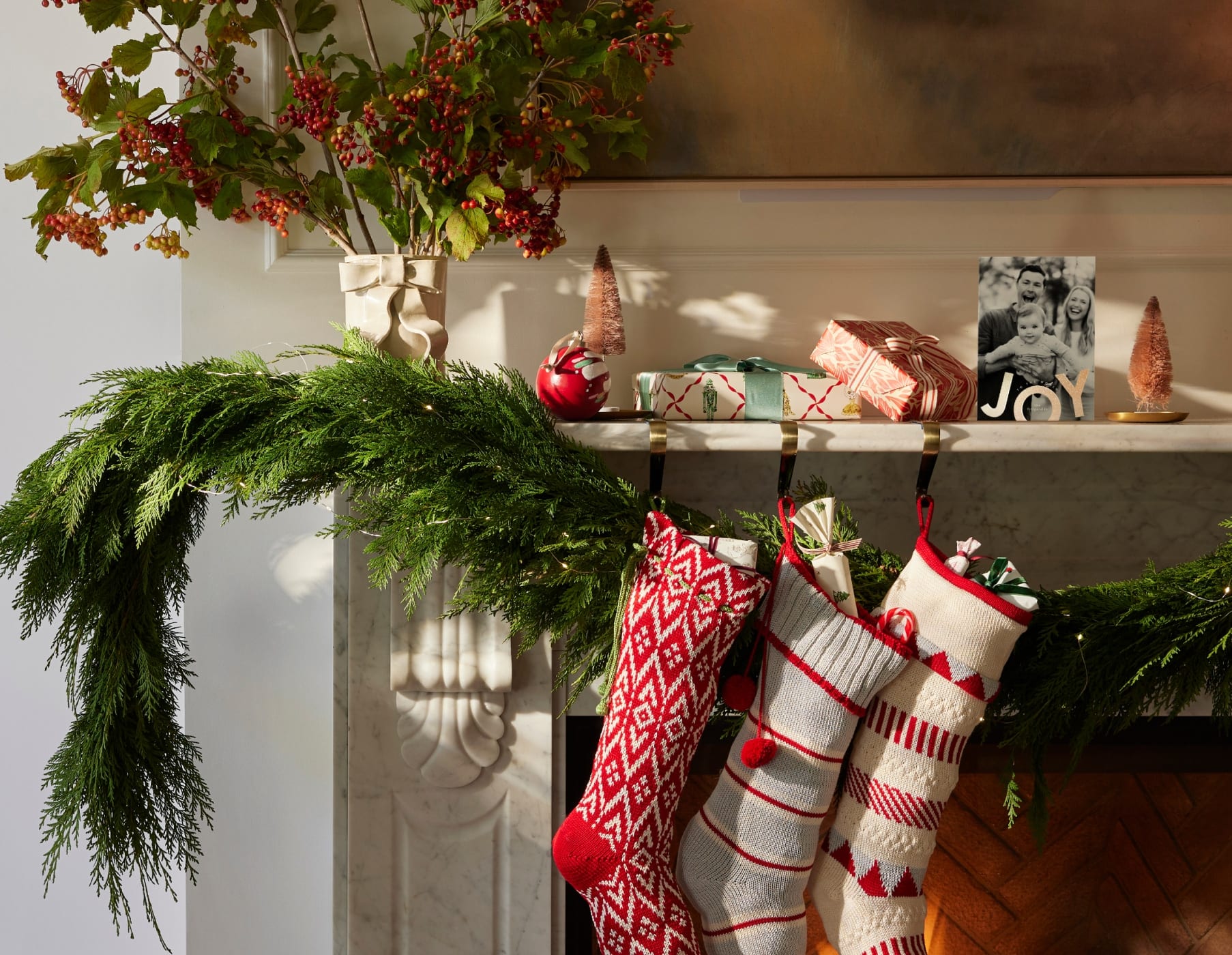
Ceramic light-up decorations and nativity scenes often occupied side tables, TV tops, or the mantel, adding small points of glow around the 1970s Christmas living room. Hand-painted ceramic trees with tiny plastic bulbs, illuminated churches, or village houses created miniature landscapes that echoed the larger tree nearby. Many of these pieces were made in local craft studios or at-home hobby classes, so they carried the pride of personal handiwork alongside their decorative function.
Nativity sets, whether simple or elaborate, signaled the religious dimension of the holiday for many households, and their annual appearance marked the start of the season as clearly as the tree itself. Because these items were unpacked and arranged with care, they often became heirlooms, passed down along with stories about who painted or purchased them. Today, when you encounter vintage ceramic trees or older nativity figures, you are seeing how small-scale, glowing objects helped complete the immersive holiday environment that defined a 1970s Christmas living room.
More from Vinyl and Velvet:

Leave a Reply