

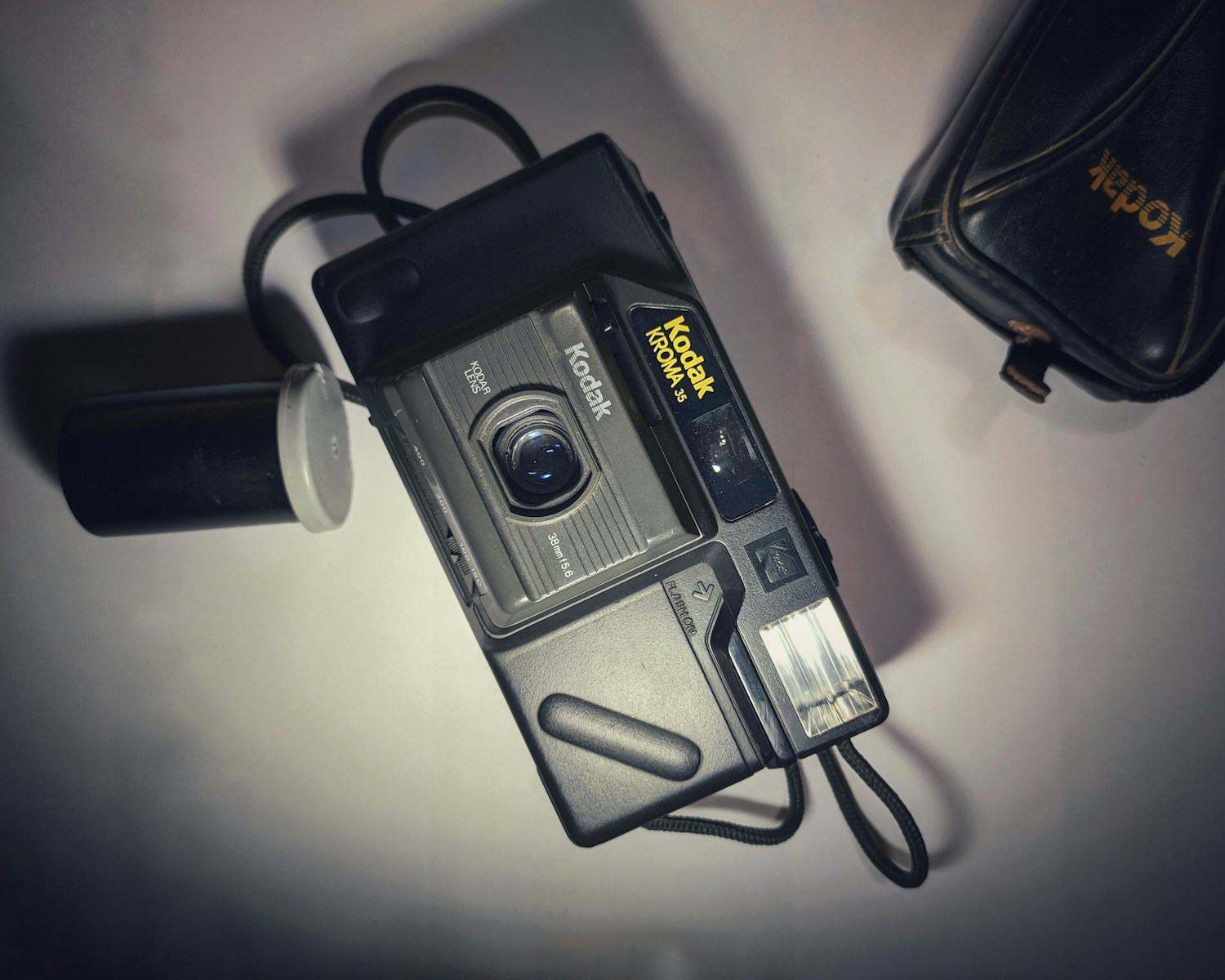
You grew up in a time when staying connected, sharing music, and capturing moments looked very different. This article takes you through everyday objects and habits from the 2000s that now seem alien to younger people — from the sound of a modem to the snap of a disposable camera.
You’ll recognize tools and routines that shaped how you lived, worked, and played, and you’ll get a quick reminder of why they mattered before smartphones and streaming rewired daily life.
Dial-up internet
You remember the screechy handshake of a modem and waiting while the connection negotiated itself.
That slow, single-phone-line internet meant you couldn’t use the landline and the web at the same time without a second phone jack.
Pages loaded piece by piece and streaming was a fantasy, so you learned to be patient and to prioritize what actually needed to load.
For many today, instant Wi‑Fi makes that ritual sound almost fictional.
Flip phones
You used to flip a phone shut to end a call, not tap a screen.
Those clamshell devices had physical keys, tiny screens, and batteries that lasted days instead of hours.
Today some Gen Zers buy flip phones for a digital break or nostalgia, enjoying simpler texting and fewer apps.
You might find the idea strange if you grew up with smartphones, but flip phones changed how people talked and carried themselves in the 2000s.
CD Walkman
You carried your music in a chunky player and swapped discs on the go.
Battery life and skipping during jogs were constant annoyances, but owning albums felt tactile and personal.
You had to rewind or fast-forward to find a track, so playlists meant planning ahead.
For many, the CD Walkman defined how you traveled with music before streaming made everything instant.
Disposable cameras
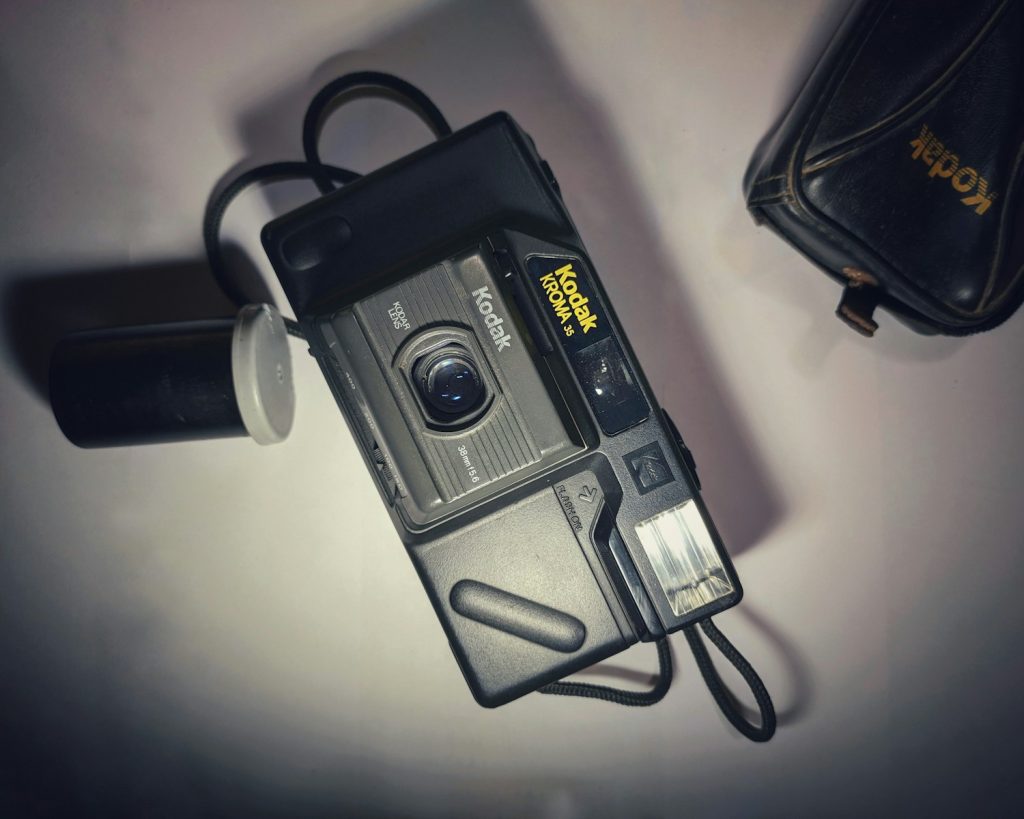
You used to grab a single-use camera for parties, vacations, or school trips and hand it around for candid shots. No preview screen, no instant delete — you trusted the moment.
Developing film took days, so you waited to see how the photos turned out, which made prints feel more special. Now Gen Z is rediscovering that slow, analog surprise and the low-stakes vibe of less-curated photos.
VHS tapes
You probably saw VHS only in movies or thrift-store bins, not in your living room.
Families rewound tapes with a shelf full of clunky black cassettes and planned movie nights around what was available to rent.
To watch, you fed the tape into a VCR and waited for the tracking to sync; commercials were part of the experience.
If a tape jammed or wore out, you learned quick fixes—pencil rewinds and splicing tape—because digital backups didn’t exist.
Polaroid instant cameras
You used to point, click, and wait as a photo slowly appeared in your hands. The unpredictability — light leaks, soft focus, that white frame — made each shot feel unique.
You couldn’t instantly edit or delete a bad picture. That limitation taught you to be deliberate and to value physical prints instead of endless scrolling.
Payphones
You used to carry spare change or a phone card just in case your battery died.
Finding a booth, dialing, and listening for the click felt routine on trips or late nights.
Payphones lived in malls, airports, and on street corners, often scratched and sticky from heavy use.
Now you probably only see one as a relic or in a period movie.
MP3 players
You carried a tiny music library in your pocket long before streaming made playlists instant.
You had to rip CDs, transfer files via USB, and manage storage so your favorites would fit.
You learned to live with earbuds that tangled and battery life that mattered.
Passing a device to a friend meant physically handing over the player, not sharing a link.
More from Vinyl and Velvet:

Leave a Reply