

You grew up in an era where planning felt like a skill—and now you live in an era where instant access makes that skill feel vintage. This piece shows how ordinary tasks that once took time, coordination, or patience now happen in seconds, so you can appreciate how expectations around planning have shifted and why that matters for everyday life.
You’ll see how mixtapes, landlines, film development, paper maps, in-person ticket lines, payphones, VHS orbits, and handwritten letters used to shape schedules and social norms—and how instant tech rewrote the rules.
Developing a mix-tape for road trips and waiting days for the perfect song order
You hunted down songs on vinyl, radio, or friends’ tapes and then mapped them onto blank cassette sides.
You’d test transitions by ear, rewind and re-record, and sometimes wait days to get the sequence that felt right.
Now you open a playlist app and drag tracks until the flow clicks.
You still care about mood and pacing, but the process happens in minutes instead of an afternoon of tape splicing.
Calling friends on landlines and hoping they’d be home to answer
You dialed, listened for the ring, and crossed your fingers someone at home would pick up.
If no one answered, you left a message with a parent or tried again later — plans waited.
You couldn’t text or DM; you scheduled calls around dinners and TV shows.
Now you reach someone instantly any time, and that uncertainty feels oddly nostalgic.
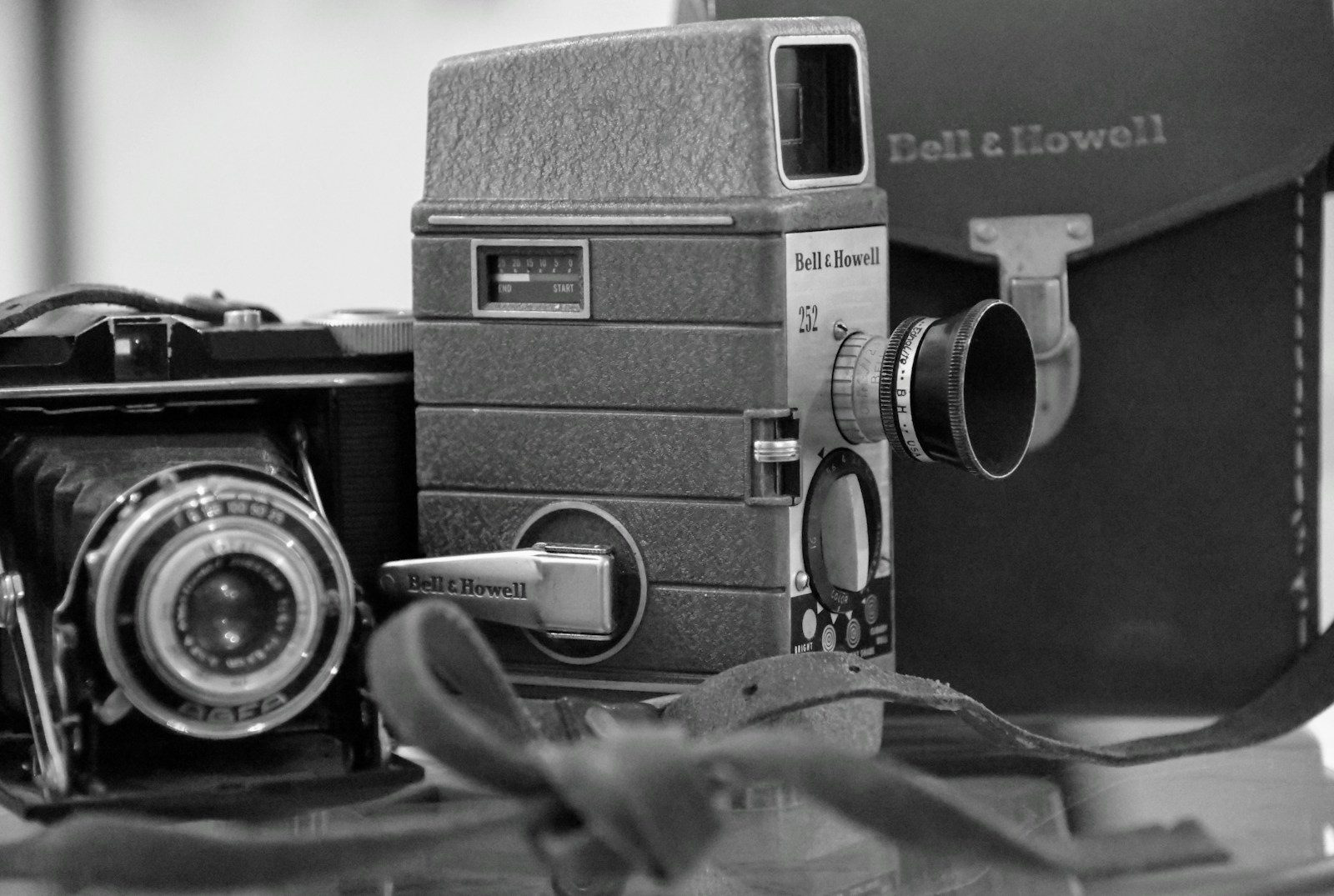
Waiting for film to be developed before seeing vacation photos
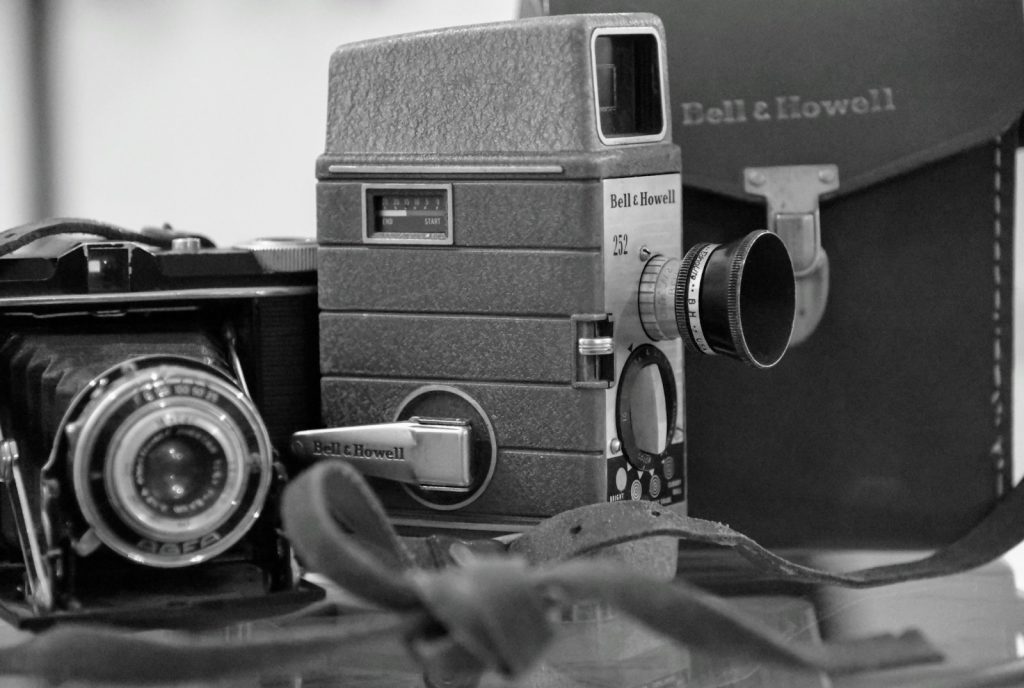
You shot a roll across the vacation and then tucked the camera away, knowing you’d wait days or weeks to see the results. That delay meant you planned shots more carefully and hoped the lighting and focus had worked out.
When prints finally arrived, surprises were normal — both the great and the ruined. Today you tap the screen and instantly know what you caught.
Physical maps and printed directions planned out before driving anywhere
You laid out paper maps on the kitchen table and penciled your route like it mattered.
You’d print or scribble step-by-step directions and mark gas stops or restrooms for peace of mind.
If you missed a turn, you pulled over to reorient instead of rerouting instantly.
Planning took time, but it made you less likely to get lost on long drives.
Buying concert or event tickets in person without instant online access
You waited in line at the box office and hoped the show wasn’t sold out by the time you reached the window.
You called multiple phone numbers and checked newspaper listings, juggling work and transit to make the date.
You planned for presales by mailing or standing outside venues early, sometimes missing other plans.
Now you tap, buy, and get a digital ticket in seconds, but back then you needed time, patience, and a bit of luck.
Using payphones when out and about without a cell phone
You learned to scan sidewalks and subway stations for a payphone before you left the house.
Carrying coins became a small ritual — quarters, dimes, sometimes an emergency roll of change.
You practiced quick conversations to save money and time, and memorized operator tricks like collect calls.
Today you barely notice how effortless calling someone has become.
Waiting for TV show reruns or recording on VHS to catch missed episodes
You had to plan your evenings around TV schedules or hope a rerun would show up weeks later.
If you missed an episode, you booted up the VCR, threaded the tape, and prayed the batteries in the remote held out.
Today you press a button and start the episode instantly — no tapes, no guessing.
Features like DVR rewind and streaming libraries make that wait almost unthinkable.
Sending handwritten letters and waiting days or weeks for replies
You planned conversations around postal schedules, not instant pings.
Writing a letter meant choosing words carefully and accepting a slow return.
You dropped the envelope in a mailbox and waited — sometimes days, sometimes weeks.
That delay made replies feel heavier, more deliberate, and often more meaningful.
More from Vinyl and Velvet:

Leave a Reply