

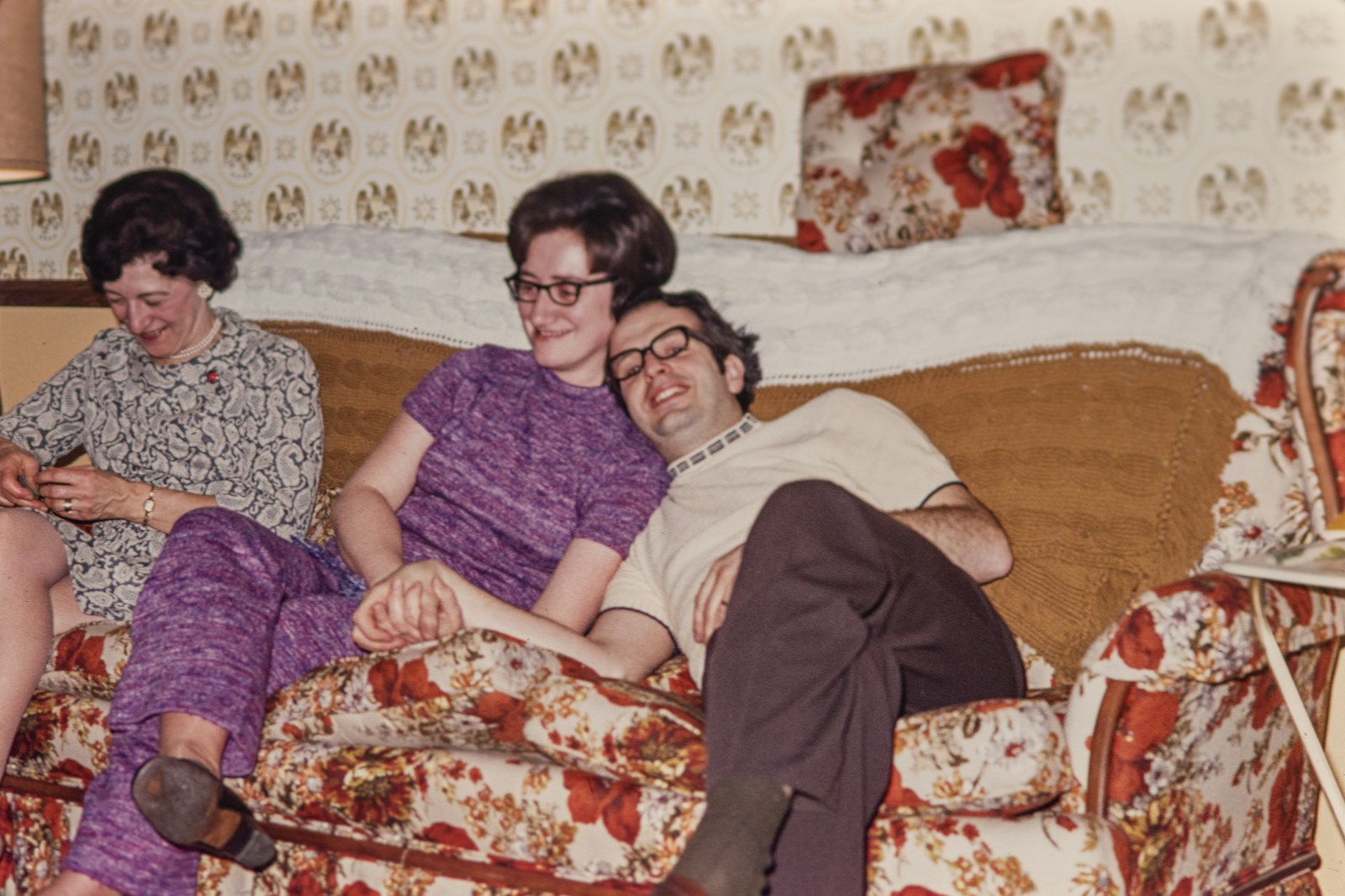
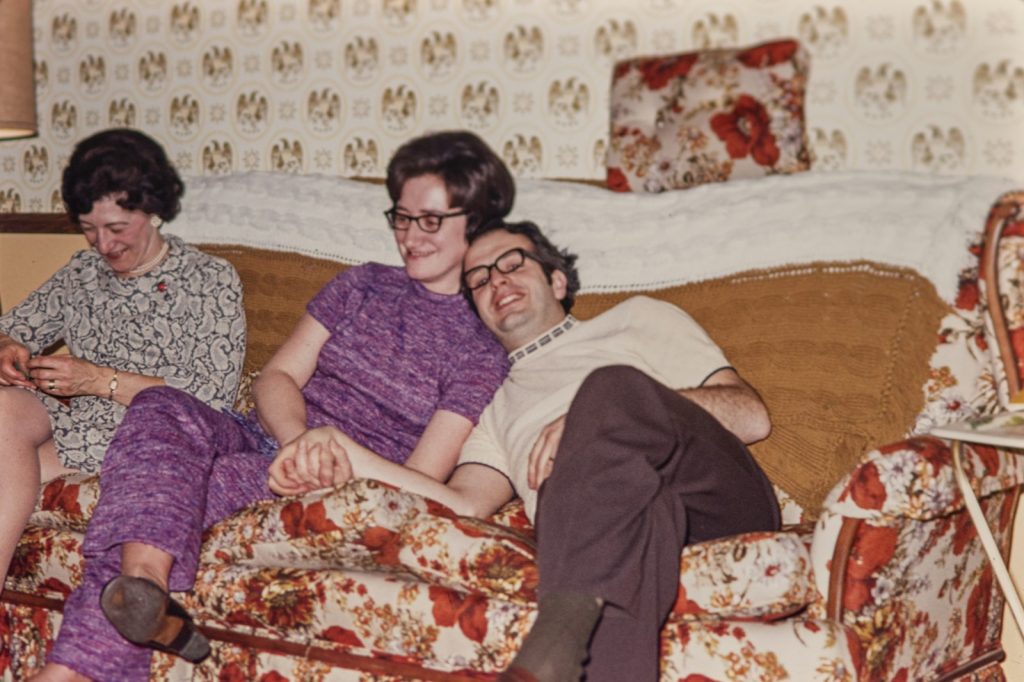
The ’60s living room was a confident mix of technology, texture, and formality, and many of its signatures are resurfacing in today’s homes. By looking closely at what filled those spaces, you can see why some details feel fresh again while others now read as dated. Use these eight classics, and cautionary tales, to shape a living room that nods to the past without getting stuck in it.
1) The Iconic Console TV
The Iconic Console TV was the undisputed star of the ’60s living room, a bulky wooden cabinet that turned television into furniture. Recent reporting on things from your grandparents’ living room notes that this central entertainment piece is seeing a revival as a retro focal point. Today, you might tuck a flat screen into a vintage cabinet or repurpose an old console as a media credenza, keeping the sculptural silhouette while updating the tech inside.
Designers see this comeback as part of a broader shift away from black-box electronics toward integrated, furniture-like solutions. When you treat your TV as an object to style, not just a screen to mount, you gain surface area for lamps, books, and art. The stakes are visual and social, because a console-style setup encourages conversation zones instead of a room dominated by a single glowing rectangle.
2) Shag Carpet Flooring
Shag Carpet Flooring covered countless ’60s living rooms, with deep pile that made every step feel cushioned. That wall-to-wall look later became shorthand for dated design, yet current coverage of grandparents’ decor highlights how plush, textured rugs are making a comeback as a cozy counterpoint to hard floors. Instead of full-room carpeting, you now see large shag area rugs layered over wood or tile, which keeps the retro softness while avoiding the maintenance headaches of broadloom.
Texture is the key reason shag is back in rotation. In a room full of sleek surfaces, a thick rug instantly warms the mood and absorbs sound, which matters in open-plan homes where noise travels. If you want the ’60s vibe without the visual overload, choose a neutral or tone-on-tone shag and let the pile height, not loud color, do the talking. That balance keeps your living room nostalgic yet current.
3) Danish Modern Furniture
Danish Modern Furniture, with its low-slung sofas, tapered legs, and clean lines, was a defining feature of stylish ’60s homes. Reporting on grandparents’ living rooms points out that these mid-century silhouettes are prized again for their timeless proportions and unfussy profiles. A single teak sideboard or streamlined lounge chair can anchor your space, giving you the same calm geometry that appealed to homeowners more than half a century ago.
The renewed interest in Danish pieces reflects a larger move toward investment furniture that outlasts trends. Solid wood frames and wool or leather upholstery age gracefully, which is crucial if you want a living room that evolves instead of needing a full overhaul every few years. Pairing these classics with contemporary lighting or bold art keeps them from feeling like a museum set, proving that ’60s style can be a flexible foundation rather than a costume.
4) Bold Patterned Wallpaper
Bold Patterned Wallpaper wrapped many ’60s living rooms in florals, geometrics, and saturated color. Current design coverage notes that these vibrant wall treatments are back, but in more strategic ways, such as a single accent wall or a powder room-style moment behind a sofa. Instead of papering every surface, you might choose one large-scale print to frame a seating area and let the rest of the room breathe with solid paint.
The stakes here are visual energy and personality. Patterned paper can disguise imperfect walls and instantly define a zone in an open layout, which is valuable if your living room doubles as a workspace or play area. To keep the look modern, designers suggest pairing busy prints with simple furniture and limited color palettes. That approach honors the fearless spirit of the ’60s without recreating its most overwhelming rooms.
5) The Bar Cart
The Bar Cart was a social hub in ’60s living rooms, rolling out cocktails and glassware whenever guests arrived. Recent style guides show how a mid-century bar cart can still transform a space, with one MCM setup described as “Perfect for” adding both elegance and function. Stocked with decanters, ice buckets, and a few favorite spirits, it becomes a compact hospitality station that signals you are ready to host.
Today, the cart’s role often extends beyond drinks. You might layer in coffee table books, a small plant, or a Bluetooth speaker, turning it into a flexible side table on wheels. That adaptability is why the bar cart keeps returning in trend cycles. It offers the ritual and glamour of ’60s entertaining while fitting neatly into smaller apartments and multipurpose living rooms.
6) Wall-Mounted Shelving Units
Wall-Mounted Shelving Units were a practical staple in ’60s living rooms, holding books, ceramics, and family photos in long horizontal runs. Coverage of grandparents’ decor notes that these modular systems are appreciated again for their space-saving appeal, especially in compact homes. By lifting storage off the floor, you free up room for seating and create a lighter, more open footprint.
Modern versions often mix closed cabinets with open shelves, which helps you hide clutter while still displaying favorite objects. The visual rhythm of repeated shelves also gives your living room a built-in look without the cost of custom millwork. For renters or anyone who likes to rearrange, modular rails and brackets make it easy to reconfigure sections as your needs change, echoing the flexible spirit of the original ’60s units.
7) Heavy Drapery Treatments
Heavy Drapery Treatments, with thick fabrics and elaborate swags, once signaled formality in both dining and living rooms. Designers now flag these layered window coverings as a key feature that makes a room feel stuck in the past, noting in one analysis of dated dining rooms that such treatments can visually shrink a space. When you carry that insight into the living room, it becomes clear that bulky drapes can block natural light and compete with your furniture.
Switching to simpler panels or woven shades has real impact on how you use the room. Brighter, cleaner windows make colors read truer and help small spaces feel larger, which is crucial in city apartments and older homes with modest square footage. If you love the drama of fabric, consider floor-length linen in a solid color, which nods to ’60s glamour without the fussy valances that designers now see as aging a space.
8) Ornate China Cabinets
Ornate China Cabinets, often carved and glass-fronted, were once prized display pieces that telegraphed formality in mid-century homes. Contemporary designers caution that these hulking units can make a room feel cramped, identifying them among the choices that leave a dining space looking dated in coverage of 8 things that make your dining room look dated. The same logic applies in a living room, where a towering cabinet can overwhelm seating and block sightlines.
Instead of a single massive piece, you might opt for a low credenza paired with open shelving, which spreads storage horizontally and keeps the room feeling airy. This shift reflects a broader move away from formal display of china toward more casual, lived-in styling. By editing out one oversized cabinet, you gain wall space for art, improve traffic flow, and prevent your living room from slipping into museum territory.

Leave a Reply