

You probably remember a time when your online life, social hangouts, and entertainment routines depended on gadgets and services that now feel almost quaint. This article walks you through eight technologies from the 2000s that shaped daily life back then but have since disappeared or been replaced.
You’ll see why familiar things like noisy internet connections, early social platforms, and chunky electronics mattered, and how their disappearance changed the way you connect, listen, and play.
Dial-up Internet
You remember the screeching handshake and the slow crawl of web pages. It used a phone line and tied up your phone while you browsed.
Speeds topped out around 56 Kbps, enough for email and basic sites but poor for media. Broadband and fiber replaced it, making always-on, high-speed access the norm.
MySpace
You probably spent hours customizing your MySpace profile with HTML, playlists, and glittery backgrounds.
It made discovering new bands easy and let you control how you presented yourself online.
By the late 2000s, users migrated to streamlined networks and MySpace pivoted toward music and entertainment.
Now it survives as a niche site for artists, but the social hub it once was is gone.
Blockbuster Video Stores
You remember walking into a Blockbuster and scanning towering shelves for movie night picks. The stores made browsing social and immediate — no buffering, just physical copies you could hold.
When online rental-by-mail and later streaming services grew, Blockbuster struggled to shift away from its heavy retail focus. Most stores shut down, leaving one nostalgic location in Bend, Oregon and a lot of memories.
Flip Phones
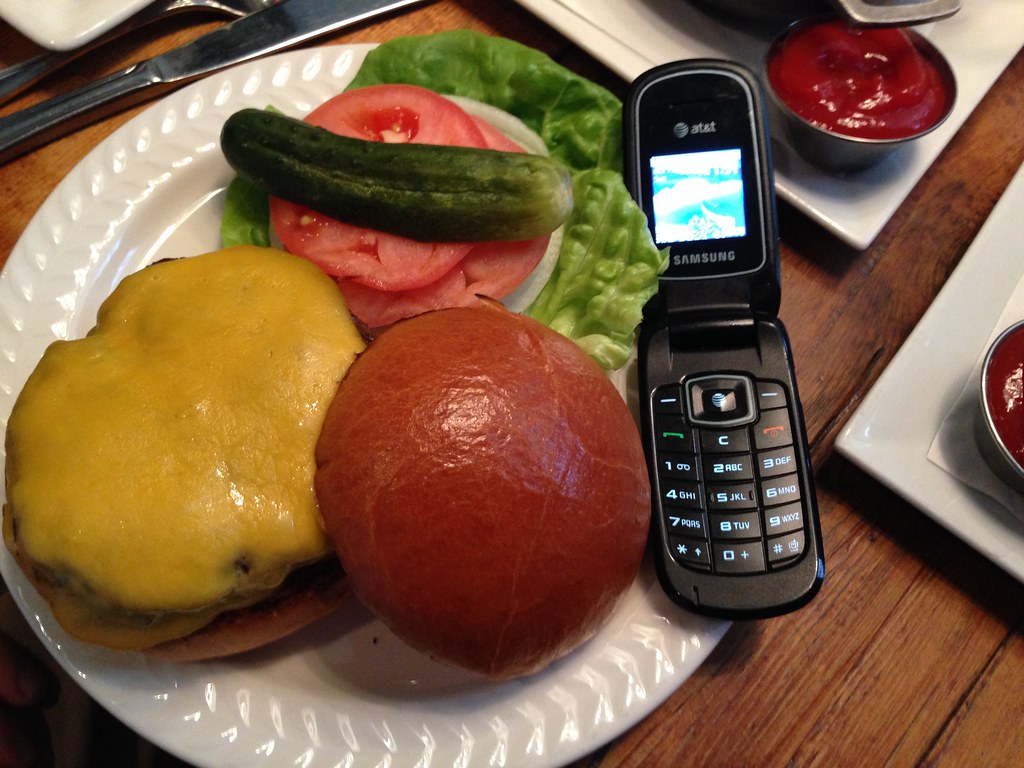
You probably remember snapping a flip phone open to answer calls or check a tiny screen.
They gave simple calling, long battery life, and a satisfying clamshell click that smartphones don’t replicate.
Back then you used them mostly for talking and texting, not apps or constant internet.
Now a few nostalgia-driven models exist, but the classic compact flip phone largely vanished from everyday use.
Portable MP3 Players
You probably remember stuffing a tiny MP3 player into your pocket and carrying thousands of songs without a phone.
Those devices made music portable and simple, with click wheels, tiny screens, and earbuds that tangled anyway.
By the late 2000s smartphones took over, folding music, apps, and streaming into one device you already carried.
Dedicated players still exist for audiophiles and minimalists, but they no longer hold the central place they once did.
Arcade Machines
You probably remember feeding quarters into cabinets to chase high scores and multiplayer bragging rights.
Those coin-op halls once anchored malls and arcades, offering social play and hardware that home consoles couldn’t match.
As home consoles, PCs, and emulation improved, you stopped needing dedicated machines for the same experiences.
Today a few venues and collectors keep cabinets alive, but for most people arcade play moved into homes and mobile devices.
PDA Devices
You probably carried a PDA to manage contacts, calendars, and quick notes before smartphones took over.
They fit in your hand, offered touch or stylus input, and synced with your PC for backups.
By the mid-2000s PDAs felt essential for mobile productivity, but smartphones combined phone, web, and apps into one device.
Now PDAs survive only as niche handhelds or collectors’ items, remembered for shaping how you use mobile devices today.
CRT Televisions
You probably remember the bulky CRT set that dominated living rooms in the 1990s and early 2000s. It used a heavy glass tube to fire electrons at the screen, which gave games and shows a distinct look you might still prefer for retro gaming.
By the late 2000s flat panels like LCD and plasma became cheaper and thinner, so manufacturers phased out CRTs. If you keep one now, it’s usually for nostalgia or specific vintage uses rather than everyday TV watching.
More from Vinyl and Velvet:

Leave a Reply