

For kids who grew up before smartphones and streaming, Christmas morning followed a script that felt almost universal. Today’s children still wake up to presents and excitement, but many of the small rituals that shaped earlier holidays would seem strangely complicated or slow. These eight retro Christmas morning habits capture how different the season felt when your patience, imagination, and a few analog gadgets did most of the work.
1) Sneaking a Flashlight Peek at the Toy Catalog Stack
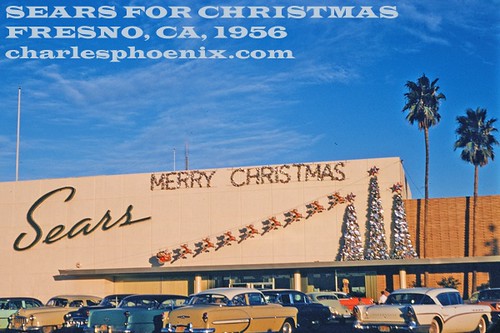
Sneaking a flashlight peek at the toy catalog stack was a full-season ritual that shaped Christmas morning long before you touched a present. You might have spent weeks circling toys in thick paper catalogs, then hidden them under your bed so you could reread every description in the dark. That slow, page-by-page browsing trained you to memorize model names, colors, and tiny product photos, because there was no instant search or video review to check again later.
Kids today, used to tapping through apps and scrolling curated gift lists, rarely experience that kind of analog anticipation. The catalog ritual demanded patience and imagination, since you had to picture how a toy would feel and sound based on a few static images. It also gave you a sense of limits, because you could see everything on offer in one place instead of an endless online feed. That combination of scarcity and focus is a big reason older generations remember those paper wish lists so vividly.
2) Waiting for Parents to Load a Film Camera
Waiting for parents to load a film camera meant Christmas morning started with a pause, not a burst of selfies. Before anyone could tear into wrapping paper, a parent might fumble with a plastic canister, thread 35mm film, and check that the little rewind crank was turning. Every click of the shutter felt important, because each roll only held a limited number of shots and you would not see the results until days or weeks later.
For kids raised on instant phone galleries, that delay is almost impossible to imagine. There was no retake if you blinked or held the box upside down, and no way to delete an awkward expression. The stakes were higher, so you stood still, smiled on command, and waited for the flash. That scarcity made the few surviving prints powerful family artifacts, shaping how you remember those mornings long after the toys themselves disappeared.
3) Tearing Into Gifts Wrapped in Crinkly 1970s Paper
Tearing into gifts wrapped in crinkly 1970s paper was a sensory experience that set the tone for the whole day. Many families used bold, saturated patterns, metallic accents, and thick paper that made a distinctive ripping sound when you finally got the go-ahead. That texture and noise turned unwrapping into a performance, with every tear echoing through the room while relatives watched from the couch.
Today’s gift bags and minimalist designs feel efficient but less dramatic by comparison. The older ritual required more effort, from carefully wrapping boxes the night before to wrestling with stubborn tape in the morning. It also created a kind of visual chaos on the floor, as shredded paper piled up around you like a second snowfall. That mess signaled abundance and celebration, and cleaning it up together became part of the shared memory of the holiday.
4) Racing to the Living Room for a Wood-Console TV Reveal
Racing to the living room for a wood-console TV reveal meant your first glimpse of Christmas morning often came framed by a heavy piece of furniture. Large televisions were built into wooden cabinets that dominated the room, and the glow from the screen mixed with the lights on the tree. You might have turned on cartoons or a holiday parade while still in pajamas, using the TV as a backdrop for opening presents.
For kids who stream shows on tablets, the idea of gathering around a single, immovable screen feels outdated. Yet that shared focal point helped define the rhythm of the morning, from background music to classic specials that aired only once a year. Some families still remember how those big cabinets anchored their holiday photos, a reminder that technology used to be a fixed part of the room instead of something you carried in your pocket.
5) Discovering a Shiny Aluminum Christmas Tree
Discovering a shiny aluminum Christmas tree on Christmas morning captured a very specific retro aesthetic that kids today might find surreal. Instead of natural branches, these trees used metallic needles that reflected colored lights and sometimes rotated on a motorized stand. The effect turned your living room into something closer to a space-age display, with ornaments and tinsel catching every glint.
Modern artificial trees tend to imitate real evergreens, so the unapologetically artificial look of aluminum versions can be hard to grasp. Yet for many families, that futuristic style was part of the excitement, especially when paired with other period details from 1970s Christmas mornings. The tree’s shimmer made even simple gifts feel theatrical, and the novelty signaled that the holiday was as much about spectacle as tradition.
6) Lining Up to Call Relatives on the Kitchen Wall Phone
Lining up to call relatives on the kitchen wall phone turned Christmas morning into a rotating check-in, not a constant group chat. After presents, you might have taken turns standing by a corded handset, reciting thank-yous while the coiled cable stretched across the room. Long-distance calls were often brief and carefully timed, because every extra minute could add to the bill.
Kids who grow up with unlimited video calls rarely confront that kind of constraint. The ritual of waiting your turn, holding the receiver with both hands, and shouting over background noise made those conversations feel formal and important. It also meant news of your new toys traveled slowly, one relative at a time, instead of appearing instantly in a shared photo album. That pace gave each conversation weight, even if you only spoke for a few minutes.
7) Playing with Toys Before Reading the Instruction Booklet
Playing with toys before reading the instruction booklet was practically a Christmas sport. You might have ripped open a box, tossed aside folded paper manuals, and tried to figure out how everything worked by trial and error. Whether it was a plastic race track, a battery-powered robot, or a complicated board game, the first hour often involved guesswork, minor frustration, and a lot of improvisation.
Today’s kids can search for video tutorials or app-based guides within seconds, so they rarely face that same learning curve. Earlier generations had to rely on diagrams and tiny print, or wait for an older sibling to decode the steps. That slower process encouraged patience and problem-solving, but it also meant some toys never quite worked as intended. The shared struggle became part of the story, turning even misassembled gadgets into memorable parts of the morning.
8) Waiting All Year for a Single Holiday TV Special
Waiting all year for a single holiday TV special shaped how you experienced Christmas morning and the season around it. You might have planned your evening around one animated classic or variety show, knowing it would air only once and then disappear. That scarcity made the broadcast feel like an event, and the characters and songs often became part of your morning chatter as you opened gifts the next day.
For kids who can stream entire libraries on demand, the idea of scheduling your excitement around a fixed broadcast seems foreign. Yet that limitation heightened the emotional payoff, much like other childhood rituals that required patience. The shared viewing experience, from commercials to closing credits, gave everyone the same reference points, turning a single program into a cultural anchor for the holiday.
More from Vinyl and Velvet:

Leave a Reply