

Some snacks do more than satisfy a craving, they instantly transport you back to family kitchens, school lunchrooms and long summer evenings. The most memorable retro treats from the 1960s and early 1970s are the ones that still trigger vivid scenes in your mind, from birthday parties to VE Day commemorations. These eight nostalgic snacks capture that feeling, each one tied to specific memories that reporting shows people are still eager to relive.
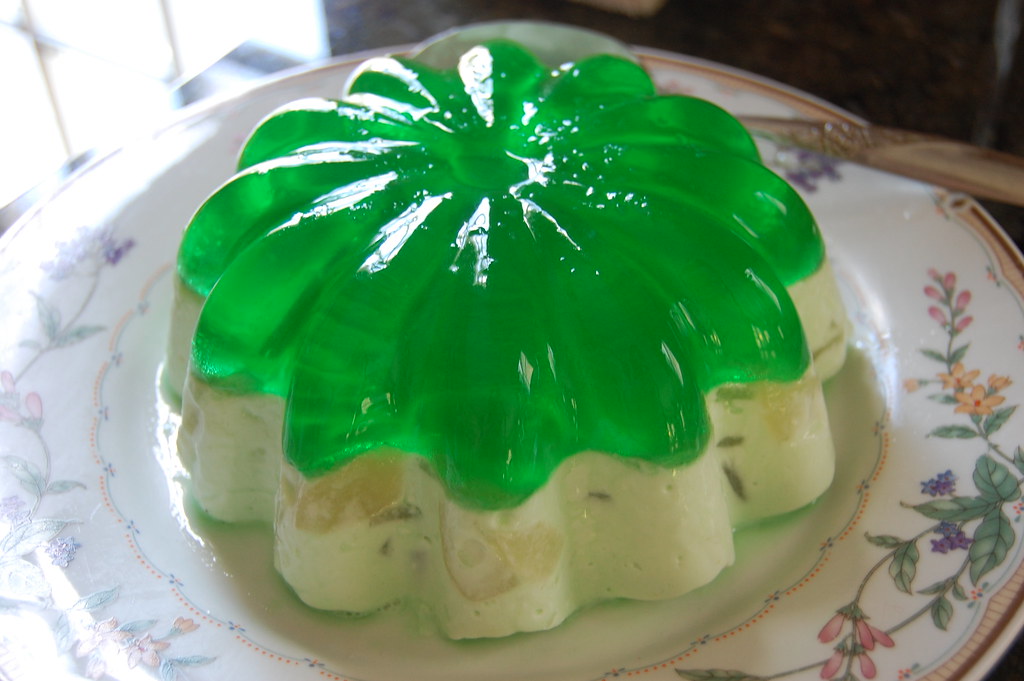
1) Jell-O Molds
Jell-O molds capture the essence of big family gatherings, when dessert was as much a centerpiece as the roast. Reporting on things you’ll remember doing if you grew up in the 1970s highlights how shared rituals, from sitting around the television to crowding into small kitchens, defined that era. A shimmering ring of lime or strawberry gelatin, often studded with canned fruit or whipped topping, fit perfectly into that routine, arriving at the table just as everyone settled in after a long day.
For you, the power of a Jell-O mold is less about flavor and more about the choreography around it, the clatter of Pyrex dishes, the careful unmolding, the way children waited for the first wobbly slice. Those details matter because they show how a simple packet dessert became a symbol of togetherness. When you recreate one today, you are not just reviving a recipe, you are reviving the slower, more communal pace that many people now associate with comfort and stability.
2) Twinkies
Twinkies evoke the school-lunch side of 1960s and early 1970s life, tucked next to bologna sandwiches and tiny cartons of milk. In conversations about retro snacks, one fan on “Remember all these snacks! Brought back so many …” insists, “Do you guys remember that Twinkies tasted better years ago than today?” That kind of comment shows how strongly you may link this snack to a specific time, right down to the texture of the sponge cake and the sweetness of the filling.
Looking back at retro snacks that remind you of childhood, Twinkies often surface as shorthand for a simpler, more carefree routine, when you could trade bites at the lunch table without thinking about labels or ingredients. The stakes here are cultural as much as culinary, because when you reach for a Twinkie now, you are also reaching for the feeling of being a kid with the whole afternoon ahead of you. That emotional pull helps explain why the brand still sparks debate and loyalty decades later.
3) Pop-Tarts
Pop-Tarts highlight the futuristic convenience that started creeping into kitchens around 1968, when toasters and packaged pastries promised a quicker morning. Visual retrospectives featuring 39 fab photos to bring back memories of 1968 show how that year is remembered as a turning point, with new products and styles reshaping everyday life. A foil-wrapped pastry you could slide into the toaster and eat on the way out the door fit perfectly into that changing rhythm.
For you, the nostalgia may kick in the moment you smell that slightly toasted, sugary crust or see the pastel frosting and sprinkles. Pop-Tarts represent a shift from sit-down breakfasts to grab-and-go habits, a trend that still shapes how families eat today. Remembering them in their original context helps you see how convenience foods started to redefine childhood, giving kids more autonomy over what they ate and when, while also setting the stage for the snack-driven culture that followed.
4) Doritos
Doritos tie directly into the idea that 1968 was “a first class year in so many ways,” with snack aisles beginning to look more adventurous. The same 1968 photo collection that captures changing fashions and city streets also reflects a broader appetite for novelty, from music to food. Corn chips dusted with bold seasoning felt radically different from plain crisps, signaling that you were stepping into something new.
When you open a bag of Doritos today, you might remember parties where bowls of chips sat next to vinyl records and glass bottles of soda. The snack’s staying power shows how quickly those “new” flavors became part of the standard spread at gatherings, influencing how you still stock your pantry for movie nights or barbecues. That continuity matters, because it links your current habits to a specific cultural moment when experimentation and color, even in snack form, were starting to define youth identity.
5) London Broil Sliders
London Broil sliders recall a time when grilling felt like an event, especially around Father’s Day and summer weekends. In a reflection on how Father’s Day brings back memories of London Broil, writer Susan Selasky describes marinated steak sizzling on the grill as the centerpiece of family celebrations. Shrinking that experience into slider form lets you capture the same flavor in a handheld bite, echoing the backyard cookouts that defined many 1960s households.
For you, the nostalgia is wrapped up in the ritual, from mixing the marinade to hearing the first hiss of meat hitting hot grates. Serving London Broil on small rolls turns a formal main course into a casual snack, perfect for sharing while you swap stories about parents and grandparents. That shift reflects a broader trend, where classic cuts are reimagined as party food, allowing you to keep family traditions alive even as your entertaining style becomes more relaxed and social.
6) VE Day Biscuits
VE Day biscuits reflect how wartime recipes resurfaced in the 1960s, especially when communities marked anniversaries and national moments. Reporting on shoppers who say a particular product “brings back memories” shows how quickly a simple biscuit can unlock stories about rationing, street parties and shared plates. When you bake or buy similar biscuits today, you are tapping into that layered history, where scarcity and celebration sat side by side.
For many families, these biscuits were the kind of treat that appeared on mismatched plates during neighborhood gatherings, often decorated with a little sugar or jam when ingredients allowed. Revisiting them now lets you honor relatives who lived through the war while also appreciating how postwar prosperity changed what went into the tin. The emotional stakes are significant, because each bite connects you not just to your own childhood, but to a wider story of resilience and community remembrance.
7) Spam Fritters
Spam fritters connect directly to the way certain items return to prominence around VE Day, sparking powerful pantry nostalgia. Coverage of how an item returns to stores for VE Day shows shoppers reacting with instant recognition, recalling how canned meat once stretched tight budgets and fed large families. Coating slices of Spam in batter and frying them turned a humble ingredient into something that felt indulgent, especially for children.
When you recreate Spam fritters now, you are engaging with that history of making do, while also enjoying the unapologetic comfort of salty, crispy edges. The dish illustrates how 1960s households bridged wartime habits and modern convenience, keeping tinned staples on hand even as fresh options expanded. For today’s cooks, that story resonates in debates about food waste, affordability and the value of knowing how to transform basic ingredients into something memorable.
8) Angel Delight
Angel Delight stirs sentiments around VE Day and postwar life, when instant puddings felt almost magical in modest kitchens. Accounts of how VE Day evokes nostalgic recollections tied to retro items show that powdered desserts still trigger memories of mixing bowls, hand whisks and the excitement of watching milk thicken into something airy. For many children, that transformation was their first taste of “helping” with dessert.
Today, when you whisk up Angel Delight, you may remember pastel-colored packets lined up in cupboards, promising butterscotch or strawberry comfort after a simple weekday meal. The snack’s enduring appeal lies in its balance of thrift and treat, reflecting a 1960s mindset that prized both economy and small luxuries. In an era of elaborate patisserie and premium ice cream, choosing Angel Delight can feel like a quiet statement that the most meaningful desserts are often the ones tied to family stories and shared rituals.

Leave a Reply