

Retro ’50s kitchen hacks were all about stretching ingredients, saving time, and keeping a spotless home with simple tools. Moms leaned on practical tricks that felt almost scientific, even when they were passed along in casual conversation. You can still use these mid-century methods today to clean faster, waste less, and give your kitchen a nostalgic but efficient edge.
1) Baking Soda Fridge Freshener
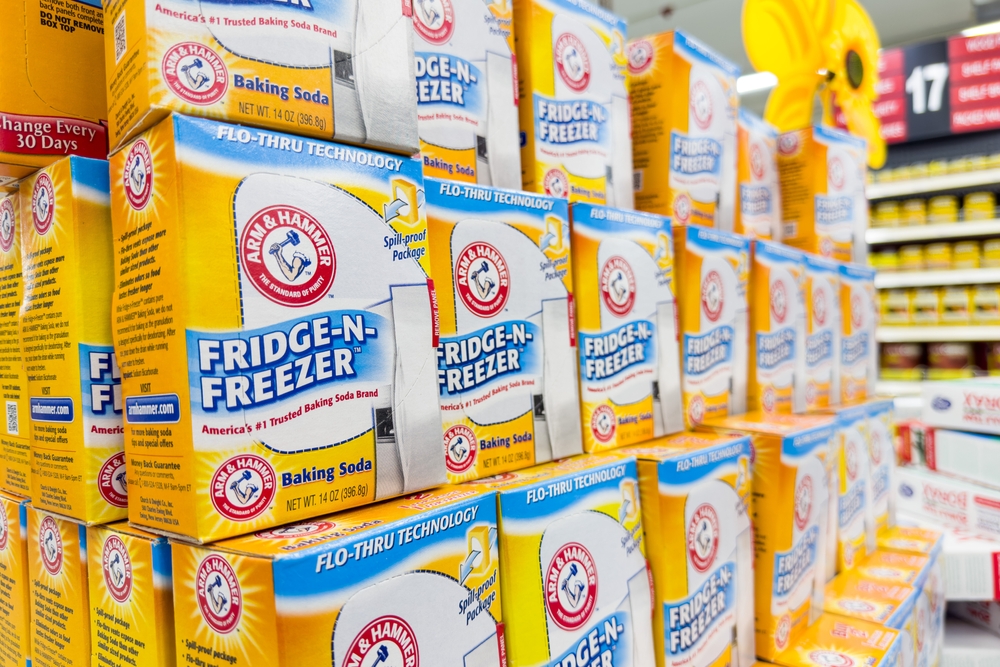
Baking Soda Fridge Freshener was a staple in 1950s kitchens, where you would mix baking soda with water to scrub shelves and walls. The Betty Crocker’s Picture Cook Book spelled it out clearly, noting that “baking soda is invaluable for cleaning and freshening the refrigerator.” That simple mixture cut through spills, absorbed lingering odors from leftovers, and avoided harsh chemical smells in a tight, enclosed space.
Using baking soda this way also reflected a broader ’50s mindset about thrift and safety. You could clean frequently without worrying about strong solvents near food, and a single box handled multiple jobs around the house. For modern cooks, the same hack still matters, especially if you want a low-cost, fragrance-free way to keep produce drawers and door shelves from smelling stale between deep cleans.
2) Aluminum Foil Oven Liner
Aluminum Foil Oven Liner became a go-to shortcut as aluminum foil spread into American kitchens in the 1950s. A 1955 Reynolds Wrap advertisement urged home bakers to “line your oven with Reynolds Wrap for spill-proof baking,” and many housewives followed that advice. By covering oven racks or the lower surface with foil, you could catch bubbling pie fillings or dripping casseroles before they baked into a hard crust.
For busy moms juggling multiple dishes, this meant less time scrubbing and more time at the table. It also helped protect older ovens that did not have modern nonstick interiors. Today, you might adapt the idea by lining only a lower tray or baking sheet instead of the entire oven, but the core ’50s insight remains the same, using a simple barrier to turn messy recipes into low-maintenance weeknight standards.
3) Jell-O Veggie Salad Molds
Jell-O Veggie Salad Molds captured the 1950s belief that convenience foods could still be “healthy” if you added the right ingredients. The 1952 Jell-O recipe booklet promoted combinations like “Lime Jell-O with carrots and celery makes a refreshing salad,” encouraging you to suspend vegetables, and sometimes meats, in colorful gelatin. These molded salads appeared at potlucks, Sunday dinners, and holiday buffets as a showy way to serve produce.
From a practical angle, these salads let you prepare side dishes hours ahead, then unmold them just before guests arrived. The gelatin held everything together, so leftovers sliced neatly for the next day’s lunch. While tastes have shifted, the underlying hack, using a stable base to package vegetables attractively and make them last longer, still influences how you might assemble layered salads or cold terrines for modern entertaining.
4) Water Bath Canning for Tomatoes
Water Bath Canning for Tomatoes was central to 1950s food security, letting you stock shelves with homegrown produce. The USDA’s 1950 bulletin instructed home preservers to process pints of tomatoes for 85 minutes in boiling water “to ensure safety,” a precise timing that many moms memorized. That long simmer in a water bath killed harmful microorganisms and helped jars seal tightly for storage through the winter.
Modern guides, including resources like canning for beginners from Victoria and the Retro Homemakers Club, still echo those mid-century principles, emphasizing careful processing and clear instructions. For you, the stakes are similar, safe preservation, less food waste, and a pantry that does not depend entirely on store shelves. Reviving this ’50s hack can also reconnect you with seasonal eating, since jars of tomatoes, jams, and pickles extend garden flavors far beyond harvest time.
5) Vinegar for Coffee Pot Descaling
Vinegar for Coffee Pot Descaling gave 1950s households a reliable way to keep percolators working smoothly. A 1954 Good Housekeeping article advised that “white vinegar removes mineral deposits from percolators, let it sit for 30 minutes.” By filling the pot with vinegar and allowing it to soak, you could dissolve scale that dulled flavor and slowed brewing, then rinse thoroughly before the next pot of coffee.
This hack mattered because hard water buildup could shorten the life of an appliance that many families used several times a day. Instead of replacing equipment, you extended its usefulness with a pantry staple. The same principle applies to today’s drip machines and kettles, where regular vinegar descaling protects heating elements, improves taste, and reduces the need for specialized cleaners that add cost and extra packaging.
6) Pinch Test for Pie Dough
Pinch Test for Pie Dough was the tactile quality check that guided countless 1950s bakers. The 1951 edition of Joy of Cooking explained that “a good pie crust dough forms a ball that holds together when pinched,” giving you a simple benchmark without scales or thermometers. If the dough crumbled, you added a touch more liquid; if it felt sticky, you worked in a bit more flour until it just held.
For home cooks, this test reduced the risk of tough, overworked crusts by focusing on feel instead of constant kneading. It also empowered younger bakers to learn by touch, passing skills from one generation to the next. Using the pinch test today can help you adapt recipes to different flours and humidity levels, keeping pies flaky and tender even when exact measurements or equipment vary.
7) Ice Cube Tray Stock Freezing
Ice Cube Tray Stock Freezing turned leftovers into building blocks for future meals. A 1956 Better Homes and Gardens tip recommended that you freeze broth in trays, then pop the cubes into bags for “convenient soup bases.” Instead of discarding pan drippings or extra stock, you portioned them into small, ready-to-use units that could enrich sauces, gravies, and stews.
The same logic appears in modern kitchen advice like the Easy weekend project that suggests you Mash avocado with lemon juice, Spoon it into ice cube trays, and freeze for later. Both approaches show how a simple tray can prevent waste and streamline weeknight cooking. For you, this ’50s hack means faster flavor, less spoilage, and a freezer stocked with customizable ingredients instead of forgotten containers.
8) Lemon Juice Fruit Preserver
Lemon Juice Fruit Preserver was a small trick with big visual impact in 1950s kitchens. A 1953 Sunset magazine hack advised you to “sprinkle lemon juice on fruit to keep it fresh and white,” especially on cut avocados or apples. The natural acidity slowed oxidation, so fruit platters, lunchbox slices, and salad toppings stayed appealing instead of turning brown before they were served.
For hosts and homemakers, this mattered at parties and family meals where presentation signaled care and competence. It also reduced waste, since slightly older fruit could be sliced ahead without looking tired. Using lemon juice the same way today helps you prep snacks in advance, pack better-looking lunches, and rely less on sugary syrups or commercial preservatives while still keeping produce bright and appetizing.

Leave a Reply