

If you grew up in the ’90s, your movie memories are basically a highlight reel of sleepovers, worn-out VHS tapes, and quoting lines in the school hallway. Certain films from that decade did more than entertain you, they shaped how you see holidays, friendship, fear, and even fashion. Here are eight iconic ’90s movies millennials will never forget, and why they still hit so hard today.
Home Alone
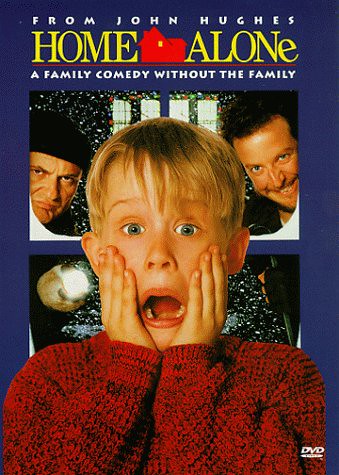
Home Alone is the ultimate millennial holiday comfort watch, the one you probably had on repeat every December. As a 1990 family comedy, it became an instant classic for its chaotic Christmas energy and the way Kevin McCallister turns his Chicago house into a booby-trapped fortress. Lists of the best 90s movies consistently point to its blend of slapstick and heart as defining family entertainment for the decade.
When bratty 8-year-old Kevin, played by Macaulay Culkin, is accidentally left behind while his family flies to Paris, you get a kid fantasy that still feels weirdly empowering. You watched him eat junk food, sled down the stairs, and outsmart burglars with paint cans and Micro Machines, and it made being home alone look thrilling instead of scary. For millennials, it set the template for holiday movies that balance big laughs with the reminder that being together actually matters.
The Lion King
The Lion King is the animated epic that probably wrecked you emotionally before you even hit middle school. Released in 1994, it follows Simba as he grapples with loss, guilt, and eventually leadership, which is why parents now see it as a perfect pick when choosing the best throwback 90s movies to share with their own children. The film’s mix of catchy songs and heavy themes lets you talk about grief and responsibility without it feeling like a lecture.
Watching it as a millennial kid, you probably memorized every word of “Hakuna Matata” long before you understood what it meant to “remember who you are.” Now, when you rewatch it with younger relatives, you see how the circle-of-life story quietly teaches resilience and empathy. Its staying power shows how ’90s animation did not just entertain you, it helped you process big feelings in a way that still resonates across generations.
Jurassic Park
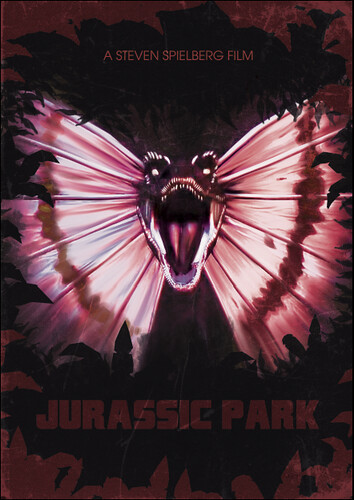
Jurassic Park is the blockbuster that made you believe dinosaurs could actually chase you through a theme park parking lot. The 1993 adventure from Steven Spielberg set new standards in visual effects, with lifelike T. rex and velociraptor encounters that lists of instant classics credit for revolutionizing what audiences expected from big-screen spectacle. For a lot of millennials, it was the first time CGI felt indistinguishable from reality.
Beyond the tech, the movie tapped into a specific ’90s mix of optimism and anxiety about science. You watched scientists and executives argue over whether they should bring back extinct creatures just because they could, and that debate still feels relevant in conversations about genetics and AI. The fact that you can still hear the rumble of that T. rex footstep in your head shows how deeply it imprinted on your sense of cinematic awe.
Pulp Fiction
Pulp Fiction is the movie that turned casual conversation into a stream of references, from Royale with Cheese to that twisting dance scene. Quentin Tarantino’s 1994 nonlinear crime saga became a millennial touchstone, and recent coverage of how Gen Z haven’t seen these iconic movies notes how often younger viewers miss its dialogue and style. For you, it probably marked the moment you realized movies could play with time and tone without losing their cool.
The film’s intersecting stories, pop-culture riffs, and sudden bursts of violence felt like nothing else in the mid-’90s. You might have first watched it on a scratched DVD in college, then spent hours debating the briefcase or ranking the characters. Its influence on everything from indie crime films to TV storytelling means that when Gen Z skips it, they are missing a key piece of the language millennials use to talk about “cool” cinema.
Scream
Scream is the horror movie that let you feel smart and terrified at the same time. Released in 1996, it revived the slasher genre by having its characters openly discuss horror rules while still getting hunted by Ghostface. Modern rundowns of the best horror movies highlight how its self-aware twists gave ’90s audiences a fresh way to be scared.
If you were a millennial teen, Scream probably hit right as you were renting stacks of scary movies on Friday nights. Hearing characters joke about what not to do in a horror film, then watching them break those rules anyway, made you feel like you were in on the joke without dulling the fear. It also cemented the idea that horror could be both meta and mainstream, shaping everything from later slashers to TV shows that wink at the audience.
The Sandlot
The Sandlot is the movie that captures what summer felt like before smartphones, when your biggest problem was losing a baseball over the fence. This 1993 kids’ film about a group of friends, a legendary dog, and endless warm evenings is often cited as one of the forgotten 90s movies that deserves another look. For millennials, it plays like a time capsule of suburban innocence and low-stakes adventure.
You did not need to be into sports to connect with it, because the real story is about being the awkward new kid and slowly finding your people. Lines like “You’re killing me, Smalls” slipped into everyday slang, and the film’s hazy, nostalgic look made even scraped knees feel epic. Rewatching it now, you see how it quietly celebrates community, showing kids solving problems together instead of relying on adults.
Matilda
Matilda is the whimsical rebellion fantasy that made every bookish kid feel secretly powerful. Based on Roald Dahl’s novel and released in 1996, it follows a gifted girl who discovers telekinesis and uses it to push back against neglectful parents and a tyrannical headmistress. Recent rundowns of 90s kids movies point out how strongly its message of empowerment still lands with millennials.
If you ever hid in the library or felt underestimated by adults, Matilda’s quiet confidence was a lifeline. Watching her move chalk, tip glasses, and outwit Miss Trunchbull turned everyday objects into tools of resistance. The movie also framed kindness and curiosity as real strengths, not weaknesses, which is why so many millennials now share it with their own kids as a reminder that being “too much” or “too smart” is actually something to celebrate.
Clueless
Clueless is the teen comedy that basically wrote the style guide for mid-’90s high school life. Alicia Silverstone’s turn as Cher Horowitz in 1995 captured Beverly Hills privilege, makeover culture, and hallway politics with a wink, and it regularly appears in lists of 90s instant classics for its sharp script and cultural impact. The plaid skirts, knee-high socks, and tiny backpacks became as iconic as any line of dialogue.
Beyond the fashion, the movie nailed how it felt to be a well-meaning but clueless teen trying to “do good” while still obsessing over popularity. Phrases like “As if!” and “Whatever” slipped into everyday speech, turning the film into a shared language for millennial friend groups. Watching it now, you can see how it satirized wealth and status while still letting Cher grow, which is why it remains a go-to reference point whenever you talk about ’90s youth culture.
More from Vinyl and Velvet:

Leave a Reply