

For many American families in the 1950s, luxury did not mean diamonds or yachts, it meant small comforts that made everyday life feel modern and hopeful. As postwar prosperity spread, you could see it in glowing screens, humming appliances, and shiny cars in new driveways. Each little upgrade turned the family home into a showcase of convenience, entertainment, and togetherness that defined the decade.
1) The Glow of the Family TV Set
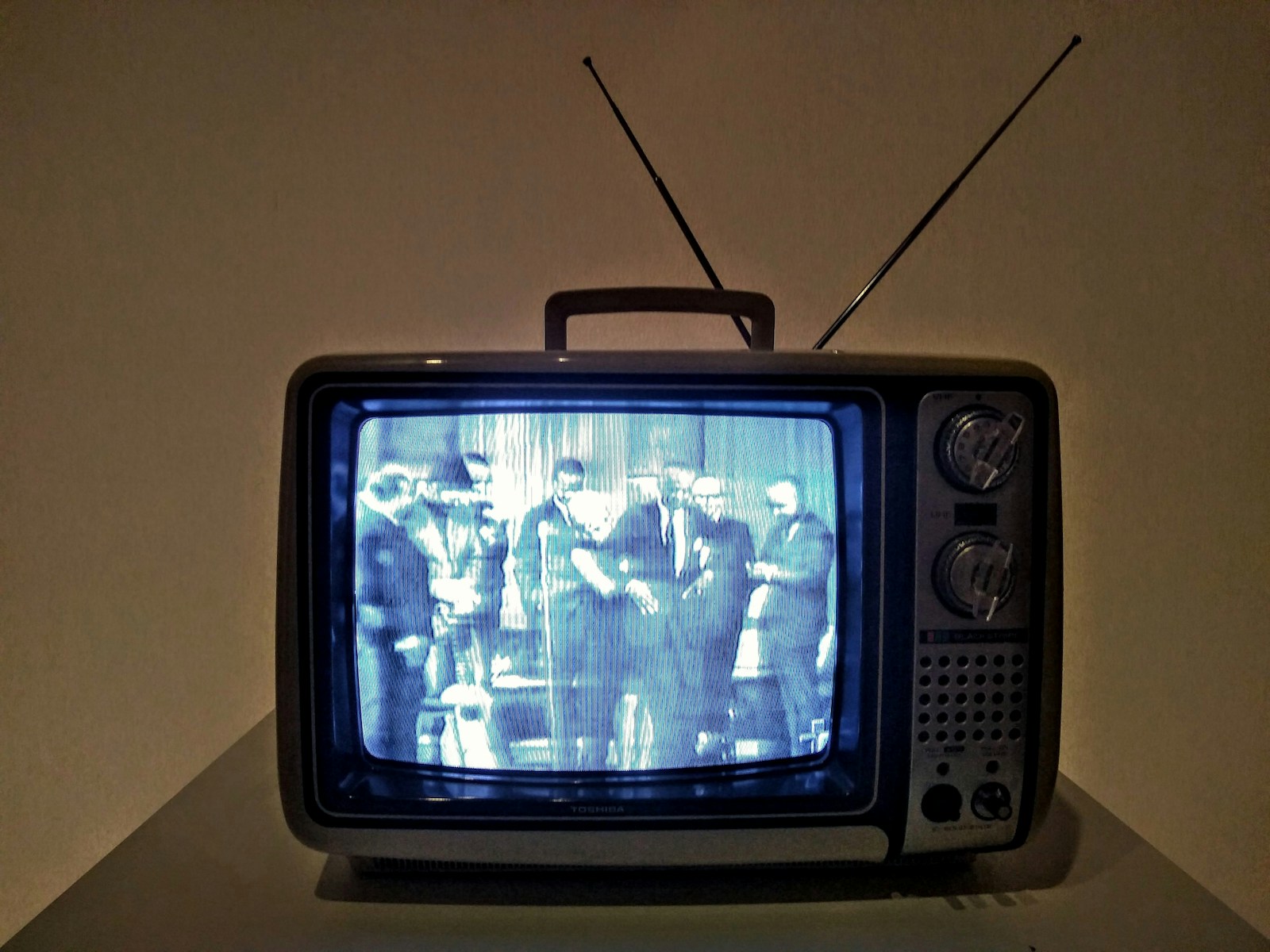
The glow of the family TV set was one of the most coveted luxuries of the 1950s. In 1950, only 9% of American households owned a television, but by 1959 that figure had surged to 85.9%, transforming living rooms into nightly gathering spots. Contemporary accounts note that by 1960 the number had climbed to 90 percent, underscoring how quickly TV shifted from novelty to necessity. Families rearranged furniture around the set, planned evenings around scheduled programs, and treated the purchase as a proud milestone.
This rapid adoption made television a cultural gatekeeper, shaping what you watched, talked about, and even bought. Advertisers targeted the family unit, selling everything from cereal to cars during prime-time shows. For parents, the TV felt like a window onto a wider world, bringing news, sports, and variety shows into suburban homes. For children, it offered cartoons and westerns that became shared playground lore. The set itself, often encased in polished wood, stood as a visible symbol of having “made it” into the modern age.
2) Hands-Free Laundry Days with Automatic Washers
Hands-free laundry days with automatic washers turned a grueling chore into a mark of comfort and status. Sales of automatic washing machines jumped from 500,000 units in 1945 to over 3 million by 1955, a surge that reflected how strongly families craved relief from scrub boards and wringer tubs. Owning one signaled that your household could afford both the appliance and the electricity to run it regularly. For many women, who were expected to manage spotless homes, the machine meant hours reclaimed from backbreaking work at the sink or in the yard.
This shift had broader social implications, subtly reshaping how you could spend time at home. With laundry cycles running on their own, mothers could supervise homework, volunteer at school, or even take part-time jobs without sacrificing clean clothes. Manufacturers leaned into this promise, advertising gleaming washers as tools that “freed housewives from manual labor.” In new suburban neighborhoods, the sound of a churning drum became part of the domestic soundtrack, a quiet signal that modern convenience had arrived in the basement.
3) Freezer-Full Feasts from the Fridge
Freezer-full feasts from the fridge represented another small luxury that felt revolutionary. Refrigerators with built-in freezers became prized purchases as frozen food sales grew 400% from 1940 to 1950, proving that families were eager to stockpile ready-to-cook meals. The ability to keep meat, vegetables, and desserts on ice for weeks changed how you shopped and planned dinners. Instead of daily trips to the butcher or grocer, a single weekend outing could fill the freezer and simplify the rest of the week.
The arrival of Swanson TV dinners in 1954 pushed this convenience even further, letting you slide a complete meal from box to oven with minimal effort, a shift documented in analyses of the Swanson TV dinners boom. Families could now eat in front of the television, pairing two modern luxuries at once. While critics worried about processed foods, many parents embraced the trade-off between time and tradition. The freezer compartment, once a novelty, became a quiet workhorse that supported busier schedules and more spontaneous entertaining.
4) Road-Ready Family Cars for Weekend Escapes
Road-ready family cars turned driveways into launchpads for weekend escapes. By 1955, 74% of households owned at least one vehicle, a dramatic rise that put mobility within reach of the typical suburban family. Sedans like the Chevrolet Bel Air or Ford Fairlane were not just transportation, they were rolling proof of prosperity. With a car in the garage, you could pile in the kids for Sunday drives, visit relatives in nearby towns, or explore new shopping centers sprouting along highways.
This surge in ownership also fueled new leisure habits, from cruising to diners to lining up at drive-in movies. The car became a private family space, where you sang along to the radio, shared milkshakes, and watched double features under the stars. For teenagers, it symbolized independence, while for parents it offered control over where and when the family traveled. In an era of expanding suburbs, the automobile stitched together home, work, and play, making everyday outings feel like small adventures.
5) Jiggly Delights of Canned Kitchen Magic
Jiggly delights of canned kitchen magic brought color and novelty to midcentury tables. Canned and convenience foods, especially Jell-O salads, became everyday treats that felt both playful and modern. By 1957, Jell-O consumption reached 1.5 billion packages sold annually, a staggering figure that showed how deeply it had entered family routines. You could suspend fruit, marshmallows, or even shredded carrots in shimmering molds, turning a simple dessert into a centerpiece that children begged to poke and wobble.
These products fit perfectly into the rhythm of a convenience-focused kitchen. Powdered mixes, canned pineapple, and instant puddings allowed you to assemble elaborate-looking dishes with minimal effort, freeing time for other tasks or leisure. Advertisements framed these creations as proof of a clever, caring homemaker who embraced innovation. At potlucks and church suppers, brightly colored salads and molded desserts signaled that your household kept up with trends, turning pantry staples into small luxuries that brightened otherwise ordinary meals.
6) Effortless Cleaning with the Electric Hoover
Effortless cleaning with the electric Hoover made spotless carpets feel like a reachable luxury. Electric vacuum cleaners such as the Hoover Model 50 gained popularity rapidly, with more than 5 million units sold between 1950 and 1959. For families moving into wall-to-wall carpeted suburban homes, a sturdy vacuum was almost as essential as a stove. Instead of beating rugs outdoors, you could glide a machine across the floor and watch crumbs, pet hair, and dust vanish in minutes.
The Hoover Model 50 in particular became a recognizable presence, often stored proudly in hall closets rather than hidden away. Its whirring motor and distinctive design signaled that your home embraced up-to-date technology. Cleaner floors also supported the ideal of the immaculate 1950s household, where guests might drop by unannounced and children played on the carpet. By shrinking the time and effort required to maintain that standard, the vacuum turned cleanliness itself into a more attainable, everyday indulgence.
7) Portable Tunes from Transistor Radios
Portable tunes from transistor radios filled 1950s life with a constant soundtrack. By 1955, radio set ownership in the United States reached 96% of households, meaning nearly every home had at least one receiver humming with music, news, and drama. The real shift came when smaller sets appeared, letting you carry sound from kitchen to backyard. In Japan, The TR 55 marked a milestone as an early transistor model, showing how compact design could still deliver clear reception.
As the decade progressed, portable devices multiplied, and companies highlighted how you could listen anywhere. Analyses of Sony Early Transistor Radios describe how Sony used the new technology to shrink radios enough to fit in a coat pocket, a leap that made music feel personal rather than purely communal. For teenagers, this meant rock ’n’ roll could travel to schoolyards and hangouts. For parents, bedside and kitchen sets offered companionship during chores. The ability to tune in on the go turned sound itself into a modest but cherished luxury.
8) Highway Adventures on Interstate Getaways
Highway adventures on Interstate getaways turned modest budgets into memorable vacations. With the Interstate Highway System’s expansion starting in 1956, smoother, faster routes stitched together cities and scenic regions. By 1959, 50 million Americans traveled by car for leisure, a figure that shows how quickly families embraced the open road. Motels, roadside diners, and souvenir stands sprang up along new exits, offering affordable stops that fit into a middle-class wallet.
For you as a 1950s traveler, this meant that a station wagon, a packed cooler, and a paper map could unlock beaches, national parks, and cross-country visits to relatives. Analyses of the Interstate Highway System’s 1956 expansion highlight how these roads reshaped tourism, shifting it from luxury rail trips to flexible, family-centered journeys. Children counted license plates, parents watched the odometer, and each new state line felt like a small triumph. The journey itself became the luxury, turning miles of fresh pavement into shared memories.

Leave a Reply