

The classic 1950s living room was more than a place to sit, it was a carefully arranged stage for family life, television nights, and drop‑in guests. When you recreate that space today, you are chasing a specific mix of comfort, polish, and routine that defined midcentury domestic life. These eight items capture the look and the daily habits that kept a 1950s living room ready for company at a moment’s notice.
1) Picture-Tube Television Console
The picture-tube television console quickly became the visual anchor of a 1950s living room, turning the room toward a glowing screen instead of a fireplace. You would likely see a bulky wood cabinet, often with sliding doors, that hid the TV when it was not in use so the room still felt formal. Families arranged armchairs and sofas in a tight semicircle around this console, signaling that nightly viewing was a shared ritual, not a background distraction.
Because the television was such a focal point, you were expected to keep the screen and cabinet spotless, much like the way modern households are urged to tackle key surfaces as part of their daily routines. Guides to professional cleaning habits emphasize starting with the most visible areas, and in the 1950s that meant dusting the TV, polishing the cabinet, and straightening rabbit-ear antennas. The stakes were social as much as practical, a smudged screen or cluttered console could make the entire room feel neglected when neighbors dropped by.
2) Low-Slung Midcentury Sofa
The low-slung midcentury sofa, often upholstered in textured wool or vinyl, gave the 1950s living room its streamlined silhouette. You would notice clean lines, tapered wooden legs, and a back that sat lower than earlier overstuffed couches, which made the room feel wider and more open. These sofas were usually long enough to seat a crowd for television specials or card games, reflecting how much entertaining happened at home rather than in public venues.
Because the sofa dominated the seating plan, its condition shaped how guests judged the rest of the space. Cushions were routinely fluffed, throws folded, and ashtrays cleared so the main seating never looked sloppy. That attention to the largest piece of furniture parallels modern advice to prioritize high-impact zones, since a tidy sofa instantly signals that you keep the entire living room under control. For families, a durable, well-kept couch also meant children could sprawl with comic books without parents worrying about constant replacement.
3) Polished Coffee Table
The polished coffee table sat at the center of the 1950s living room, bridging the gap between sofa and chairs while providing a stage for magazines, coasters, and decorative bowls. You would often see rectangular wood tables with glossy finishes or kidney-shaped designs in blond maple, all low enough that everyone could reach snacks or set down highball glasses. This table turned the seating cluster into a conversation pit, encouraging guests to lean in and share the same surface.
Because it was so central, the coffee table demanded daily attention, fingerprints, water rings, and scattered newspapers could ruin the room’s otherwise orderly look. Homeowners wiped it down frequently, stacked magazines neatly, and limited clutter to a few curated objects. That discipline foreshadowed modern cleaning strategies that focus on keeping key horizontal surfaces clear so the entire room feels calmer. For you, a well-maintained coffee table still signals hospitality, inviting visitors to relax without worrying about where to put their drink.
4) Matching End Tables and Lamps
Matching end tables and lamps flanked the main sofa in many 1950s living rooms, creating a sense of symmetry that felt both modern and formal. You would typically see compact wooden tables topped with ceramic or metal lamps, each crowned by a drum or cone-shaped shade. This pairing framed the seating area, balanced the visual weight of the television console, and ensured that every seat had a place to rest a book or teacup.
Good lighting also shaped how the room functioned after dark, when families gathered for television, sewing, or homework. By keeping lamps dusted and bulbs working, you maintained a space that felt inviting rather than gloomy. The matching sets reinforced the idea that a living room should look “finished,” not improvised, which still influences how you might shop for coordinated side tables and lighting today. For guests, those twin pools of light made the room feel intentionally arranged, not just thrown together around a screen.
5) Wall-Mounted Family Portraits
Wall-mounted family portraits were a defining feature of the 1950s living room, turning the space into a gallery of milestones and formal studio sittings. You would often see black-and-white or hand-tinted photographs in matching frames, arranged in tidy grids above the sofa or along a prominent wall. These images broadcast family stability and pride, signaling that the household valued tradition and togetherness.
Because portraits were so prominent, dusting frames and straightening their alignment became part of regular upkeep. A crooked or smudged frame could distract from the carefully composed scene and suggest that other parts of the home were equally overlooked. For you, recreating this look means treating wall art as more than decoration, it becomes a narrative about who lives in the space. The stakes are emotional as well as aesthetic, guests read those portraits as clues to your history and priorities.
6) Console Radio or Record Player
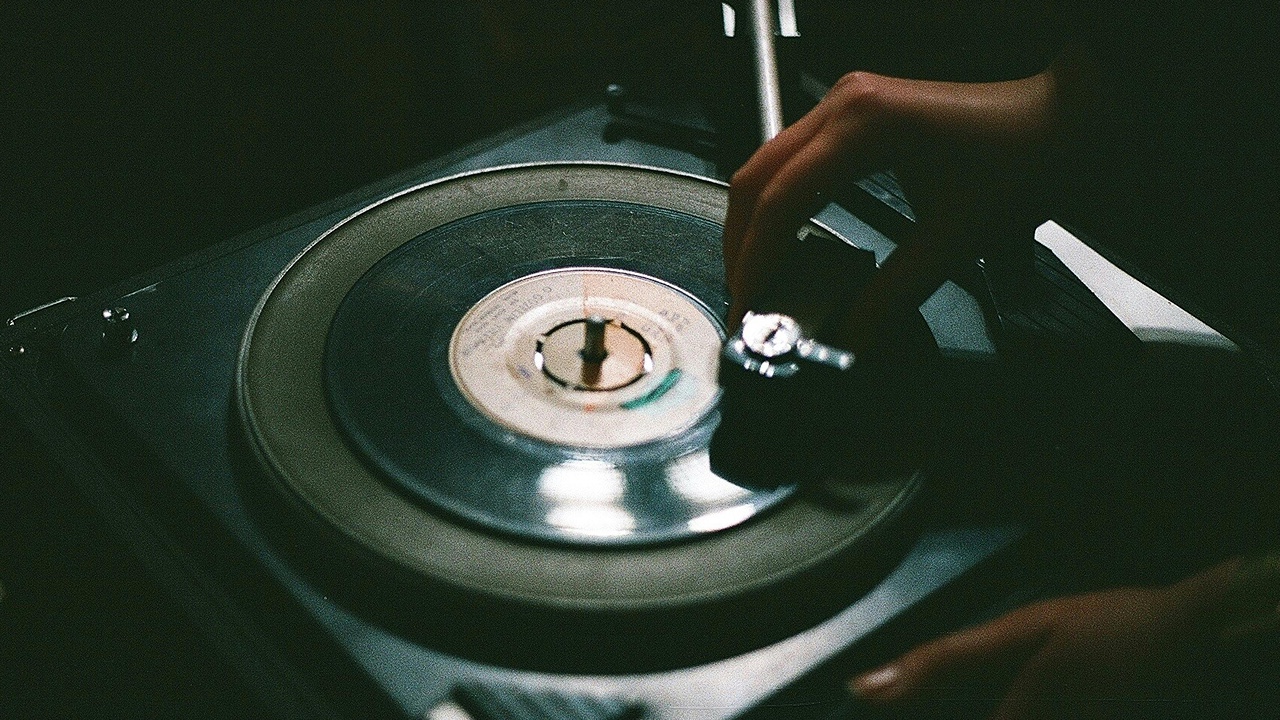
The console radio or record player often shared space with the television or occupied its own cabinet, giving the 1950s living room a dedicated hub for music and news. You would find wood-clad units with front-facing fabric grilles, flip-up lids, and neatly stored vinyl records or radio dials. Before television programming filled every evening, families gathered around these consoles to listen to big band records, radio dramas, and presidential addresses.
Maintaining this equipment required more than dusting, records had to be sleeved properly, needles replaced, and controls kept clean so sound quality stayed crisp. That care reflected how central audio entertainment was to daily life, much like how you might now guard your streaming devices or speakers. For hosts, a working record player also meant they could set the mood instantly when guests arrived, turning the living room into a casual dance floor or quiet background for conversation.
7) Decorative Ashtrays and Smoking Stand
Decorative ashtrays and a dedicated smoking stand were nearly unavoidable in a 1950s living room, reflecting how common indoor smoking was at the time. You would see glass, ceramic, or metal ashtrays placed on coffee tables and end tables, often coordinated with the room’s color scheme. A taller smoking stand might sit near an armchair, combining an ashtray with a small shelf for matches and cigarette boxes.
Because smoke and ash could quickly make a room feel stale, diligent homeowners emptied ashtrays, wiped surfaces, and aired out the space regularly. That routine parallels modern efforts to control odors and visible clutter so living areas stay welcoming. For you, including vintage ashtrays today is more about capturing the period look than encouraging the habit, they serve as conversation pieces that hint at how social norms have shifted. The presence or absence of these items now signals your stance on health and hospitality.
8) Wall Clock or Starburst Timepiece
The wall clock, often in a dramatic starburst design, gave the 1950s living room a functional focal point that doubled as sculpture. You would notice metal rays or wooden spokes radiating from a central clock face, usually hung above the sofa or near the entry so everyone could see the time at a glance. This piece reflected the era’s fascination with atomic-age motifs and space-inspired shapes, bringing a futuristic edge to an otherwise traditional room.
Keeping the clock accurate and visible mattered because daily schedules revolved around fixed broadcast times, dinner hours, and school routines. A stopped or crooked clock suggested disorganization, while a well-placed, ticking timepiece reinforced the sense that the household ran smoothly. For you, adding a starburst or other midcentury clock does more than fill wall space, it anchors the room visually and reminds guests that this is a lived-in, carefully timed environment, not just a static showroom.

Leave a Reply