

You grew up where patience mattered: slow connections, physical media, and rituals that ate time and attention. This article walks you through eight everyday hassles Gen X lived with—small annoyances that shaped schedules, social plans, and how you managed information back then versus now.
You’ll see how those inconveniences affected daily life and why they mostly don’t exist anymore, so you can appreciate how different basic tasks feel today.
Expect quick, nostalgic reminders that spark recognition rather than long histories. Each item will show the practical friction of the past—how simple things like making a mixtape, calling from the street, or waiting on film altered your routines and patience.
Dial-up internet and waiting forever to connect
You remember the dial-up screech and praying the call wouldn’t drop.
You had to share the phone line, so someone else picking up could boot you offline mid-chat.
Connections took minutes and speeds felt agonizingly slow by today’s standards.
Still, it taught patience — and how to schedule downloads for the middle of the night.
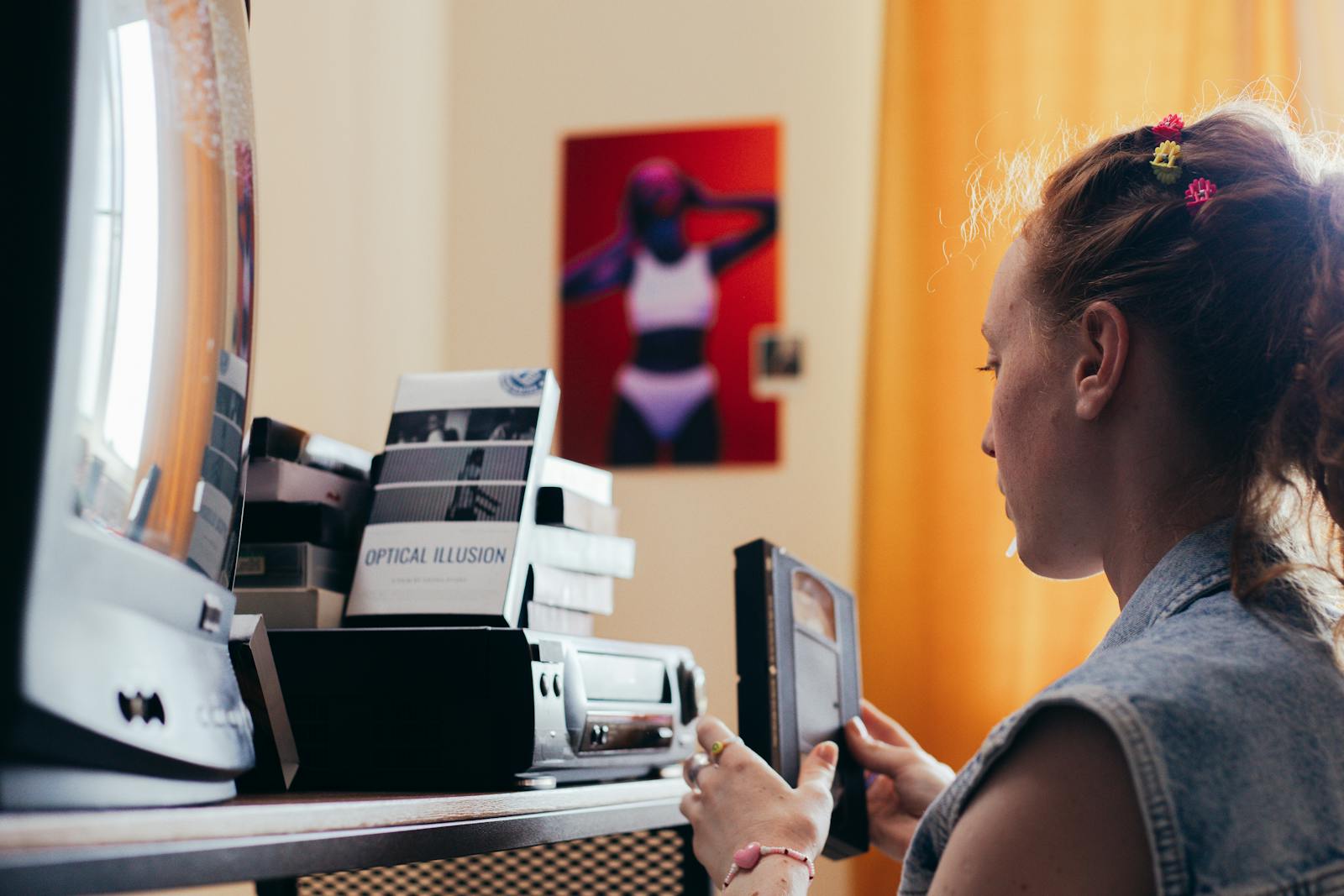
Rewinding VHS tapes before returning them
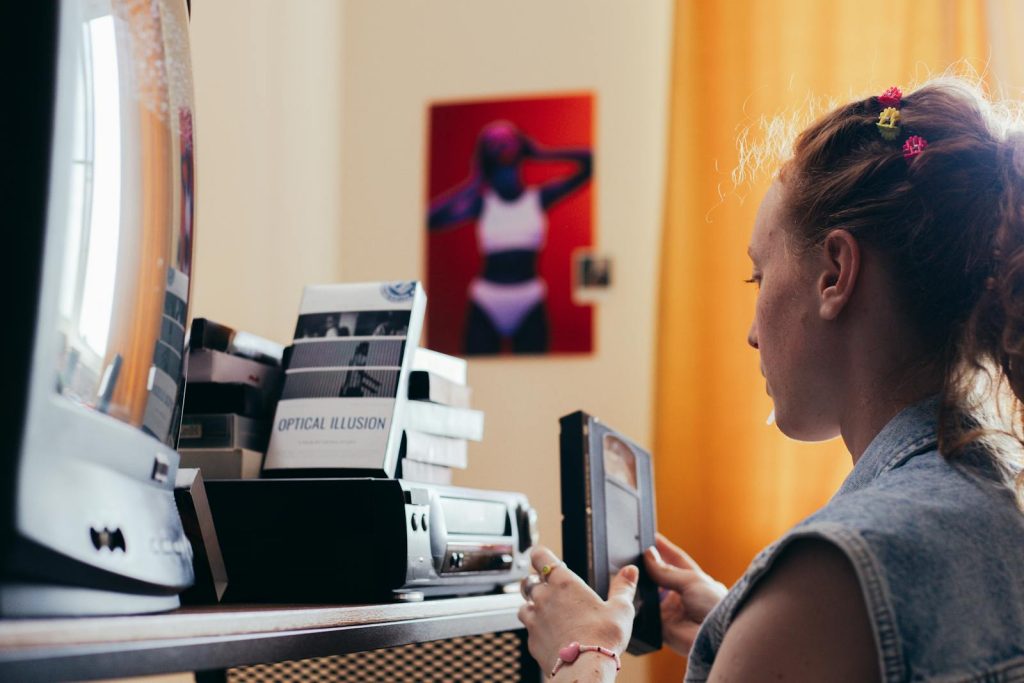
You had to rewind tapes before heading back to the video store, or risk a glare from the clerk — and sometimes a late fee.
It felt like a small courtesy ritual: pop the cassette into the rewinder or your VCR and wait while it dutifully spun.
Using a dedicated rewinder saved wear on your VCR and sped things up if you rented a lot.
Nowadays streaming removes that chore entirely, along with the awkward “Did you rewind this?” conversation.
Using payphones when out and about
You carried coins or a phone card and scanned the street for a booth when you needed to call.
You cued up numbers, listened for the dial tone, and hoped the line wasn’t busy.
You balanced privacy against noise and weather, shouting into a tiny square of glass.
Sometimes you hunted for the nearest working payphone or borrowed a quarter from a stranger.
Having to actually memorize phone numbers
You used to carry a mental Rolodex and recite numbers from memory when your phone rang.
Now your contacts live in your device, so you tap a name instead of remembering sequences.
Sometimes you still jot down an emergency contact, but long strings of digits no longer clog your brain.
That change saves time and reduces stress when you need a number fast.
Mixtapes made with cassette players
You spent evenings waiting by the radio, finger on the record button, trying not to miss the chorus.
Making a mixtape meant timing, rewinding, and labeling the cassette with shaky handwriting.
You gave mixtapes as gifts and sent them in the mail, hoping the receiver liked the order you picked.
They were personal playlists you physically crafted — slow, imperfect, and oddly intimate.
Waiting days for photos to be developed from film cameras
You had to drop your film at a shop and wait—sometimes a few days, sometimes a week—to see the pictures.
That delay made photos feel more deliberate; you couldn’t delete, edit, or instantly share a shot.
Labs varied in turnaround: basic prints and scans often took about a week, while special processing could add days.
You learned to be patient and to value the surprises when negatives finally came back.
Tracking down floppy disks for computer files
You dug through closets, shoeboxes, and old filing cabinets to find a single 3.5″ disk with a report or photo you needed.
When you did locate a disk, you still had to find a working drive or a service that could read damaged media.
You often discovered mislabeled or corrupted disks, so recovery tools or professional help became necessary.
Now you can access old files with USB adapters, image mounts, or cloud backups instead of that scavenger hunt.
Manually programming TV schedules with a VCR
You had to set start and stop times, pick the channel, and double-check AM/PM — all with a tiny on-device display.
Buttons, confusing menus, and G-Code listings in TV guides made scheduling feel like a mini project.
If daylight saving or a power outage hit, your recordings could fail unless you reset the clock.
Today you tap an app and it records in the cloud; back then you lived or died by the tape.
More from Vinyl and Velvet:

Leave a Reply