

Some home trends from the 1970s were so specific that you almost have to have lived through them to believe they were real. If you grew up in that decade, you probably remember a house packed with bold colors, synthetic textures, and quirky gadgets that felt futuristic at the time. These eight home decor items capture that very specific ’70s family vibe you still recognize instantly, even if you would not necessarily bring all of them back today.
1) Avocado green kitchen appliances
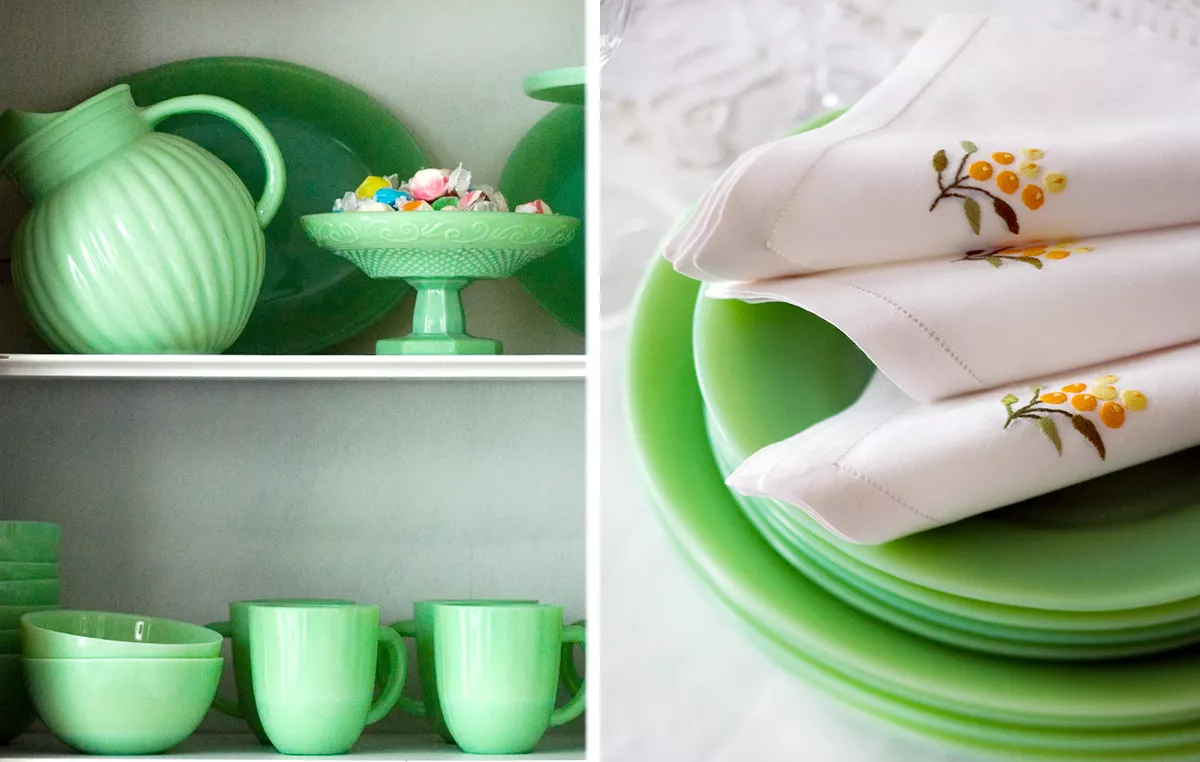
Avocado green kitchen appliances defined the 1970s family home, turning refrigerators, stoves, and even dishwashers into statement pieces. You saw this saturated green paired with dark wood cabinets and patterned vinyl flooring, creating a color story that felt modern then but nostalgic now. Appliance makers leaned into the trend with full product lines in avocado, harvest gold, and coppertone, so entire kitchens matched from the range hood to the countertop canisters.
For families, those green appliances signaled that the kitchen was the center of daily life, where you grabbed a glass bottle of soda, reheated leftovers, or waited for a casserole to finish baking. Today, you mostly encounter avocado green in retro remodels or reproduction ranges, but the shade still carries emotional weight. It instantly evokes memories of weeknight dinners, recipe cards, and the first time you saw a built-in electric oven that felt like something out of science fiction.
2) Shag carpeting in bold colors
Shag carpeting in bold colors turned living rooms and bedrooms into plush, high-pile landscapes that kids and pets practically disappeared into. The long fibers, often made from synthetic materials, came in oranges, browns, lime greens, and even deep purples that matched the decade’s love of saturated tones. Wall-to-wall shag was common, but you also saw huge area rugs that sat under low-slung sofas and glass-topped coffee tables.
For ’70s families, shag carpet was more than a floor covering, it was a play surface, a TV-watching zone, and sometimes an impromptu nap spot. The texture softened the look of heavy wood furniture and made split-level homes feel cozy. It also came with practical headaches, from vacuum cleaners struggling with the pile to the way crumbs and toys vanished into the fibers. When you see a photo of a living room with orange shag today, you can almost hear the click of the channel knob on the console television nearby.
3) Wood‑paneled rec rooms
Wood‑paneled rec rooms were the unofficial headquarters of 1970s family life, especially in finished basements and dens. Thin sheets of faux or real wood paneling, often in dark walnut or pecan tones, covered entire walls from floor to ceiling. The panels usually had visible vertical grooves, giving the room a cabin-like feel even in suburban split-level houses.
These spaces typically housed the big television, a stereo system, and maybe a bar cart or built-in wet bar, so they became the backdrop for everything from Saturday morning cartoons to late-night variety shows. The paneling made rooms feel enclosed and intimate, which suited the era’s fondness for low lighting and heavy drapes. When you remember a ’70s rec room, you probably picture that wood grain behind family portraits, school photos, and holiday gatherings, a visual shorthand for the decade’s cozy, slightly dim aesthetic.
4) Macramé plant hangers and wall art
Macramé plant hangers and wall art brought a handcrafted, bohemian touch into otherwise mass-produced ’70s interiors. Using knotted cotton cord, home crafters and hobbyists created intricate hangers that cradled spider plants, philodendrons, and ferns in ceramic or plastic pots. These hangers often cascaded from ceiling hooks in front of sliding glass doors or picture windows, turning houseplants into vertical decor.
Beyond plant hangers, macramé appeared as wall hangings, room dividers, and even lampshades, adding texture to flat wood paneling and painted walls. For families, these pieces reflected a growing interest in DIY projects and natural materials, even as the rest of the home leaned heavily on synthetics. If you remember your parent or a neighbor proudly pointing out a new macramé piece, you also recall how it signaled creativity and a desire to soften the sharp lines of contemporary furniture with something handmade and tactile.
5) Sunburst clocks and starburst mirrors
Sunburst clocks and starburst mirrors carried mid‑century modern style straight into 1970s family homes, where they often hung above sofas or fireplaces. These pieces featured a central clock face or mirror surrounded by radiating metal or wood rays, sometimes tipped with small spheres or geometric shapes. Gold, brass, and bronze finishes were common, catching the light from table lamps and picture windows.
For many households, a sunburst clock was the most “design-forward” object on the wall, a touch of glamour in rooms otherwise filled with practical furniture and kids’ school photos. The graphic shape made it easy to spot in old family snapshots, instantly dating the room to that era. Even if you did not know the term “starburst” at the time, you remember glancing at those pointed rays whenever you checked whether it was almost time for dinner, bedtime, or your favorite show.
6) Conversation pits and sunken living rooms
Conversation pits and sunken living rooms turned seating into architecture, creating dramatic drops from the main floor level into cushioned lounge areas. Some homes had fully recessed pits lined with built-in benches and throw pillows, while others featured a single step down into a carpeted living space. These designs often appeared in open-plan houses, where the change in floor height subtly separated the TV area from the dining or kitchen zones.
For ’70s families, a sunken living room felt sophisticated and a little bit glamorous, the kind of feature you might have seen in a movie or on a TV show. It encouraged people to gather in a circle, facing each other instead of a wall, which suited the decade’s emphasis on casual entertaining. If you grew up with one, you probably remember the rules about not running near the edge, the way toys rolled into the lower level, and how that single step became a stage for kids’ performances.
7) Beaded curtains and room dividers
Beaded curtains and room dividers offered a playful alternative to solid doors, especially in kids’ rooms, hallways, and between kitchens and family rooms. Strands of plastic, wooden, or acrylic beads hung from a rod, creating a shimmering barrier you could walk through while still seeing and hearing what was on the other side. Patterns ranged from simple clear beads to bright colors and even novelty shapes.
Families used these curtains to carve out a sense of privacy without fully closing off spaces, which fit the era’s preference for open, flexible layouts. The soft clatter of beads brushing together became part of the soundscape of the home, announcing when someone entered or left a room. If you remember pushing your hands through those strands, you also recall how they made even an ordinary doorway feel a little bit theatrical, like stepping onto a stage every time you passed through.
8) Lava lamps and fiber‑optic lights
Lava lamps and fiber‑optic lights brought psychedelic color and motion into 1970s bedrooms and rec rooms, especially for kids and teenagers. Lava lamps used heated wax blobs drifting through tinted liquid inside a glass cylinder, casting slow-moving shapes across nearby walls. Fiber‑optic lamps featured bundles of thin plastic strands that glowed at the tips, often cycling through different colors in a darkened room.
These lights were less about illumination and more about atmosphere, turning a corner table or nightstand into a mini light show. For families, they represented the decade’s fascination with space-age technology and visual effects, echoing what you saw in science fiction movies and music performances. If you ever stared at a lava lamp before bed, you remember how its gentle motion made your room feel like a private universe, a small but unforgettable piece of ’70s home decor that still feels magical in memory.
More from Vinyl and Velvet:

Leave a Reply