


Holiday traditions in ’80s homes blended cozy analog rituals with the pop culture and policy debates shaping family life. You remember the glow of tube TVs, the rustle of wrapping paper, and the sense that every celebration was both personal and plugged into bigger national conversations. These eight traditions capture how you marked the season in that decade, from spooky October nights to winter breaks shaped by how schools and communities were organized.
1) Carving Pumpkins For Front-Window Display
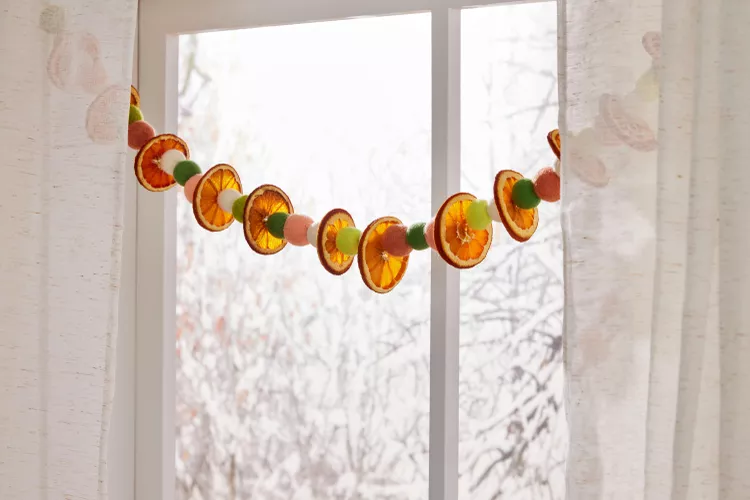
Carving pumpkins for a front-window display was a defining holiday ritual in ’80s homes, especially as Halloween gained fresh cultural visibility. You scooped seeds at the kitchen table, traced triangle eyes, and watched adults handle the knife work before the jack-o’-lantern took its place in the window. That glowing face signaled to neighbors that your household was ready for trick-or-treaters and that the season had officially started, long before inflatable yard decorations became common.
This tradition drew on older customs that linked carved gourds and candlelight to warding off spirits, a connection you can still see in modern explanations of Halloween origins. In the ’80s, those roots filtered into family life through school worksheets, TV specials, and library books that framed pumpkin carving as both craft project and folklore. For kids, the stakes were simple, you learned basic knife safety and creative expression, while parents used the ritual to anchor community rhythms and teach respect for shared neighborhood spaces.
2) DIY Costume Nights Around The Kitchen Table
DIY costume nights around the kitchen table turned late October into a hands-on design studio in many ’80s homes. Instead of ordering pre-made outfits online, you raided closets, cut up old sheets, and used safety pins, cardboard, and face paint to build a character from scratch. Parents often joined in, sketching ideas on notebook paper and helping you test whether you could actually walk, climb porch steps, and see through that improvised mask.
These evenings mattered because they taught you to treat holidays as creative projects rather than just shopping events. The same cultural forces that kept Halloween rooted in older seasonal rituals also encouraged families to personalize how they celebrated, blending store-bought pieces with homemade touches. For kids, the payoff was pride and problem-solving, you learned that a clever idea could beat an expensive costume, and that collaboration with siblings or friends could turn a simple cape or cardboard shield into a shared story you still remember.
3) Neighborhood Trick-Or-Treat Routes Planned In Advance
Neighborhood trick-or-treat routes planned in advance became a quiet but important tradition in ’80s households. Parents spread out paper maps or mentally traced the blocks, deciding which streets felt safest, which houses kept their porch lights on, and how far younger kids could realistically walk before the candy bucket felt too heavy. You learned the route rules at the dinner table, from staying with your group to skipping darkened doorways.
This planning reflected broader concerns about child safety that shaped how communities handled public celebrations. As Halloween’s historical ties to roaming from house to house were reinterpreted for modern suburbs, families used route planning to balance freedom and caution. The stakes were clear, you got the thrill of independence within a defined boundary, while adults used the ritual to reinforce trust in neighbors, expectations for behavior, and the idea that shared streets required shared responsibility on busy holiday nights.
4) School Holiday Parties Shaped By Local Councils
School holiday parties shaped by local councils were another hallmark of ’80s traditions, especially as education governance debates influenced what happened in classrooms. Decisions about whether your class held a Halloween parade, a winter concert, or a neutral “fall festival” often flowed from local bodies that resembled the later structures described when, beginning with the first LSC election after December 3, 2021, a board was directed to appoint members to each LSC in a system involving 105 local councils. In the ’80s, similar committees and boards weighed how inclusive or religiously neutral school events should be.
For you as a student, the outcome showed up as cupcakes in homeroom, themed bulletin boards, or rules about which costumes were allowed. These choices signaled how adults balanced cultural expression with concerns about equity and community standards. The stakes extended beyond one party, they shaped whether you felt your family’s traditions were welcomed or sidelined, and they previewed the larger role that governance structures would continue to play in defining what “holiday season” meant inside public institutions.
5) VHS Holiday Specials As Family Appointment Viewing
VHS holiday specials as family appointment viewing turned living rooms into mini theaters throughout the ’80s. You or a relative recorded seasonal cartoons and movies off broadcast TV, commercials and all, then replayed the same tape every year. Rewinding with a chunky remote, adjusting the tracking, and quoting favorite lines became part of the ritual, especially when relatives visited and everyone squeezed onto the couch.
This habit reflected how home video technology reshaped traditions without replacing them. Instead of waiting for a network to schedule a special, your family curated its own lineup, often pairing Halloween episodes with winter classics on the same cassette. The stakes were cultural memory and control, you learned that media could be saved, replayed, and woven into family lore, and that shared viewing time could anchor cousins, grandparents, and siblings in a common seasonal soundtrack that still echoes when you hear those theme songs today.
6) Handwritten Holiday Cards And School List Exchanges
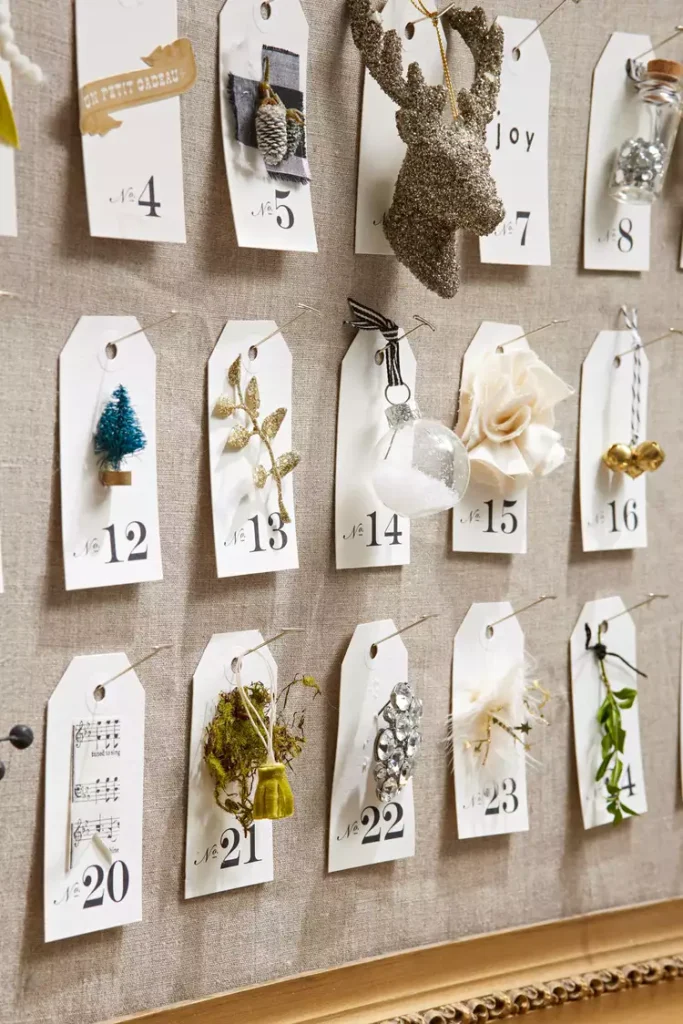
Handwritten holiday cards and school list exchanges kept mailboxes busy in ’80s homes. Parents often received class rosters so you could send cards to every classmate, carefully copying names and sometimes adding stickers or short notes. At home, kitchen tables filled with card boxes, address books, and rolls of stamps as adults wrote to relatives, coworkers, and neighbors, updating them on family milestones alongside seasonal greetings.
This analog ritual reinforced both penmanship and patience, you had to write legibly, double-check spellings, and wait days for a response. It also highlighted how social networks functioned before email and messaging apps, with physical cards serving as proof that relationships still mattered across distance. The stakes were emotional continuity and inclusion, a missing card could feel like a slight, while a surprise envelope from a faraway cousin or former neighbor reminded you that your family story stretched beyond your own living room.
7) Elaborate Table Settings For Holiday Dinners
Elaborate table settings for holiday dinners turned dining rooms into stage sets in many ’80s households. You watched adults iron tablecloths, polish inherited flatware, and arrange centerpieces that might include candles, pinecones, or seasonal flowers. Kids were often assigned to fold napkins, place name cards, or count chairs, learning the choreography of hosting long before they understood the recipes being cooked in the kitchen.
This focus on presentation reflected a belief that holidays deserved a visible upgrade from everyday life, even in modest homes. The table became a symbol of effort and respect for guests, whether they were grandparents driving in from another town or neighbors invited after a community event. The stakes were social as much as aesthetic, you absorbed lessons about hospitality, hierarchy, and gratitude, and you saw how a carefully set table could make everyone, including children, feel that the gathering was special and worth remembering.
8) Year-End Reflection Nights With Photo Albums
Year-end reflection nights with photo albums offered a quieter but powerful ’80s tradition. Families pulled out bulky albums or slide carousels, revisiting snapshots from Halloween costumes, school parties, and big holiday dinners. You pointed out outdated haircuts, remembered which toy you had begged for, and listened as adults filled in stories behind the images, from travel mishaps to community events that shaped the year.
This ritual mattered because it turned scattered moments into a coherent narrative, teaching you that holidays were milestones in a longer arc rather than isolated bursts of excitement. In an era before digital timelines, albums served as curated archives that adults controlled and kids gradually learned to interpret. The stakes were identity and continuity, you saw how your family changed over time, how traditions evolved or stayed firm, and how each holiday season, including those in the ’80s, fit into a story you still carry forward today.
More from Vinyl and Velvet:

Leave a Reply