

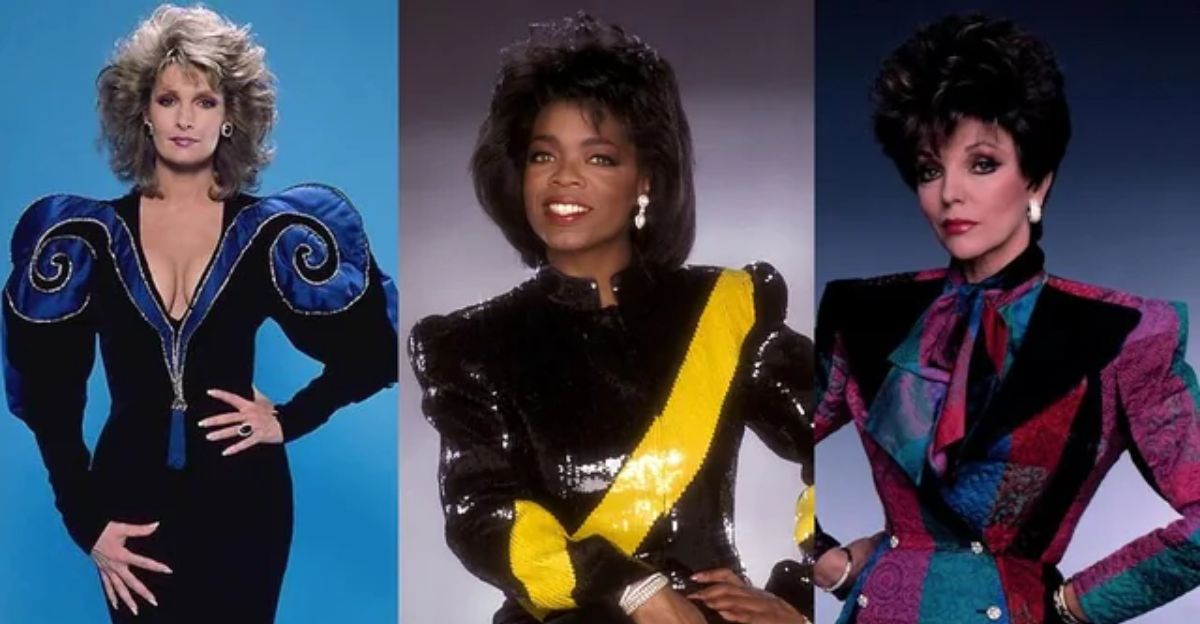
’80s hair did more than frame faces, it broadcast attitude. From big curls to sharp mullets, the decade’s most memorable cuts still shape how you think about volume, texture, and edge. Today’s revivals prove that the styles that once defined that era now guide how you update your own look.
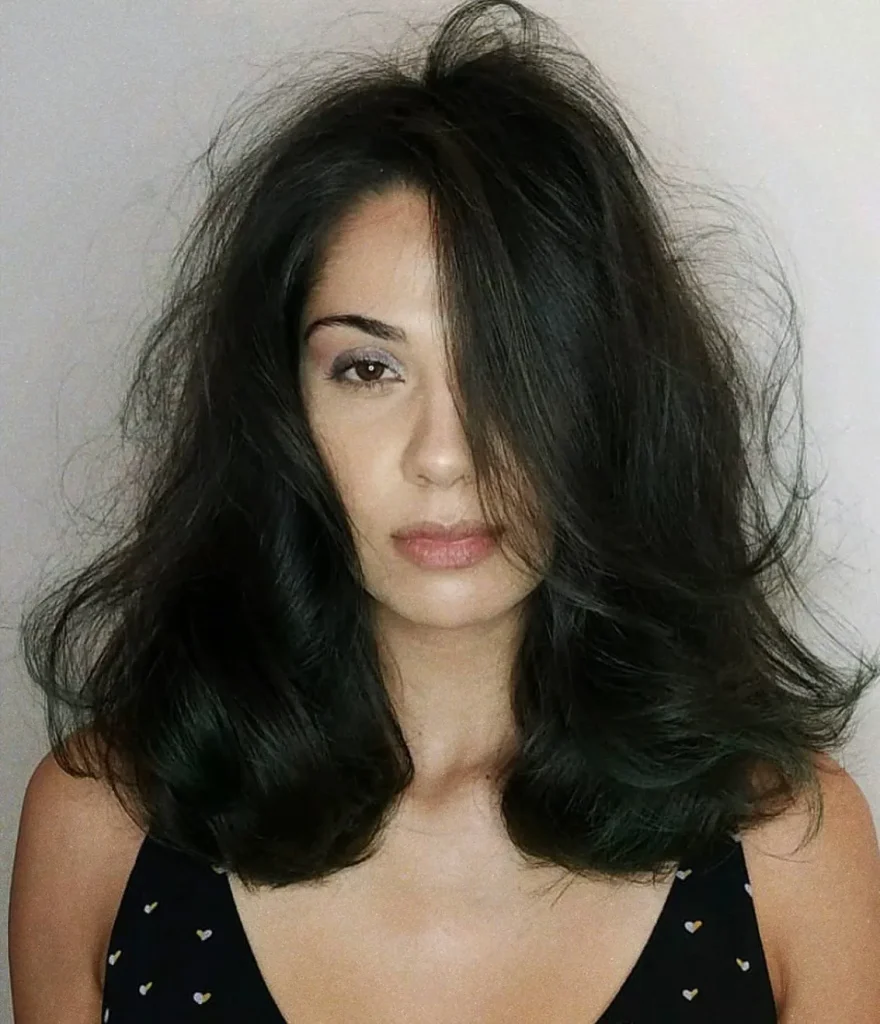
1) The ’80s hairstyles that are “back in a big way” — grounding the influence of ’80s hair in the L’Officiel USA report
The ’80s hairstyles that are “back in a big way” show how powerfully the decade still directs modern taste. A feature on revived ’80s hair trends highlights how cuts like the mullet and full, curly hair have moved from nostalgia to everyday inspiration. When a style returns this visibly, it signals that its original impact went beyond a passing fad and helped define what bold, expressive hair can look like.
For you, that influence matters because it validates experimenting with shape and volume instead of defaulting to safe, flat styling. The same silhouettes that once dominated music videos and red carpets now appear in salon mood boards and social feeds, giving you permission to lean into bigger curls, stronger layers, and more dramatic outlines. The fact that these looks are “back in a big way” confirms that the ’80s set a template for statement hair that still feels relevant.
2) Outdated to on‑trend again — using Real Simple to show how ’80s looks cycle back
Outdated to on-trend again is the arc that keeps ’80s hair in constant rotation. A piece on vintage hairstyles that are suddenly cool again shows how cuts once dismissed as relics are now recast as stylish references. That shift proves that the decade’s defining shapes never really disappeared, they simply waited for a new generation to reinterpret them with fresher styling and products.
When you see a formerly “dated” fringe or layered cut reappear on runways and in street style, you are watching that cycle in real time. The stakes are practical as well as aesthetic, because it means you can revisit older photos or family albums for inspiration instead of starting from scratch. By understanding that trends move from rejection to revival, you can spot which ’80s details, like strong bangs or rounded layers, are poised to feel current again.
3) The long mullet — centered on FashionBeans’ “Long Mullet Hairstyles: Unlocking Classic Style Elegance”
The long mullet stands out as one of the most recognizable ’80s silhouettes, and its endurance shows how a once-controversial cut can gain new respect. A guide to long mullet hairstyles frames the look as a source of “classic style elegance,” emphasizing its structured front and elongated back. That framing underlines how the mullet’s proportions, which dominated the decade, now read as deliberate design rather than a punchline.
For you, the long mullet’s comeback illustrates how the ’80s pushed boundaries on gender, length, and texture in ways that still feel modern. The cut lets you keep polish around the face while experimenting with movement and length at the back, a balance that suits both conservative and more adventurous wardrobes. Its evolution from polarizing to “classic” shows how deeply the ’80s reshaped ideas of what a fashionable haircut can be.
4) ’80s hair “made modern” — drawing from Allure’s “10 Totally ‘80s Hairstyles Made Modern for 2023”
’80s hair “made modern” proves that the decade’s influence is not about costume, it is about adaptation. A feature on ’80s hairstyles updated for 2023 focuses on taking familiar shapes and refining them with current techniques. Instead of copying every exaggerated detail, stylists keep the core attitude, then soften lines, tweak proportions, or adjust texture so the result fits contemporary wardrobes and workplaces.
When you translate a high-volume ’80s curl pattern into a more defined, product-driven finish, or turn a stiff side part into a looser version, you are following that same logic. The stakes are clear, you get the confidence and drama that made ’80s hair iconic without feeling like you are in a throwback costume. This modernizing process shows how deeply those original styles shaped the visual language of hair, giving you a toolkit you can keep updating.
5) Major comebacks — evidence from “These ’80s Hairstyles Are Having a Major Comeback”
Major comebacks are the clearest sign that certain ’80s cuts never lost their cultural grip. A report on ’80s hairstyles having a major comeback highlights how specific looks have surged back into everyday wear. When a style is described as having a “major” return, it signals that it is not just a niche trend but a broad shift in what feels aspirational and stylish.
For you, that resurgence means the same hair that once defined music videos, club scenes, and teen movies now shapes how people present themselves in offices, on dates, and on social media. The comeback language underscores that these cuts were central to the decade’s identity, and their return helps you understand which elements, like bold volume or graphic layering, are worth revisiting if you want your hair to feel both nostalgic and current.
6) The mullet as a defining ’80s cut — supported jointly by L’Officiel USA and FashionBeans
The mullet as a defining ’80s cut becomes even clearer when you see it spotlighted across multiple trend reports. One feature on ’80s hair trends singles out the mullet alongside curly hair, while a separate deep dive into long mullet styling treats it as a classic in its own right. That repeated attention shows how the cut’s short-front, long-back structure became shorthand for the decade’s rebellious, rule-breaking energy.
When you consider adopting a mullet-inspired shape today, you are tapping into that same willingness to challenge neat, uniform silhouettes. The style’s presence in both high-fashion and everyday contexts proves that the ’80s did not just popularize the mullet, it turned it into a lasting symbol of individuality. That legacy explains why the cut keeps returning whenever people want hair that feels expressive, slightly subversive, and unmistakably styled.
7) From “back in a big way” to “made modern” — tracing influence across L’Officiel USA, Allure, and Who What Wear
From “back in a big way” to “made modern” and “major comeback,” the language used around ’80s hair tracks a full arc of influence. One report frames key styles as returning strongly, another shows them updated for current seasons, and a third describes them as enjoying a major comeback. Together, those perspectives confirm that the same core cuts keep resurfacing, each time slightly reworked but instantly recognizable.
For you, that continuity matters because it identifies which ’80s shapes truly shaped the decade, then kept shaping everything that followed. When a style can be revived, modernized, and still spark a comeback, it has moved from trend to canon. Understanding that progression helps you choose haircuts with staying power, ones that can evolve with you instead of feeling dated after a single season.
8) Vintage and comeback narratives — the cyclical power of ’80s hair in Real Simple and Who What Wear
Vintage and comeback narratives reveal how ’80s hair moves through time rather than staying locked in the past. A look at outdated styles that feel cool again and another on major hairstyle comebacks both show the same pattern, rejection followed by rediscovery. That cycle is especially visible with ’80s looks, which were once mocked for excess but now read as confident and expressive.
Women who embraced big hair in that decade used volume as a form of expression, a point captured in an Instagram reflection on how women embraced big hair to mirror a culture of confidence, glamour, and excess. When you revisit those shapes today, you are not just copying a trend, you are tapping into that history of self-expression. Recognizing this cyclical power helps you see ’80s hair as a living influence that continues to shape how you use your own style to be seen.
More from Vinyl and Velvet:

Leave a Reply