

Holiday tables in the 1950s were all about comfort, abundance, and a sense of occasion that matched the era’s love of polished presentation. You saw dishes that felt grand enough for a stately home yet familiar enough for a suburban dining room, echoing the kind of seasonal spectacle you now find in historic estates. Thinking about those spreads today helps you recreate the warm, unforgettable mood that defined midcentury celebrations.
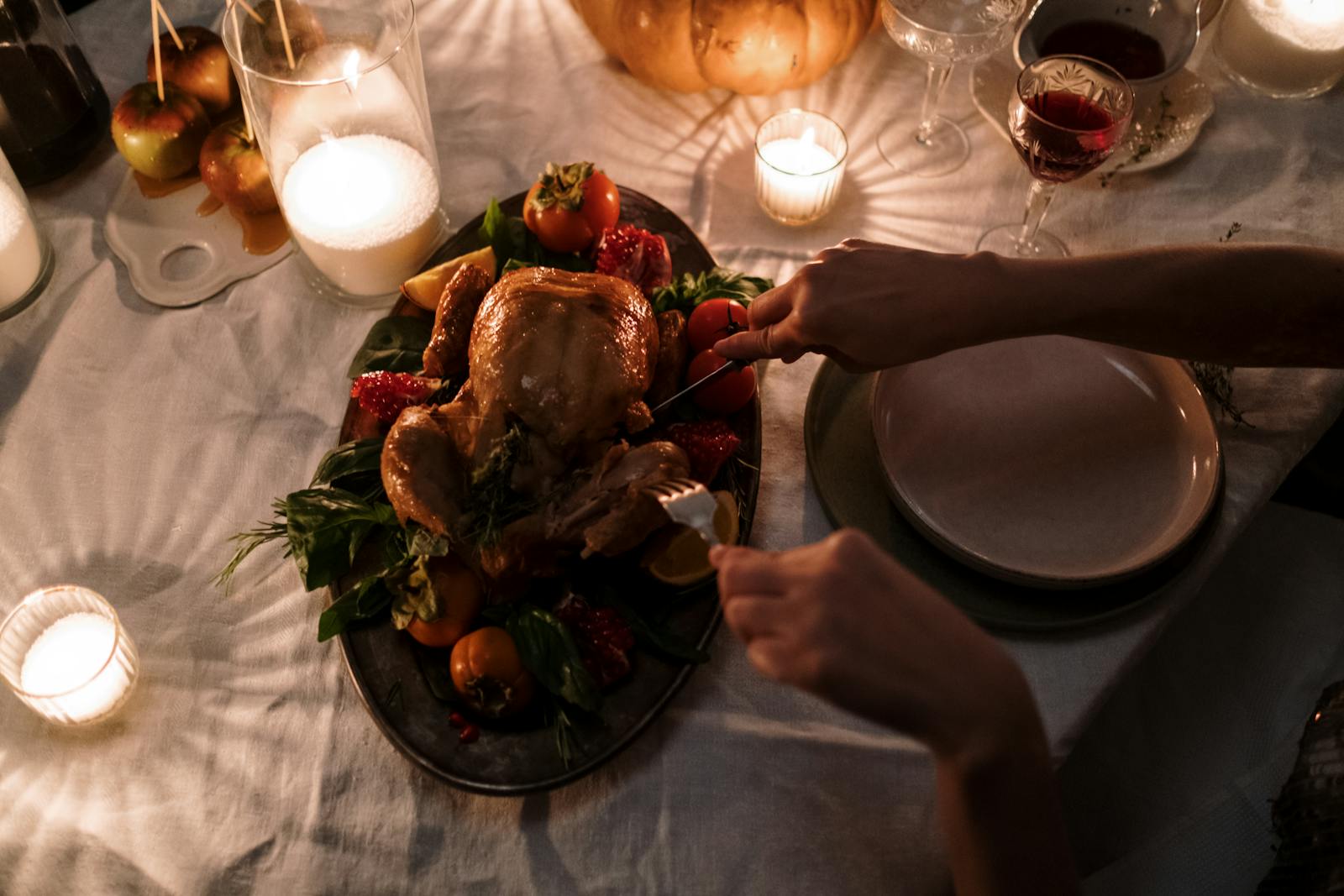
1) Roast Turkey With Crisp Skin
Roast turkey anchored many 1950s holiday dinners, a centerpiece that matched the era’s appetite for ceremony and tradition. The bird arrived at the table whole, often on a silver-toned platter, mirroring the kind of formal service you still see in historic houses that open for seasonal tours. In that decade, you were expected to master basting and timing so the skin turned golden and crisp while the meat stayed moist, a standard that made the main course feel worthy of the year’s biggest gathering.
This focus on a showpiece roast also reflected broader postwar prosperity, when families invested in larger ovens and better cookware to host more ambitious meals. A well-roasted turkey signaled that you could feed a crowd and still keep the table elegant, a balance that remains central to holiday entertaining. The visual drama of carving at the table, with everyone watching, helped fix the flavor and the moment in memory.
2) Sage and Onion Bread Stuffing
Sage and onion bread stuffing turned the turkey into a complete experience, filling the kitchen with a savory aroma that guests associated instantly with the holidays. In the 1950s, you likely used day-old white sandwich bread, dried slightly, then mixed with sautéed onions, celery, and plenty of rubbed sage. That combination felt both thrifty and indulgent, transforming simple pantry ingredients into something that tasted special enough for the year’s most important meal.
Stuffing also reflected how home cooks in that era leaned on familiar, repeatable formulas to feed larger families. You could stretch a single turkey by packing it with bread and herbs, then serving generous spoonfuls alongside the meat. The dish’s soft texture and mild flavor made it a favorite for all ages, reinforcing the idea that holiday food should be comforting first and impressive second, a principle that still shapes how you plan big seasonal menus.
3) Molded Gelatin Salads
Molded gelatin salads captured the 1950s fascination with modern convenience and eye-catching presentation. You often saw ring molds or towering shapes filled with canned fruit, marshmallows, or even shredded vegetables, all set in brightly colored gelatin. These dishes echoed the decorative flair you now notice in elaborately dressed historic interiors, where every detail is meant to delight the eye as much as serve a practical purpose.
For hosts, gelatin salads were a way to showcase new refrigeration and packaged products while still appearing meticulous and creative. You could prepare them a day ahead, freeing the oven for roasts and casseroles, yet they arrived at the table looking like sculpted centerpieces. That mix of practicality and spectacle helped cement them as a holiday staple, and remembering them today highlights how midcentury entertaining prized both efficiency and visual drama.
4) Green Bean Casserole With Crispy Onions
Green bean casserole, typically made with canned green beans, condensed mushroom soup, and fried onions, became a 1950s holiday classic because it fit perfectly into the era’s casserole culture. The dish relied on shelf-stable ingredients that home cooks trusted, then topped them with a crunchy layer that felt festive and indulgent. Its creamy texture and mild flavor made it a reliable side that could sit on a buffet without losing appeal.
The casserole also reflected a broader shift toward recipes that promised consistent results with minimal fuss, a priority for hosts juggling multiple dishes. You could assemble it in advance, then bake it alongside the turkey, which streamlined timing in busy kitchens. That reliability helped it earn a permanent place on holiday tables, illustrating how midcentury food trends favored dishes that balanced convenience with a sense of occasion.
5) Candied Sweet Potatoes With Marshmallows
Candied sweet potatoes topped with toasted marshmallows delivered the kind of sugary richness that made 1950s holiday meals feel like a once-a-year indulgence. The base of sliced or mashed sweet potatoes, baked with brown sugar and butter, created a dessert-like side that blurred the line between savory and sweet. Crowning it with marshmallows that browned under the broiler added a theatrical touch when the dish emerged from the oven.
This combination also spoke to the decade’s enthusiasm for processed ingredients that promised fun and novelty. Using packaged marshmallows signaled that you embraced modern products while still honoring a traditional vegetable side. The result was a dish that children remembered vividly and adults associated with celebratory excess, reinforcing the idea that holiday food in the 1950s was meant to feel generous, playful, and slightly over the top.
6) Glazed Holiday Ham
Glazed ham offered an alternative or companion to turkey, especially in households that hosted multiple gatherings across the season. In the 1950s, you often saw a whole or half ham scored in a diamond pattern, studded with cloves, and brushed with a sugary glaze made from brown sugar, pineapple juice, or cola. The glossy finish and decorative touches made it look at home in the kind of grand dining rooms you now tour in historic holiday houses.
Ham’s practicality also mattered, since leftovers could be sliced for sandwiches or breakfast dishes in the days after the feast. That versatility appealed to midcentury families who wanted their holiday investment to stretch beyond a single meal. Serving both ham and turkey signaled abundance and hospitality, reinforcing the 1950s ideal that a memorable holiday table should look and feel plentiful from every angle.
7) Ambrosia and Fruit Cocktail Salads
Ambrosia and fruit cocktail salads brought a tropical note to 1950s holiday spreads, reflecting the era’s curiosity about flavors from beyond the mainland. These dishes typically combined canned pineapple, mandarin oranges, cherries, and sometimes coconut, folded with whipped cream or sour cream. The result was a pastel, cloudlike bowl that contrasted with heavier roasts and casseroles while still feeling indulgent.
Using canned fruit allowed home cooks to serve bright, sweet flavors even in winter, a luxury that earlier generations lacked. The salads also showcased how midcentury marketing encouraged you to see pantry staples as building blocks for festive creations. Their presence on the table signaled that you embraced new products and ideas, and for guests, the creamy sweetness offered a refreshing counterpoint that helped balance the richness of the rest of the meal.
8) Bûche de Noël and Decorated Layer Cakes
Bûche de Noël and elaborately decorated layer cakes gave 1950s holiday desserts a sense of European flair and bakery-level polish. A classic bûche de Noël, shaped like a log and frosted to resemble bark, turned a simple sponge cake and buttercream into a conversation piece. At the same time, tall layer cakes covered in piped borders, tinted coconut “snow,” or spun sugar reflected the decade’s enthusiasm for home baking as a creative outlet.
These desserts also underscored how important visual storytelling was to midcentury celebrations. Ending the meal with a cake that looked as impressive as it tasted reinforced the idea that holidays were about more than food, they were about shared spectacle. When you recreate these cakes today, you tap into that same impulse to turn dessert into a centerpiece, ensuring the final course lingers in memory as vividly as the first bite of turkey.

Leave a Reply