

If you grew up in the 1970s, the stuff that once cluttered your childhood home might now be quietly gaining value. Collectors are paying serious money for certain everyday items from that decade, turning old toys, décor, and even appliances into unexpected windfalls. By knowing which pieces are in demand, you can sort your attic with a sharper eye and decide what to keep, what to sell, and what to stop giving away for free.
1) Vintage 1970s board games
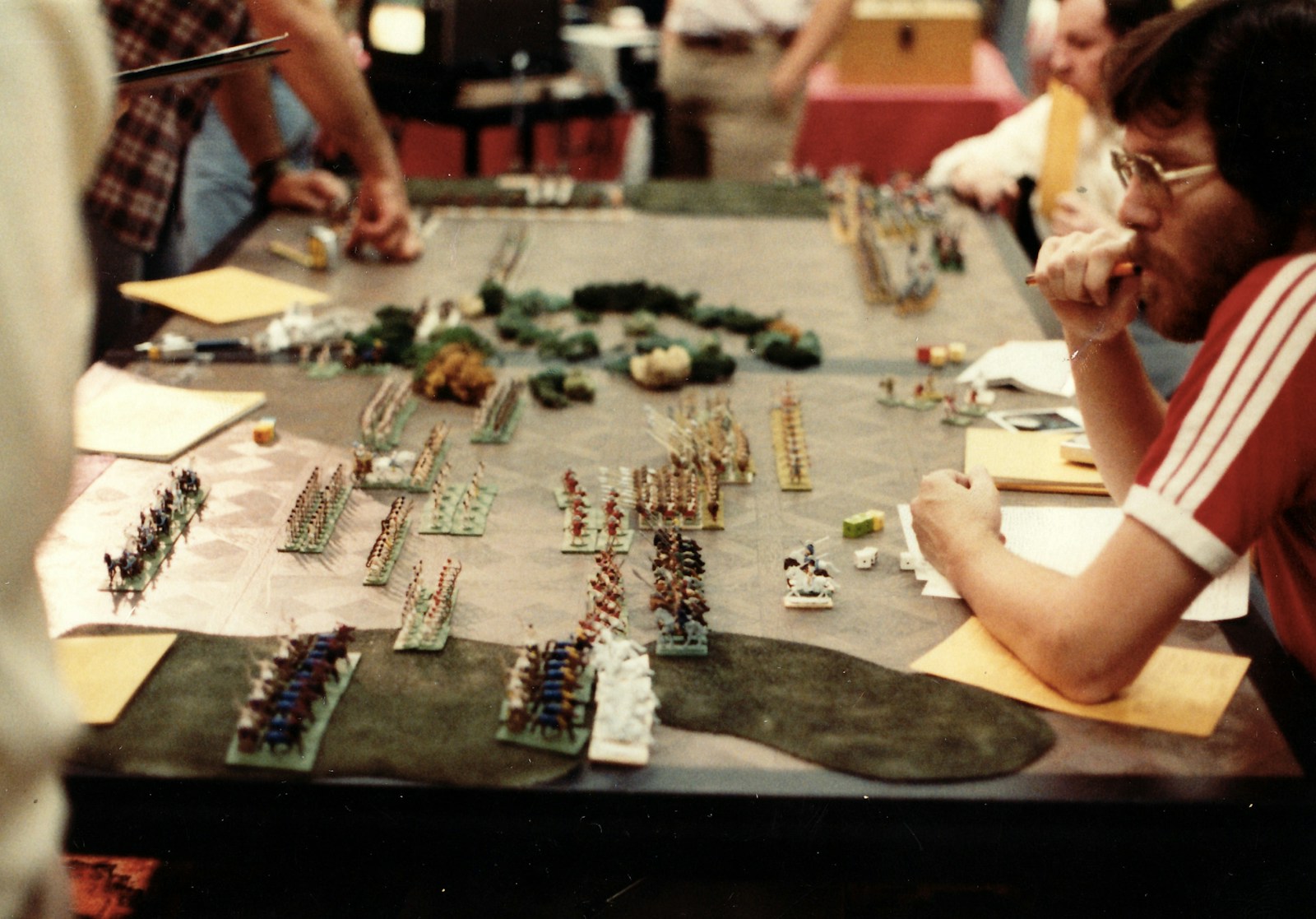
Vintage 1970s board games are no longer just rainy-day entertainment, they are now a focused collecting category. Condition is everything, so complete sets with original inserts, score pads, and unpunched cardboard pieces can bring far more than casual players expect. Collectors who already chase 1980s toys and games, a trend highlighted in coverage of rising values for retro items, often expand backward into 1970s titles from the same brands. That crossover interest helps push prices higher for well-preserved examples.
For you, the stakes are simple: a dusty copy of a 1970s strategy or TV tie-in game could be worth significantly more than a modern reissue. Limited regional releases, controversial themes, or artwork that was later changed tend to attract the strongest bids. Before donating old games, you should check for complete components, look up recent sale prices, and photograph any unusual artwork or logos. Even common titles can surprise you when they are in near-mint condition with bright boxes and clean playing surfaces.
2) 1970s Pyrex and patterned kitchenware
1970s Pyrex and patterned kitchenware have shifted from everyday cookware to display pieces that collectors hunt by pattern name and colorway. Stacking mixing bowls, casserole dishes with lids, and refrigerator sets in avocado, harvest gold, and mushroom motifs are especially sought after. Detailed guides to valuable 1970s collectibles consistently single out kitchen items because they combine nostalgia with practical use. Sets that survived without chips, dishwasher fade, or missing lids can command a premium compared with single, worn pieces.
This demand matters if you are decluttering cabinets or clearing out a relative’s estate. Instead of treating old Pyrex as thrift-store fodder, you should evaluate pattern names, check for matching sets, and photograph back stamps. Collectors often pay more for complete nesting sets and rare promotional designs that were only available for a short time. Even if you decide to keep them, understanding their market value can influence how carefully you store and use them going forward.
3) Midcentury stereo consoles and turntables
Midcentury stereo consoles and 1970s turntables are another category where everyday gear has become a status collectible. Large wood consoles that once anchored living rooms, along with standalone record players from recognizable audio brands, now appeal to both audiophiles and décor-focused buyers. Coverage of household items from the 1970s worth thousands underscores how original electronics in working order can bring serious money. Units with intact speakers, functioning radios, and smooth turntable mechanisms are especially attractive.
For sellers, the key is not to plug in and hope for the best, but to document condition and originality. Many buyers prefer unmodified components, even if they need servicing, over heavily altered systems. Cosmetic details such as intact veneer, original knobs, and matching dust covers can significantly affect price. If you are short on space, you might choose to sell a bulky console and keep a smaller turntable, using the proceeds to fund a modern system while still honoring your vinyl collection.
4) 1970s classic cars in survivor condition
1970s classic cars in honest, “survivor” condition are increasingly recognized as smart buys, especially as some models remain relatively affordable compared with 1960s icons. Enthusiast coverage of beautiful 1970s cars that are still inexpensive highlights how certain coupes, sedans, and personal luxury models have lagged behind the broader collector-car boom. That gap creates room for appreciation when you find low-mileage examples with original paint, interiors, and drivetrains.
If you have a long-stored 1970s car, the implications are significant. What once felt like an outdated family vehicle might now be a desirable entry point for new collectors priced out of earlier muscle cars. Documentation such as service records, window stickers, and original manuals can add value. Before scrapping or heavily modifying a 1970s car, you should research recent auction results and consult marque-specific forums to understand whether originality could be worth more than customization.
5) Retro 1970s barware and cocktail sets
Retro 1970s barware and cocktail sets, from smoky glass tumblers to chrome ice buckets, have surged alongside the renewed interest in home entertaining. Complete sets of rocks glasses, decanters, and matching trays in bold geometric or metallic designs are especially appealing. Guides to 1970s household items that fell out of everyday use often mention bar carts and drinkware as relics of a different social era, yet collectors now seek them out to recreate that look.
For you, that means the old bar set tucked in a cabinet could be more than a novelty. Pieces with intact gold rims, etched logos, or original packaging tend to command higher prices. Even single statement items, such as sculptural ice buckets or cocktail shakers, can sell well as décor accents. When sorting through inherited glassware, separate coordinated sets, check for chips, and photograph distinctive patterns so you can compare them with recent online listings before deciding whether to sell or keep them.
6) 1970s lamps and space-age lighting
1970s lamps and space-age lighting fixtures, including globe pendants, mushroom lamps, and chrome arc floor lamps, have become focal points in vintage-inspired interiors. Their sculptural shapes and warm diffused light fit neatly into contemporary design trends that favor statement pieces over minimalism. While some guides to household items you can sell for cash focus on general décor, 1970s lighting stands out because it is both functional and visually distinctive.
From a value perspective, original finishes, working wiring, and intact shades are crucial. Rewiring for safety is common, but heavy repainting or replacement parts can reduce appeal for purist collectors. If you are renovating, consider selling vintage fixtures instead of discarding them, especially if they feature colored glass, smoked acrylic, or recognizable designer labels. Even unmarked pieces can perform well when they photograph beautifully and capture that unmistakable 1970s futuristic style.
7) 1970s toys and character lunch boxes
1970s toys and character lunch boxes, especially those tied to television shows and movies, have moved from playground staples to display-worthy collectibles. Metal lunch boxes with matching thermoses, action figures with original accessories, and boxed playsets are particularly prized. Coverage of yard sale finds that can be worth a fortune frequently points to vintage toys as sleeper hits that sellers undervalue.
For families clearing out storage bins, the stakes are clear: tossing or donating old toys without checking specifics can mean leaving money on the table. Condition, rarity, and cultural relevance all matter, so scuffed but complete items tied to enduring franchises often outperform pristine but obscure characters. Before you let kids play roughly with inherited toys, consider setting aside any boxed or unusually detailed pieces. A quick comparison with recent online sales can help you decide whether to cash in or keep them as nostalgic décor.
8) 1970s Tupperware and plastic storage sets
1970s Tupperware and plastic storage sets, once a fixture of home parties and packed lunches, now attract collectors who appreciate their colors, shapes, and durability. Stacking canisters, divided lunch trays, and pitcher-and-tumbler sets in harvest tones are especially recognizable. While many people assume plastic is disposable, guides to vintage everyday items gaining value show how branded household goods can develop strong resale markets when nostalgia kicks in.
For you, that means the old container set in the pantry might be worth more than a modern replacement. Pieces with tight-fitting lids, unfaded logos, and matching sets tend to sell best, particularly if they include original paperwork or party brochures. When decluttering, separate 1970s-era items by color and style, then research specific pattern names before donating. Even if you decide to keep them for daily use, recognizing their value can change how you treat and store these once-ordinary kitchen staples.
More from Vinyl and Velvet:

Leave a Reply