

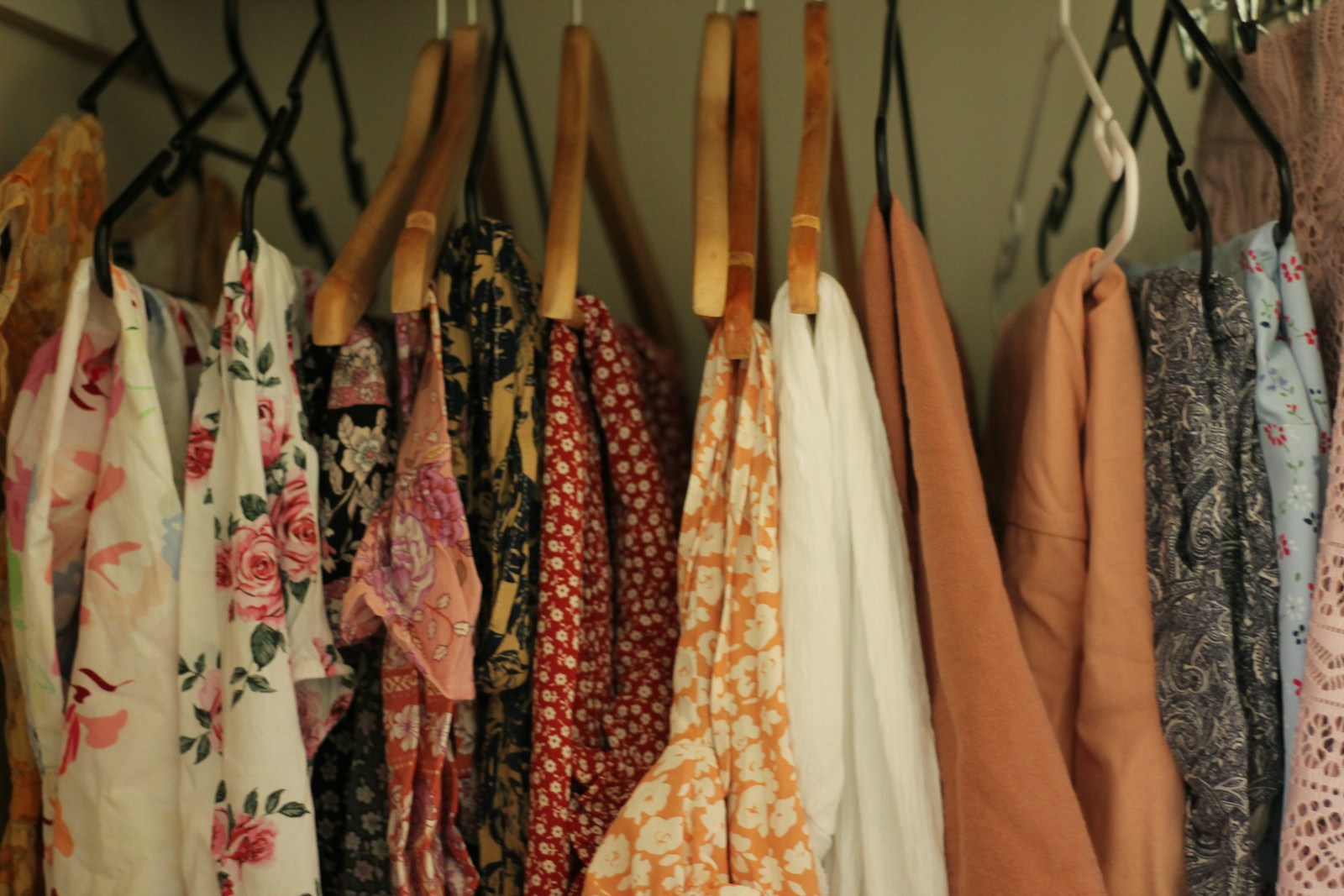
For a teenager in the 1960s, the right clothes were a passport into a rapidly changing world. From daring hemlines to trippy prints, each must-have piece signaled where you stood on youth culture, rebellion, and style. These eight clothing items capture what every ’60s girl wanted hanging in her closet, and why each one still shapes how you dress today.
1) Miniskirt
The miniskirt exploded into fashion in 1965 when designer Mary Quant hiked hemlines to mid-thigh, a move that Vogue’s 1966 Swinging Sixties coverage framed as a bold symbol of youthful rebellion in London. Quant’s tiny skirt did more than shock parents, it visually separated teenagers and young women from the prim, below-the-knee silhouettes of the 1950s. The cut was simple, but the message was not, a bare leg became shorthand for independence, sexual freedom, and a refusal to dress like your mother.
Later analysis of the trend describes how the miniskirt marked a major moment of democratization in fashion, with Mary Quant’s design celebrated as “a breath of fresh air” that mixed exuberance with a punch of rebellion. For girls, that meant you could buy an affordable, radically modern piece and instantly look part of the London scene, even if you lived in a small town. The stakes were cultural as much as aesthetic, wearing a miniskirt aligned you with a new, youth-led power bloc in style and society.
2) Go-Go Boots
Go-go boots became essential the moment Nancy Sinatra stepped out in them for her 1966 hit “These Boots Are Made for Walkin’.” In photos and performances, Sinatra’s white leather, knee-high boots turned a simple outfit into a mod uniform, and a 1967 feature on her look cemented that specific boot as the era’s footwear of choice. The boots’ sleek, almost futuristic shape contrasted with their playful vibe, making them perfect for dancing in clubs or on television variety shows.
For ’60s girls, those white, knee-high go-go boots promised instant star power, they echoed the confident swagger of Sinatra’s lyrics and choreography. The boots also signaled a shift toward fashion that worked with shorter skirts and dresses, visually lengthening the leg and emphasizing movement. In a decade obsessed with music and nightlife, owning a pair meant you were ready for the discotheque, plugged into the same mod energy that was reshaping both pop culture and street style.
3) Shift Dress
The shift dress, as designed by Hubert de Givenchy for Audrey Hepburn in 1961’s “Breakfast at Tiffany’s,” offered a very different kind of aspiration. According to a 1962 retrospective, Givenchy’s simple, collarless silhouette distilled early ’60s elegance into a single garment. The dress skimmed the body instead of cinching it, creating a clean line that looked modern yet refined, especially when paired with Hepburn’s gloves and pearls.
Teenagers and young women gravitated to shift dresses because they delivered sophistication without the stiffness of older, structured tailoring. The absence of a defined waist made the style comfortable and easy to move in, while still reading as polished enough for school, work, or a night out. In a decade when women were entering offices and universities in greater numbers, the shift dress quietly supported that social shift, offering a uniform that matched new ambitions without sacrificing style.
4) A-Line Skirt
The A-line skirt, revived by Christian Dior in his 1955 collection, reached its peak in the 1960s when teenagers adapted it into everyday wear. A 1964 analysis of teen trends described how the skirt flared gently from the waist to knee-length, forming a clean triangular shape that balanced structure with ease. That geometry is exactly what later guides define as the classic A-line, with the silhouette widening from the bust or waist in a controlled sweep.
Because it was flattering on many body types and easy to pair with sweaters or blouses, the A-line quickly became a staple for school, dates, and family events. Fashion writers trace the modern understanding of the shape back to Dior’s mid‑1950s work, a lineage echoed in an A-line guide that credits his 1955 designs. For ’60s girls, that meant you could tap into high-fashion heritage while still looking fresh and youthful, a key bridge between couture and the growing ready-to-wear market.
5) Op Art Dress
Op art dresses brought gallery walls straight into the wardrobe, using bold geometric prints to create optical illusions on fabric. Designers drew direct inspiration from Bridget Riley’s 1960s artworks, whose vibrating lines and contrasting shapes seemed to move before your eyes. A 1965 feature on psychedelic style noted how fashion houses such as Emilio Pucci translated those visual tricks into wearable patterns, turning the body into a canvas for kinetic art.
For young women, slipping into an op art dress was a way to participate in the decade’s fascination with perception, psychedelia, and new media. The prints looked especially striking under club lights or in black‑and‑white photography, making them ideal for parties and band gigs. These dresses also signaled a shift toward clothing that did not just decorate the body but actively played with the viewer’s senses, aligning fashion with avant‑garde art and the broader countercultural questioning of reality.
6) Bell-Bottom Pants
Bell-bottom pants emerged in 1966 among London’s mod subculture, then quickly crossed the Atlantic through American youth scenes. A 1968 profile of counterculture wardrobes documented how the trousers widened dramatically at the ankles, creating a flared shape that swayed with every step. Initially associated with musicians and club kids, the style soon filtered into mainstream closets as a rebellious alternative to straight‑leg slacks.
For ’60s girls, bell-bottoms offered freedom of movement and a visual break from the prim pencil pants of earlier years. The exaggerated flare worked with flat shoes or stacked heels, and the silhouette paired easily with everything from striped turtlenecks to fringed vests. As rock festivals and protest marches became central youth spaces, bell-bottoms turned into a uniform that signaled solidarity with a broader counterculture, making them as political as they were fashionable.
7) Space Age Metallic Outfit
Space age metallic outfits captured the decade’s obsession with rockets, satellites, and the future. Designer Paco Rabanne pushed this idea to its extreme in his 1966 Paris show “12 Unwearable Dresses,” where he used silver lame and vinyl to construct stark, sculptural pieces. A 1967 fashion review described how these materials, combined with minimal ornamentation, created a look of futuristic minimalism that felt more like armor than traditional clothing.
Girls who chased this trend might not have worn Rabanne originals, but they eagerly adopted silver mini-dresses, vinyl coats, and metallic accessories inspired by his runway experiments. These pieces promised a kind of sci‑fi glamour, suggesting that the modern woman belonged in the control room as much as in the kitchen. In the context of the space race and rapid technological change, wearing metallics signaled that you were looking ahead, aligning your style with the promise of a high‑tech tomorrow.
8) Granny Dress
The granny dress flipped the script on modernity by reaching back to Victorian influences, yet it became a late‑’60s must‑have within the hippie movement. Long, high‑necked silhouettes in floral prints and lace echoed antique gowns, but a 1969 feature on bohemian revival showed how icons like Janis Joplin made them feel radical. Onstage and off, Joplin’s loose, ruffled dresses contrasted sharply with the body‑skimming mod looks that had dominated earlier in the decade.
For young women drawn to counterculture ideals, the granny dress offered comfort, modesty, and a visible rejection of mainstream fashion cycles. The vintage‑inspired details suggested a connection to pre‑industrial, handcrafted traditions, aligning with broader hippie interests in folk music, communal living, and anti‑consumerism. By choosing a dress that looked like it came from another century, ’60s girls could quietly protest mass‑produced modernity while still making a strong, instantly recognizable style statement.

Leave a Reply