

Autism is finally getting the kind of visibility that goes beyond medical definitions and into real, lived stories. A growing number of actors, musicians, writers, and TV personalities are talking openly about their diagnoses, showing that life on the spectrum is not a limitation but one part of who they are. Their candor is reshaping how audiences think about autism, from red carpets to Instagram captions.
Their experiences are wildly different, but they share a common thread: using public platforms to make it easier for the next autistic kid, teen, or adult to recognize themselves and feel less alone. From legendary performers to rising Gen Z stars, these ten well known names are helping move the conversation from stigma to understanding.
Anthony Hopkins: A legendary actor reframing late diagnosis
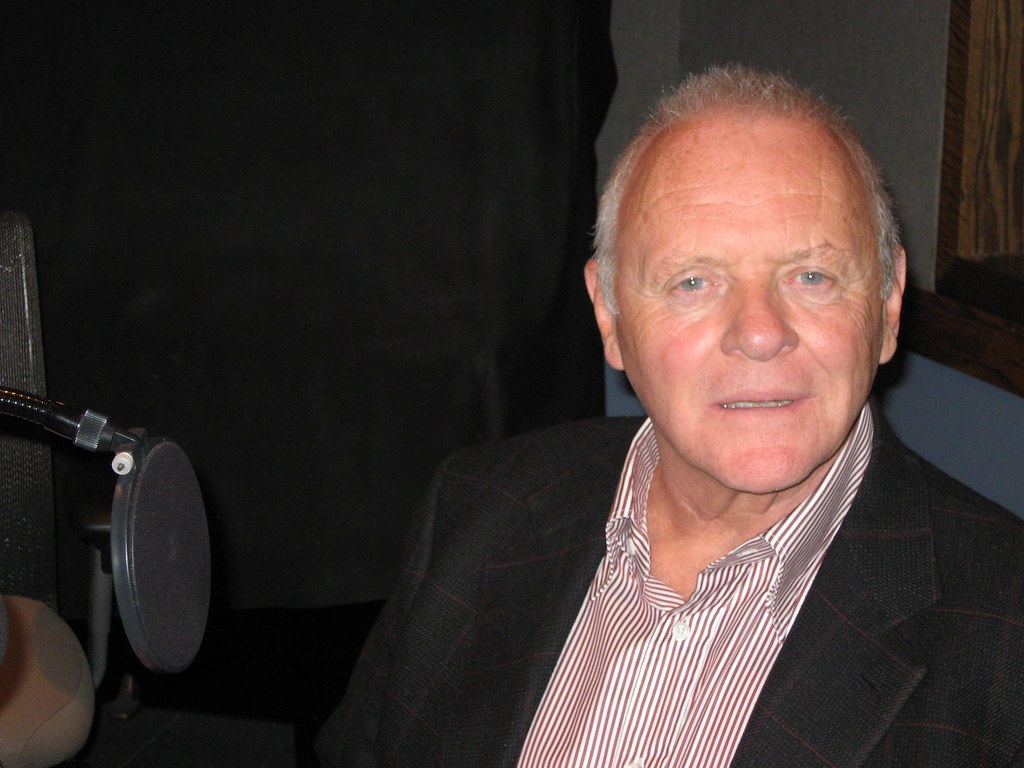
When people picture Sir Anthony Hopkins, they usually think of a meticulous performer who disappears into roles, not a child navigating Asperger Syndrome. Yet reporting notes that the award winning Actor was diagnosed with Asperger as a child, long before autism spectrum disorder became a mainstream term. That detail reframes his famously intense focus and precise mannerisms, traits that fans have admired for decades, as part of a broader neurodivergent profile rather than quirks of an eccentric genius.
Hopkins has spoken about how his mind tends to lock onto details and routines, something that lines up with what clinicians once grouped under Asperger Syndrome. Accounts describing Anthony Hopkins emphasize that some of the traits often pathologized in autistic kids, like intense concentration or unusual social style, can also underpin extraordinary creative careers. His openness gives older adults who suspect they might be on the spectrum a powerful example of how a late understood diagnosis can bring clarity without rewriting a lifetime of achievement.
Susan Boyle: Reality TV fame and a new understanding of self
When Susan Boyle walked onto the Britain’s Got Talent stage, expectations were low and the reaction to her voice was instant shock. Long after that viral audition, she shared that she had been diagnosed with autism, specifically Asperger, as an adult, which helped her make sense of why crowds and sudden fame felt so overwhelming. Coverage of her story notes that Susan Boyle is a singer who rose to fame after appearing as a contestant on Britain, Got Talent, and that she has described the diagnosis as a relief rather than a label.
She has talked about being bullied as a child and misunderstood as an adult, only to realize later that autism explained many of those experiences. Boyle has said that after learning she was on the spectrum, she felt “a bit more relaxed” about herself, a small but telling phrase that shows how self knowledge can ease decades of self doubt. Profiles of She underline how a woman who was once dismissed for her appearance has become a touchpoint for late diagnosed autistic adults, especially women whose traits were overlooked for years.
Dan Aykroyd: Comedy, ghosts, and special interests
Comedic actor Dan Aykroyd has never exactly blended into the background, and his autism story helps explain why. Reports on famous autistic figures point out that Dan Aykroyd was expelled from two schools as a child and was later diagnosed with Asperger, a profile that fits with his intense, sometimes offbeat energy on screen. He has linked his fascination with ghosts and law enforcement to the kind of deep dive interests that many autistic people recognize in themselves.
His work on Ghostbusters, with its obsessive detail about paranormal lore and gadgetry, looks different when filtered through that lens. Accounts of Comedic star Dan Aykroyd note that he has spoken about being on the autism spectrum and about how his Asperger Syndro traits, including fixations and sensory sensitivities, fed directly into his creativity. By connecting his diagnosis to specific projects rather than treating it as a side note, Aykroyd shows how autistic interests can power entire careers instead of being something to suppress.
Temple Grandin: From cattle chutes to cultural shift
Temple Grandin is one of the most cited names when people talk about autistic visibility, and for good reason. She transformed the livestock industry by redesigning cattle handling systems to reduce animal stress, using her own sensory experiences to imagine how animals might feel in cramped, noisy spaces. A profile of Autism Who Inspire notes that she became one of the most widely recognized autistic advocates, turning what others saw as limitations into a professional superpower.
Her influence goes far beyond ranches and slaughterhouses. Grandin has written and spoken extensively about visual thinking, sensory overload, and the need for practical supports instead of pity. Coverage that groups her among Ten Famous People with autism emphasizes how her career helped shift public perception from “autism as tragedy” to “autism as a different way of processing the world.” For many families, her story is the first time they see an autistic adult not only living independently but reshaping an entire industry.
Wentworth Miller: Quiet disclosure from a cult TV favorite
Wentworth Miller, best known as the tattooed mastermind in Prison Break, chose a low key way to share his autism diagnosis. Instead of a press conference or talk show reveal, he wrote about it in a reflective social media post, explaining that he had been diagnosed in adulthood after years of wondering why social situations felt so draining. Reporting identifies Wentworth Miller as an American and British actor known for his role in Prison Break, and notes that he framed his diagnosis as both clarifying and complex.
Miller has been careful to say that his experience is just one version of autism, not a template for everyone. Accounts of American, British star Wentworth Miller highlight that he used his announcement to push for better representation of autistic people who do not fit stereotypes, including those who mask heavily or are diagnosed later in life. For fans who grew up watching him break out of fictional prisons, his real life story is about breaking out of a different kind of box, the one that says autism always looks a certain way.
Bella Ramsey: Gen Z visibility on and off screen
Bella Ramsey, who plays Ellie in The Last of Us, has become one of the most visible young actors to talk about autism. She revealed that she was diagnosed while filming the series, describing how the news helped her understand long standing feelings about social interaction and sensory overload. Coverage of Celebs with autism notes that Bella Ramsey shared the diagnosis in March 2025 and connected it directly to her experience on set.
Her openness matters in part because of the character she plays. The Last of Us is a global hit, and Ramsey’s performance has been praised for its emotional nuance and intensity, traits that some autistic viewers see as reflecting their own inner lives. Reports on Bella Ramsey underline that she has framed autism as a core part of who she is rather than a problem to fix. For Gen Z audiences used to talking about mental health and neurodiversity online, her story fits into a broader shift toward naming differences without apology.
Tallulah Willis: A candid Instagram moment that landed big
Actress Tallulah Willis did not announce her autism diagnosis in a glossy magazine spread. Instead, she mentioned it almost casually in an Instagram caption, paired with a video that showed her stimming while interacting with her dog. That low key reveal in March 2024 resonated precisely because it felt so unfiltered, a glimpse of everyday autistic joy rather than a dramatic confession. Coverage of Tallulah Willis notes that she described the diagnosis as something that “changed my life,” a simple phrase that carries a lot of weight.
Her story also intersects with public conversations about family, given her parents’ fame and her openness about mental health and addiction. Reports that spotlight Actress Tallulah Willis emphasize how she uses Instagram to normalize autistic traits like repetitive movements and sensory seeking, instead of editing them out. For followers who are used to seeing heavily curated celebrity feeds, her willingness to show those moments without shame sends a quiet but powerful message about acceptance.
Chris Packham: Nature TV and unapologetic advocacy
In the United Kingdom, Chris Packham is a familiar face to anyone who watches nature documentaries, and he has used that platform to talk frankly about being autistic. Described as a well known British naturalist and television presenter, he has explained how his intense focus on wildlife and patterns in nature fits with his experience on the spectrum. A widely shared post about Chris Packham highlights that he has spoken openly about being on the autism spectrum and often tags his advocacy with phrases like #DifferentNotLess and #AutisticPride.
Packham has also been blunt about the challenges, including sensory overload and social exhaustion, especially in the high pressure world of television. Posts that thank these high profile celebs for sharing their autism journey point out that the British presenter uses his story to push for better support for autistic children and adults. By tying his love of wildlife to his neurodivergence, he offers a different kind of role model, one rooted in science, conservation, and unapologetic difference.
Why these stories matter: Breaking stereotypes and building community
What links Anthony Hopkins, Susan Boyle, Dan Aykroyd, Temple Grandin, Wentworth Miller, Bella Ramsey, Tallulah Willis, and Chris Packham is not a single “autism look” but the exact opposite. Their lives cut across age, gender, nationality, and profession, underlining what autism specialists keep repeating: there is no one way to be autistic. Guides that ask Which public figures with autism have spoken about their condition stress that visibility helps challenge outdated stereotypes, like the idea that all autistic people are male tech savants or non speaking children.
Advocacy focused roundups of Famous Faces Who autism diagnosis point out that when celebrities talk about sensory overload, masking, or special interests, they give language to experiences that many autistic people have struggled to explain. Broader explainers on Autism note that millions of people worldwide are on the spectrum, and hearing from high profile individuals can make it easier for families to seek assessment, for workplaces to consider accommodations, and for autistic people themselves to feel less like outliers. The more these stories circulate, the harder it becomes to cling to a single, narrow picture of what autism is supposed to look like.
More from Vinyl and Velvet:

Leave a Reply