

The biggest divas of the ’80s did more than rack up hits: they set the template for modern pop stardom, from image control to vocal firepower. As you revisit these icons, you can trace how their voices, visuals, and attitudes still shape everything from streaming playlists to arena tours, proving that the era’s fiercest performers never really left the stage.
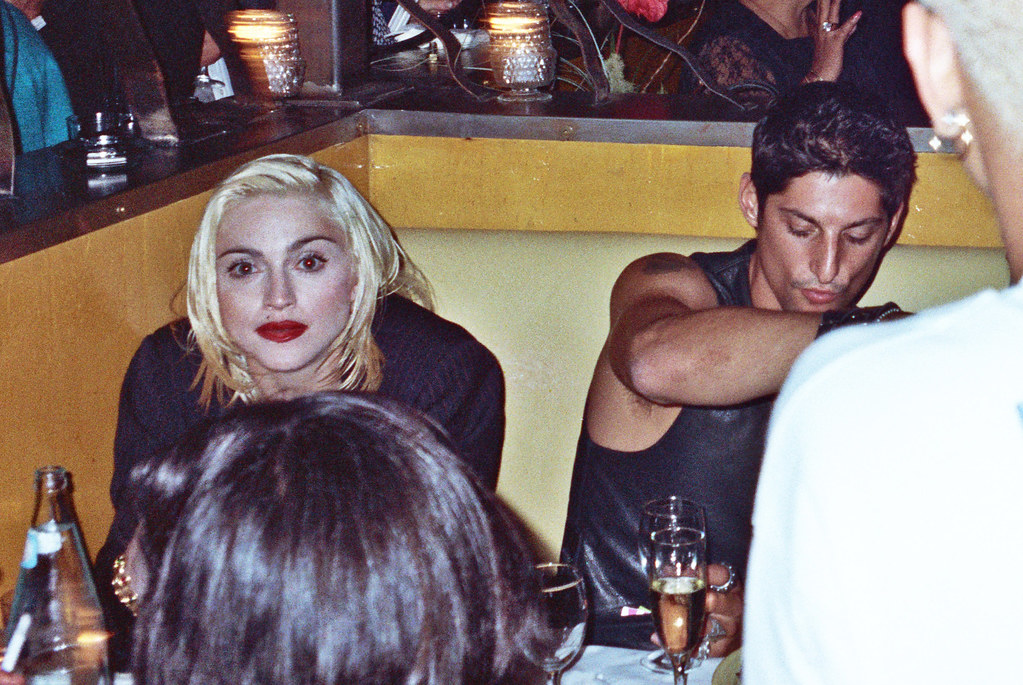
1) Madonna
Madonna is the definitive ’80s pop diva, repeatedly singled out as one of the pop divas that ruled the 1980s and later recognized among the “46 Best-Selling Female Music Artists of All Time,” where Madonna is described as “one of the biggest breakout stars of the 1980s.” Her mastery of reinvention, from lace-and-crucifixes provocation to sleek power suits, turned every album cycle into a cultural event. For you as a listener, that meant pop music was no longer just about songs, it was about a fully staged persona.
Her influence also spilled into fashion and celebrity culture, intersecting with the rise of the 80s supermodels who helped define the decade’s visual language. By treating music videos, magazine covers, and tours as one continuous performance, she set a playbook that later stars still follow. The stakes were huge: Madonna proved a woman could control her image, push boundaries, and dominate global charts on her own terms.
2) Whitney Houston
Whitney Houston brought a different kind of diva power, pairing pristine technique with emotional intensity that made her one of the standout names in 30 notable female singers of the ’80s. Her debut singles, including “You Give Good Love” and “Saving All My Love for You,” reset expectations for what a pop and R&B vocalist could do on mainstream radio. When you hear those soaring key changes and perfectly controlled belts, you are hearing a standard that later talent shows and vocal coaches still treat as a benchmark.
Her success also shifted industry priorities. Labels began hunting for the next technically flawless singer who could cross from R&B to pop without losing credibility. For younger artists, Whitney’s path showed that a Black woman with a church-trained voice could dominate global charts without diluting her sound, changing how executives thought about crossover potential and long-term careers.
3) Tina Turner
Tina Turner’s ’80s run is one of pop’s most dramatic comebacks, capped by a solo resurgence that landed her among the greatest pop divas’ debut singles. Tracks like “What’s Love Got to Do with It” and “Better Be Good to Me” introduced her to a new generation as a rock-soul powerhouse, not just a survivor of earlier industry battles. When you listen to those records, you hear a rasp and grit that cut through the glossy production dominating the decade.
Her story carried real stakes for artists trying to reclaim their narratives. Turner’s reinvention in her forties challenged ageist assumptions about who could sell records and fill arenas. For you as a fan, her success proved that a diva could be defined as much by resilience and lived experience as by youth, influencing how later icons framed their own second acts.
4) Cyndi Lauper
Cyndi Lauper turned eccentricity into a pop superpower, with “Girls Just Want to Have Fun” and “Time After Time” making her a fixture of ’80s radio and MTV. Her fearless style and elastic voice helped earn her a place among the top ’80s divas named by Yeasayer’s Anand Wilder, who highlighted how her offbeat persona still resonates with musicians. When you see neon hair, thrift-store layering, and playful rebellion in today’s pop, you are seeing echoes of Lauper’s blueprint.
Her impact went beyond fashion quirks. Lauper’s insistence on centering female joy and independence in her lyrics helped broaden what a pop anthem could say to young women. That shift mattered for listeners who wanted fun without apology, and it opened space for later artists to mix vulnerability, humor, and activism inside chart-ready hooks.
5) Janet Jackson
Janet Jackson emerged in the mid-’80s as a visionary architect of rhythm-driven pop, with tracks from her breakthrough albums later recognized among the 200 best songs of the 1980s. Her collaborations with producers Jimmy Jam and Terry Lewis fused funk, R&B, and electronic textures into tightly choreographed statements about control, pleasure, and social issues. When you watch her videos, the precision of the dancing is inseparable from the music, turning every single into a mini film.
Janet’s success shifted the stakes for female performers who wanted to command both sound and image. She showed that a woman could steer concept albums, politically charged lyrics, and arena-scale staging while still dominating pop charts. For younger artists, her model of creative authorship and intricate choreography became a roadmap for building multimedia empires.
6) Pat Benatar
Pat Benatar brought hard rock edge into the diva conversation, fronting radio-dominating anthems that later appeared in a major countdown of the biggest hits of the ’80s. Songs like “Love Is a Battlefield” and “Hit Me With Your Best Shot” paired operatic training with guitar-driven hooks, giving you a vocalist who could match any arena rocker note for note. Her videos, often centered on defiant young women, helped cement her as a symbol of toughness and vulnerability combined.
Her prominence in rock-oriented playlists, including themed sets like Pop Divas, Female Songs To Sing Your Heart Out, Let, showed programmers that female-led rock could sit comfortably alongside pure pop. For the industry, Benatar’s success challenged the idea that women belonged only in softer formats, opening doors for later rock and alternative frontwomen to claim mainstream space.
7) Cher
Cher entered the ’80s as an established star and still managed to stand out among the best female singers of the 80s, thanks to her unmistakable contralto and flair for reinvention. Hits like “If I Could Turn Back Time” showcased a voice that could cut through power ballads and rock arrangements alike. For you, that meant a diva presence that felt both familiar and newly daring, especially as she embraced bold visuals and high-drama storytelling.
Her longevity carried important implications for how the business viewed career arcs. Cher’s ability to thrive across television, film, and music in the same decade proved that a woman could juggle multiple entertainment lanes without diluting her brand. That cross-platform dominance helped normalize the idea of multimedia divas who move fluidly between screens and stages.
8) Joan Jett
Joan Jett brought punk attitude into the mainstream, earning a spot among the 8 Pop Divas who ruled the decade with unapologetic style. “I Love Rock ’n Roll” and “Bad Reputation” turned her into a symbol of rebellious cool, with leather jackets and snarling riffs that contrasted sharply with polished synth-pop. When you hear those opening chords, you are hearing a challenge to every gatekeeper who doubted women could lead rock bands.
Her songs remain staples in nostalgic collections like the 80’s Pop Divas playlist, which highlights how 80s female voices still dominate party soundtracks. For aspiring musicians, Jett’s insistence on creative control and independent releases showed that a diva could be fiercely DIY and still achieve cultural ubiquity, reshaping expectations around authenticity and commercial success.
More from Vinyl and Velvet:

Leave a Reply